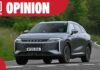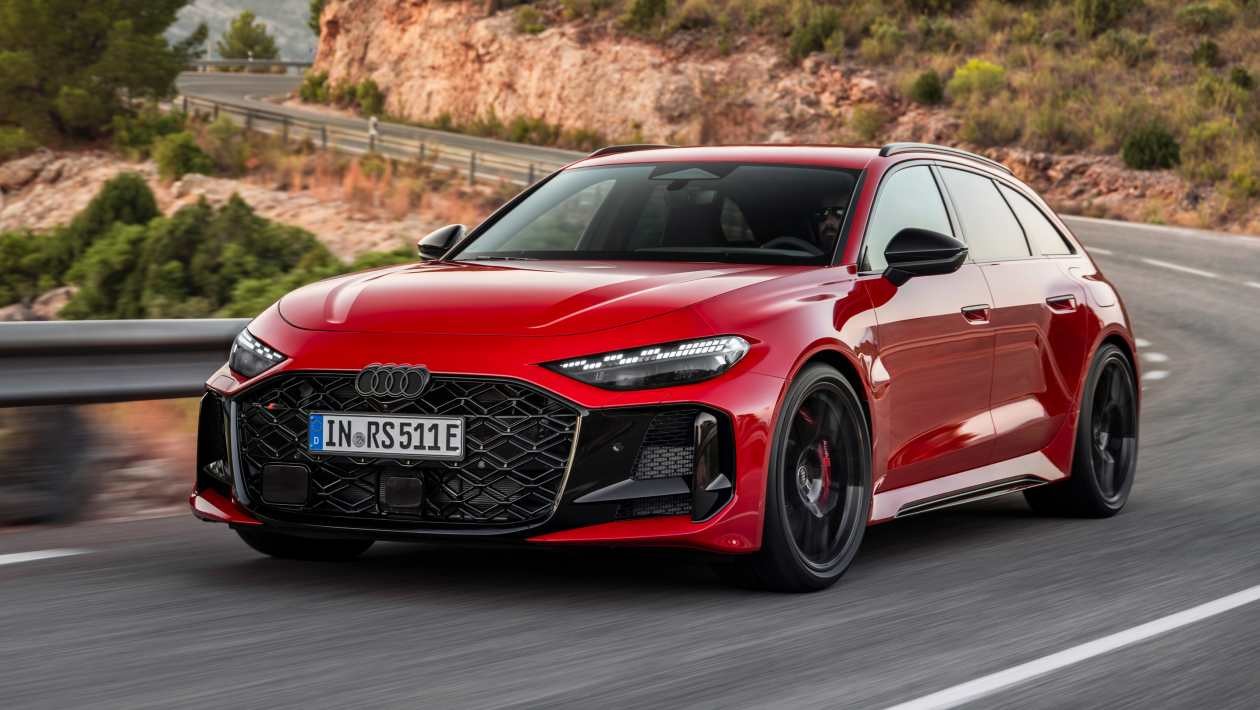
Audi has officially launched the next-generation RS 5 in the UK, replacing both the discontinued RS 4 Avant and the RS 5 Sportback. The new model arrives as a plug-in hybrid (PHEV) super saloon and estate, marking a significant shift in Audi’s high-performance strategy. Priced starting at £89,400 for the saloon and £91,300 for the Avant, the RS 5 aims to balance aggressive performance with improved efficiency and practicality.
Performance and Powertrain: More Power, Less Emissions
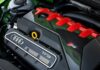
At the heart of the new RS 5 is a sophisticated plug-in hybrid system that combines a heavily updated 2.9-litre twin-turbocharged V6 engine with an electric motor and a 25.9kWh battery pack. This setup delivers a combined output of 630bhp and 825Nm of torque.
- The Engine: The V6 produces 503bhp on its own, a significant increase over the previous generation’s 444bhp. To achieve this while meeting strict Euro 7 emissions standards, Audi has implemented twin-scroll turbochargers, a new fuel injection system, and water-to-air intercoolers.
- The Electric Boost: The electric motor contributes an additional 174bhp and 460Nm, allowing for rapid acceleration and short-distance electric-only travel.
- Transmission: Power is delivered via an eight-speed Tiptronic automatic torque-converter gearbox to all four wheels. A new centre differential can split torque between the front and rear axles anywhere from 70:30 to 15:85, adapting to driving conditions in real-time.
Why this matters: Unlike some competitors that have downsized engines to meet regulations, Audi has retained the characterful V6. This decision positions the RS 5 as a more authentic sports car compared to rivals like the Mercedes-AMG C 63, which faced backlash for switching to a four-cylinder engine.
Speed and Efficiency
Despite its substantial weight—2,355kg for the saloon and 2,370kg for the Avant—the RS 5 is incredibly quick. Audi claims a 0-62mph time of just 3.6 seconds, which is 0.5 seconds faster than the previous RS 4 Avant. The top speed reaches 176mph (or 177mph with the Vorsprung trim) when equipped with the Audi Sport Package.
However, the hybrid nature of the car offers more than just speed:
* Electric Range: Up to 52 miles of pure electric driving, making it viable for daily commutes without burning fuel.
* Efficiency: Official MPG figures range from 62-74mpg, with CO2 emissions between 86-102g/km. This makes the RS 5 significantly more tax-efficient and cheaper to run than its internal combustion-only predecessors.
Design and Chassis: Built for Stability
The new RS 5 is visually distinct from its standard A5 sibling. The body is 90mm wider, with almost every exterior panel redesigned except for the bonnet, front doors, roof, and tailgate. The wider stance is necessary to house larger brakes and provide a stable platform for the high-performance drivetrain.
- Suspension: The car uses a coil-spring setup with dual-valve dampers that control rebound and compression separately. Notably, Audi has omitted air suspension, rear-axle steering, and cross-linked hydraulic dampers, relying instead on a robust, traditional mechanical setup to manage the car’s weight.
- Brakes: Standard brakes feature 420mm front and 400mm rear steel discs. For those seeking track-ready stopping power, optional carbon-ceramic brakes (costing £8,490–£8,990 ) offer 440mm front discs—the largest in any production car, shared with the Lamborghini Urus and Bentley Continental GT Speed.
Trim Levels and Pricing
Audi offers three trim levels, each adding specific aesthetic and mechanical enhancements:
- Standard RS 5 (£89,400 / £91,300): Includes matrix LED headlights, heated/ventilated/massaging sports seats, and a full-screen digital interior with passenger and head-up displays.
- Carbon Black (+£6,085): Adds 21-inch forged alloy wheels and carbon-fibre accents both inside and out.
- Vorsprung (+£18,085): The top-spec model includes the RS Sports Package (forged carbon front bumper and rear diffuser), Nappa leather seats, OLED rear lights, a panoramic sunroof with switchable transparency, and the RS Sports Exhaust. It also unlocks the 177mph top speed. A fully loaded RS 5 Avant Vorsprung costs £109,385.
Competitive Landscape: A Strategic Win for Audi?
The RS 5 enters a fragmented market. Its traditional rivals include the BMW M3, Alfa Romeo Giulia Quadrifoglio, and Mercedes-AMG C 63. However, Audi’s hybrid approach appears strategically superior in the current climate.
- Mercedes-AMG C 63: The recent switch to a four-cylinder PHEV was poorly received, leading Mercedes to cancel production of the high-performance model in favor of a less powerful mild-hybrid C 53. Audi’s retention of the V6 engine avoids this pitfall.
- BMW M3: The next-generation M3 is expected to adopt mild-hybrid technology but retain its core engine character. BMW’s recent success with the hybrid M5 suggests that buyers accept electrification if the engine character remains intact.
- Alfa Romeo: The Giulia Quadrifoglio will likely be phased out due to Euro 7 regulations, leaving a gap in the naturally aspirated or pure-ICE high-performance segment.
Key Insight: Audi has successfully navigated the transition to hybridization by prioritizing engine character and electric utility. By keeping the V6 and offering a substantial electric range, the RS 5 appeals to both performance enthusiasts and practical buyers, outmaneuvering competitors who have struggled with similar transitions.
Conclusion
The new Audi RS 5 represents a calculated evolution in high-performance luxury cars. By combining a potent V6 engine with a practical plug-in hybrid system, Audi offers a vehicle that is faster, more efficient, and more versatile than its predecessor. While the price tag is steep, the RS 5 stands out in a market where competitors are either downsizing engines or facing regulatory extinction, making it a compelling choice for buyers who refuse to compromise on power or practicality.