Steam billowing from under the hood on a sweltering highway is every driver’s nightmare. Your heart hammers. You know exactly what that means. A coolant leak has compromised your engine’s ability to regulate temperature. It’s not just an inconvenience. It’s a ticking time bomb for your head gaskets, cylinder heads, and overall mechanical integrity.
Ignoring it isn’t an option. Understanding the specific signs of antifreeze loss allows you to intervene before you’re stranded or looking at a five-figure repair bill. Here is how you spot the issue, where it’s coming from, and what you can do about it.
Spotting the Evidence: Puddles and Odors
Prevention starts with recognition. You don’t need a mechanic’s degree to notice when your vehicle is shedding fluid. The symptoms are physical, sensory, and immediate.
The Visual Clue: Colored Puddles
Look under your car. If you see a puddle, don’t ignore it. Ethylene glycol, the primary ingredient in most coolants, is rarely colorless. Depending on your vehicle’s manufacturer specifications, you might see green, orange, pink, or even yellow fluid pooling on the pavement.
If that colorful liquid appears near the front of the vehicle or beneath the engine bay, you are likely dealing with a leak. The source could be anything from a cracked radiator to a loose hose clamp. These leaks happen because rubber degrades over time or metal components suffer from corrosion. Addressing the source immediately prevents the coolant from dropping to dangerous levels.
The Olfactory Clue: Sweet Metallic Scent
Your nose is a powerful diagnostic tool. Coolant has a distinctively sweet smell, often described as slightly metallic or syrupy. This odor usually originates from the heater core. When the heater core leaks, fluid can accumulate in the plastic housing at the bottom of the dashboard assembly.
If you catch that sweet scent while driving, or notice it after turning off the engine in the garage, inspect the heater core and surrounding hoses. A leak here might not leave a puddle on the driveway immediately, but it will drain your reservoir.
The Danger Zone: Overheating and Warning Lights
When coolant levels drop, the engine loses its ability to dissipate heat. The result is overheating. This is not a gentle warning; it is a mechanical emergency.
The first indicator is your dashboard. The temperature gauge will spike into the red zone. A specific coolant warning light may also illuminate. If you push through this, the consequences are severe. Cylinder heads can warp. Engine oil can become contaminated with coolant, turning into a milky sludge that destroys bearings. You will end up stranded.
You might also hear a hissing noise. This is pressurized, boiling coolant escaping through a weak point in the radiator or hoses. Steam will follow shortly after.
Immediate Protocol for Overheating
If your engine starts to overheat, you need to act fast and correctly. Panic leads to bad decisions, like opening a hot radiator cap.
- Pull Over: Stop immediately. Find a safe spot away from traffic.
- Cool Down: Turn off the engine. Let it sit. Do not open the hood yet if you suspect significant steam; let the pressure release naturally.
- Do Not Open the Cap: Never remove the radiator cap or coolant tank cap while the engine is at boiling point. The system is pressurized. Opening it will cause scalding fluid to erupt, causing severe burns.
- Inspect Once Cool: Wait until the temperature gauge drops and the warning light extinguishes. Only then is it safe to inspect the coolant level.
- Emergency Top-Up: If you are far from an auto parts store and must keep moving, you can use distilled water. Tap water contains minerals that can clog your cooling system over time, but distilled water is safe for emergency use. It might cool the engine just enough to get you to a shop.
Monitoring Fluid Levels
Regular maintenance is your best defense against sudden failure. You should check your coolant levels consistently. Ensure the engine is cool before removing the radiator cap or the pressurized coolant tank cap.
Inspect the fluid level. If you notice a consistent drop in levels, you have a leak. Adding coolant to bring the level back up is a temporary fix, not a cure. If the level continues to drop rapidly over a few days of normal driving, you have a significant leak that requires professional repair. Driving with low coolant invites overheating, which can lead to catastrophic engine failure.
High-quality coolant and regular system checks prevent these scenarios. Don’t wait for the steam. Watch for the puddles. Trust the smell. Fix the leak before it fixes itself into a major disaster.
6 Common Causes of Coolant Leaking
You don’t want your engine running hot. It destroys performance and, eventually, the engine itself. Knowing where the fluid is going is half the battle. Here are the usual suspects for where your antifreeze is disappearing into the ether.
1. Degraded Cooling Hoses
Rubber dies. Time, heat, and pressure turn those pliable tubes into brittle shards. When a hose fails, it doesn’t just stiffen—it cracks. Coolant sprays out or drips steadily depending on the pressure. The lower radiator hose takes the biggest beating. It handles higher pressure and sits closer to the exhaust heat. If you see swelling, soft spots, or visible cracks, replace it before it bursts.
2. Leaking Heater Core
Think of the heater core as a small radiator tucked behind your dashboard. It uses hot coolant to warm your cabin air. When it leaks, the smell inside the car changes. It gets that distinct sweet scent of ethylene glycol. You might also notice foggy windows that won’t clear. Look for damp floor mats under the front passenger side. If your heat dies and the engine temp spikes, the core is likely compromised.
3. Bad Water Pump Seal
The water pump pushes coolant through the block and head. It relies on a seal to keep that fluid inside. Over thousands of miles, that seal wears out. You can often spot a failing pump by looking at the weep hole. It’s a small opening at the bottom of the pump housing. If it’s dripping antifreeze, the seal is gone. Pressure is escaping. Replacing this isn’t a quick swap. It usually means draining the system, removing belts, and often dismantling parts of the timing assembly. It’s a job for a pro.
4. Faulty Radiator Cap
The cap isn’t just a lid. It’s a pressure valve. It maintains the system’s pressure to raise the boiling point of the coolant. If the seal on the cap is bad, pressure bleeds off. Coolant boils over and spills out. Check the rating in your owner’s manual. If the cap doesn’t hold that specific pressure, swap it out. It’s cheap and easy.
5. Corroded Radiator
Old radiators rust from the inside out. Electrolysis and old fluid turn the metal porous. Eventually, a hole forms. You’ll see crusty residue or orange/brown staining on the aluminum or plastic tanks. Flushing the system regularly helps, but once corrosion sets in deep, the radiator is done. It needs replacement.
6. Blown Head Gasket
This is the nightmare scenario. The head gasket seals the combustion chambers from the coolant and oil passages. When it blows, those barriers fail. Coolant leaks into the cylinders or mixes with oil. You’ll see milky sludge under the oil cap or white smoke from the exhaust. Internal cooling capacity drops. The engine overheats fast. Driving with a blown gasket causes catastrophic engine damage. Fix it immediately.
Locating the Source of a Coolant Leak
You can’t fix what you can’t find. Visual inspection is step one. But sometimes leaks are hidden or evaporate before they hit the ground.
Cooling System Inspection
Start with your eyes. Look under the car. Fresh coolant is usually green, orange, or pink. It’s distinct from old oil or transmission fluid. Check the hoses for dampness. Inspect the water pump weep hole. Look around the radiator cap. Check the heater core area for wet carpets. Look at the valves and the head gasket area for seepage. The earlier you catch it, the less damage you do.
Pressure Test
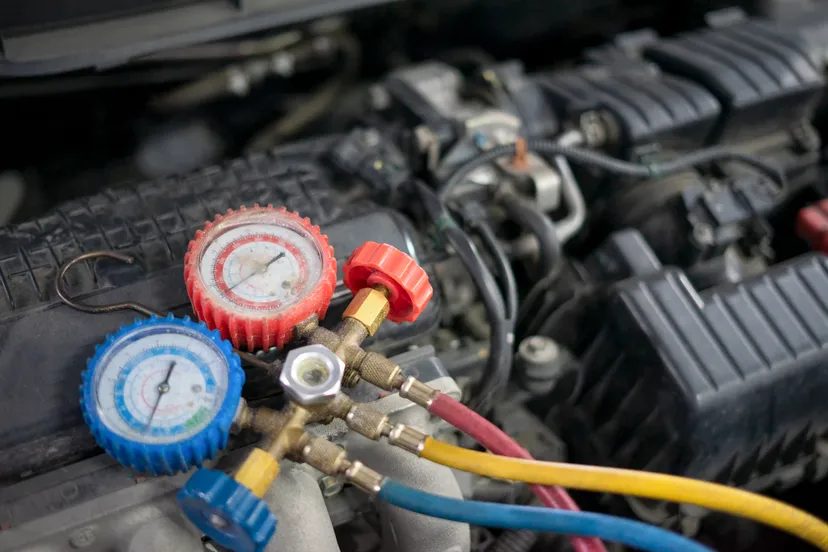
If you can’t see the leak, pressurize the system. A mechanic attaches a hand pump to the radiator neck. They pump it up to the cap’s rated pressure. If the gauge drops, there’s a leak. They then spray soapy water or use a dye to find the exact drip point. This catches slow leaks that only happen when the engine is hot and under load. If the pressure test is inconclusive, you may need a more advanced diagnostic tool. But for most leaks, this reveals the truth.
When DIY Stops and the Shop Begins
You’ve found the drip. Now what?
If it’s a loose clamp or a cracked radiator hose, you can probably wrestle with it yourself. Pop the hood. Let the engine cool completely—seriously, don’t rush this or you’ll get burned. Swap the hose. Tighten the clamp. Refill. Simple.
But internal leaks? Those are a different beast.
If coolant is disappearing into the cylinders, you’re looking at a blown head gasket or a cracked block. This isn’t a $20 parts store fix. You need a professional mechanic with a pressure tester and a combustion leak detector. Trying to DIY an internal seal is a recipe for a thrown rod and an empty wallet.
“Delaying the fix can lead to more severe consequences and costly repairs.”
If you aren’t sure where the fluid is going, walk away. Let the pros handle the diagnostics. A misdiagnosed leak turns into a seized engine faster than you can say “tow truck.”
Killing the Leak Before It Starts
Prevention is cheaper than replacement. The cooling system is a closed loop, but it doesn’t stay perfect forever. Hoses degrade. Gaskets age. Metal fatigues.
Here is the checklist to keep your engine from boiling over:
- Check levels monthly. Not just when the light comes on. Look at the reservoir. Top it off with the correct mix if it’s low.
- Visual inspection. Look at every hose. Cracks? Swelling? Hard spots? If it feels like dry plastic, it will burst. Replace it proactively.
- Pressure test. Once a year, or before summer, have a shop pressure test the system. This finds tiny weeps that no amount of eye-balling will reveal.
Consistent maintenance keeps the heat in check. It ensures the thermostat opens at the right time and the water pump keeps moving fluid. Neglect that, and you’re playing Russian roulette with your head gasket.
This article was created in conjunction with AI technology, then fact-checked and edited by a HowStuffWorks editor.