你几乎没有注意到它,直到湿度飙升并且窗户起雾。 然后,突然之间,对清凉空气的追求就成了你唯一的想法。 但是,将热量从机舱中排出的机器是一个令人惊讶的复杂的物理和工程舞蹈。 那么,空调在汽车中是如何工作的呢?
这不是魔法。 这是热力学。 自 20 世纪 30 年代末以来,它一直在为驾驶员带来凉爽,早在它成为每辆通勤轿车的标准功能之前。
酷的历史
帕卡德不仅发明了汽车空调,还发明了空调。 他们迫使业界关注。 1939年,他们引入了该系统。 到 1940 年,他们成为第一家将其作为工厂安装选项提供的制造商。 以现代标准来看,它并不漂亮。 没有恒温器来调节温度。 你打开了它,或者没有。 但对于在钢铁和玻璃箱子里闷热的司机来说,这是一个启示。
这项技术开始流行。 一开始很慢,然后很快。 到 1969 年,超过一半的新车出厂时都配备了内置空调。它从豪华附加设施变成了基本期望。
A nice environment costs money
This convenience comes at a hidden price. Industry has relied on R-12, also known as CFC-12 or Freon, for decades. This is very effective. It is very stable. This has a devastating effect on the ozone layer.
Chlorofluorocarbons (CFCs) absorb ozone molecules from the upper atmosphere. If the damage is confirmed, the related regulations will apply. The production of R-12 was banned in the United States. Automakers need to change direction.
They switched to R-134a (HFC-134a). It is safer for the ozone layer and is approved for use in all vehicles manufactured after 1996. However, R-134a is not a perfect solution. It is still a powerful greenhouse gas.
The Environmental Protection Agency (EPA) has seen the writing on the wall. The company started the phased introduction of the new refrigerant R-1234yf (HFO-1234yf) in 2012. The difference is obvious. R-134a has a global warming potential (GWP) of 1430. R-1234yf? GWP is only 4.
By 2022, 97% of new cars in the US will use R-1234yf. The conversion is complete. The industry has moved from modern comfort chemicals to chemicals that aim to minimize the comfort footprint.
散热机制
那么,仪表板内到底发生了什么?
汽车的空调系统控制压力和温度,迫使制冷剂改变状态。 它在液体和气体之间移动。 这种相变就是冷却发生的地方。
这是循环:
- 压缩: 压缩机泵送制冷剂,从而提高其压力和温度。
- 冷凝: 热高压气体移动到冷凝器(通常位于汽车前部)。 气流将其冷却并转动
高压侧如何将热量散发出去
循环并不在压缩机处结束。 它是一个闭合回路,但有两种截然不同的特性:高压和低压。 了解边界在哪里可以解释为什么空调在夏天会吹冷风,而在冬天如果出现故障就会结冰。
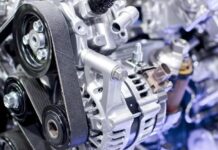
从压缩机开始。 它是操作的核心,由连接到发动机曲轴的皮带驱动。 你听到引擎发出呜呜声吗? 这就是压缩机的作用。 它以低压气体形式吸入制冷剂并将其泵出。 问题是:压缩机讨厌液体。 他们只能压缩气体。 如果液体进入那里,您就会发现泵已损坏。 因此,气体被挤压、加压并推向冷凝器。
这将我们带到了冷凝器。 它位于前面,格栅后面。 它看起来像一个散热器,因为它基本上就是一个散热器。 它的工作是排出热量。 制冷剂从压缩机到达时是热的并加压的。 流经这些扭曲管的空气将其冷却。 气体凝结成高压液体。 想象一下蒸汽变回水。 它很热,压力很大,而且已经准备好工作了。
在液体进入下一阶段之前,它会经过储液干燥器。 该储存器含有干燥剂颗粒。 你知道鞋盒里那些“禁止食用”的小包装吗? 同样的想法。 它们从系统中吸出水。 水是敌人。 如果水分留在管路中,当压力下降时它会冻结成冰晶。 这些晶体会堵塞阀门和损伤金属。 储液干燥器保持系统干燥。
压力下降:从高压到低压
The fluid reaches the thermal expansion valve (TXV). This is the point of no return. The system moves from the high pressure side to the low pressure side. When you touch this line, you will feel a dramatic temperature change. Go from hot to cold in an instant.
High pressure fluid flows through the TXV. This valve restricts the flow and allows the refrigerant to expand. The pressure drops. The liquid is now supercooled at low pressure. This valve senses pressure and adjusts flow to maintain stability. Moving parts wear out. If they fail, the AC stops working.
Not all vehicles use TXV. Some use orifice tubes. This is a simple fixed size hole. There are no moving parts. Allows the refrigerant to flow at a constant rate. What are the disadvantages? Over time, it becomes clogged with debris. Systems equipped with 节流管 do not allow smooth flow control. Control the cooling by switching the compressor on and off. Less efficient, but cheaper to build.
蒸发器:魔法发生的地方
压缩机、冷凝器和阀门位于发动车厢内,而蒸发器则隐藏在车厢内。 通常位于乘客侧脚部空间上方。 它看起来像一个小散热器。 但它不是将热量散发出去,而是吸收热量。
低压液态制冷剂进入盘管。 理想情况下,温度约为 32°F (0°C)。 这就是为什么将水排除在系统之外如此重要。 制冷剂的沸点非常低。 车厢内的热量足以使其沸腾。 它从液体变成气体。 相变需要能量。 它从吹过翅片的空气中窃取热量。
风扇将空气推过冷盘管。 空气出来是冷的。 气体带着热量离开蒸发器。 它返回压缩机以再次开始循环。
如果您的汽车使用节流管,则蒸发器和压缩机之间有一个蓄能器。 为什么? 因为节流管可能会将过多的制冷剂倒入蒸发器中。 并不是所有的东西都沸腾了。 压缩机不能处理液体。 蓄能器捕获多余的液体。 它确保只有气体到达压缩机。
蒸发器还可以对机舱进行除湿。 空气中的水分在冷盘管上凝结。 污垢和花粉也会被困住。 你停车时看到车底有水滴吗? 这就是凝结。 这很正常。 这意味着 AC 正在履行其职责。
Why car air conditioners break down and what has changed
You may be wondering why your air conditioner isn’t blowing cold air. It is usually a refrigerant leak. Repair Pal says this is the most common cause. There are leaks in gaskets, hoses and connectors. Cooling stops when the pressure drops.
The system itself is also developing. Older cars use R-12, also known as CFC-12 or Freon. It works very well. But it destroys the ozone layer. The United States banned its production. This is not just an American problem, but a global problem.
Since 1996, all new cars in the United States have used R-134a (HFC-134a). Does not destroy the ozone layer. Although it is still a greenhouse gas, it is not an ozone depleting agent. If you are 维修1996年之前的车辆, you should be careful with 回收R-12. It simply cannot be added. The equipment is different. The pressure is different.
The core components – compressor, condenser and evaporator – remain unchanged. The liquid changes. The rules change. Not so in physics.
Is it worth repairing? It depends on the situation of the leak. Small leaks are inexpensive. 大型部件 like condensers and evaporators can cost more than your car is worth. But understanding the cycle can help you diagnose it before you pay the mechanic. Check your belt. Check if the compressor is working. Feel the air coming in through the vents. If it’s lukewarm, something is wrong.
This system is powerful, but not indestructible. 压缩机承受冲击. The condenser hit the road debris. 蒸发器 is clogged with pollen. 请保持维护. Replace the cabin air filter. Keeps the airflow clean without affecting the refrigerant. If the air smells musty, you need to clean the 蒸发器芯.
There is a reason why modern cars have dual-zone air conditioning. The evaporator is responsible for cooling. The heater core is responsible for heating. They are separate loops. Mixing is ineffective. This is why you feel cold air when you turn off the air conditioner in winter. The heater core is hot. The air has not mixed properly.
エアコンを理解するのにエンジニアである必要はありません。 ループだけ覚えておいてください。 コンプレッサーの絞り。 コンデンサーの冷却。 膨張弁は圧力を下げます。 蒸発器は熱を吸収します。 繰り返す。 一部の部品が故障すると、全体が停止してしまいます。 これは単純だが残酷なエンジニアリングだ。 100度の暑さでも快適に過ごせます。