Audi’s leadership is exploring the possibility of developing a high-end, capable off-road vehicle – but only if it makes financial sense, according to CEO Gernot Döllner. The move would fill a gap in the luxury market, where rugged SUVs like the Mercedes-Benz G-Class and Land Rover Defender have seen strong demand, but it hinges on leveraging existing platforms rather than costly new development.
The Challenge: A Body-on-Frame Platform
The core issue is infrastructure. Audi needs a suitable body-on-frame platform to compete effectively in this segment. For years, the Volkswagen Group has lacked a direct equivalent to the G-Class or Defender. While the Amarok pickup exists, it’s not positioned as a luxury off-roader, and the latest generation shares its architecture with the Ford Ranger – a less prestigious foundation.
Leveraging the Scout Brand
The most logical path forward may lie with VW Group’s newly revived Scout brand. Scout Motors is set to launch the Terra pickup and Traveler SUV in 2024, both built on a dedicated body-on-frame architecture. These vehicles, potentially offering a range-extending gasoline engine, could provide the hardware Audi needs without substantial new investment. This strategy aligns with industry trends where automakers increasingly share platforms to reduce costs and streamline production.
Past Exploration: The Q6 E-Tron Offroad Concept
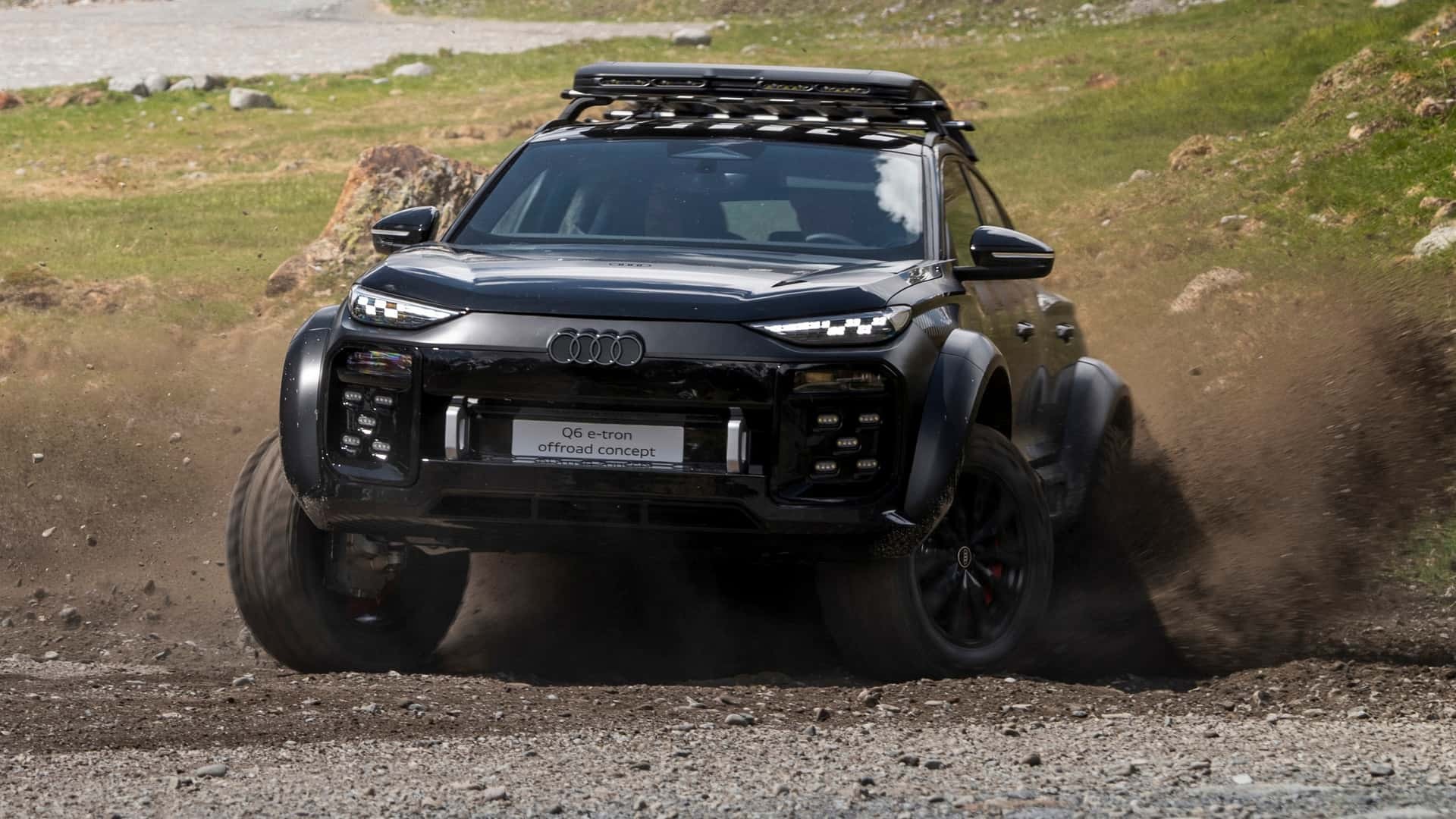
Audi previously hinted at off-road ambitions with the Q6 E-Tron Offroad concept, which featured portal axles. However, that concept used the Premium Platform Electric (PPE), a unibody setup unsuitable for serious off-roading. Döllner has explicitly stated that any production model would require a traditional ladder-frame chassis.
Timing and Expectations
Even if approved, an Audi off-roader is unlikely to arrive before 2030. The company currently prioritizes other SUV projects, including the upcoming Q9 (a three-row competitor to the BMW X7 and Mercedes-Benz GLS) and the next-generation Q7. This suggests that the off-road project remains a distant possibility rather than an immediate priority.
The Rationale Behind the Interest
Despite the delays, the idea isn’t entirely far-fetched. Audi’s heritage with the Quattro all-wheel-drive system lends itself well to rugged vehicles. The luxury off-road segment has exploded in recent years, and a high-riding Audi model could tap into that demand – potentially at a higher price point than Scout’s offerings.
Ultimately, Audi’s move depends on the success of the Scout revival and whether the VW Group sees enough potential to justify the investment. The project is still in its early stages, but the possibility remains open if a viable platform exists and market conditions align.