For years, the Audi SQ5 has occupied a specific “sweet spot” in the automotive market. It is designed for drivers who crave performance but prefer a more composed, less theatrical approach than the aggressive branding of BMW’s M division or Mercedes-Benz’s AMG line.
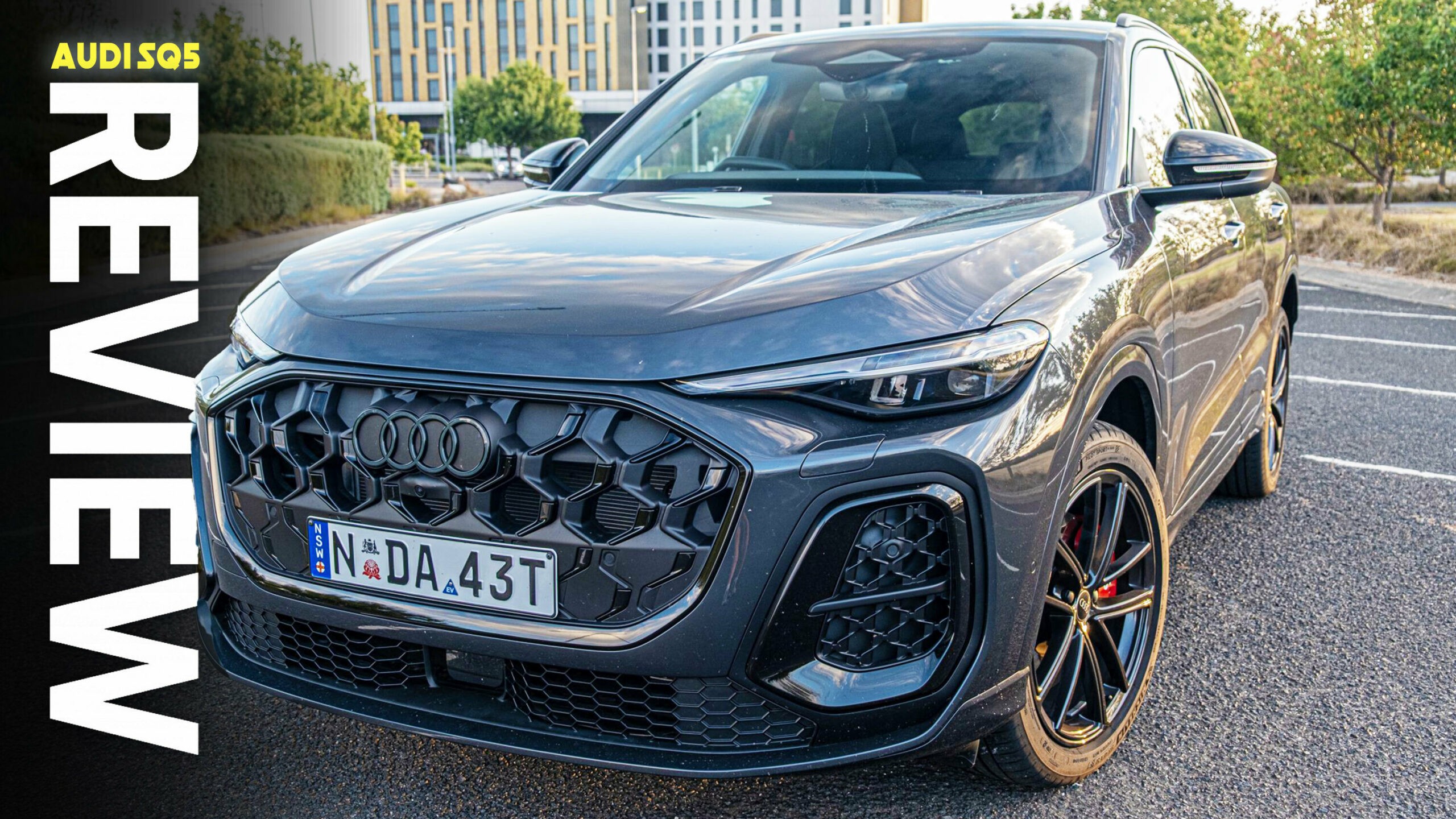
The newly released third-generation SQ5 continues this tradition, offering a potent mild-hybrid powertrain and sharp handling. However, a recurring theme in modern automotive design has emerged here: as manufacturers pivot toward massive digital displays, the tactile, premium feel of the cabin often takes a backseat. The 2026 SQ5 is a masterclass in driving dynamics, yet it struggles to maintain the interior luxury one expects at this price point.
Competitive Pricing and the “Edition One” Strategy
In the Australian market, Audi is using a strategic entry point to introduce the new model. The SQ5 Edition One is positioned as a more accessible version of the performance SUV, priced from AU$106,400.
While this “cut-price” version removes certain premium touches—such as the 21-inch wheels, Bang & Olufsen audio system, and massage seats—it remains highly competitive. To put this in perspective:
– Audi SQ5 Edition One: From AU$106,400
– BMW X3 M50: From AU$129,600
– Mercedes-AMG GLC43: From AU$136,900
By offering a high-performance V6 at a lower threshold, Audi is making a direct play for buyers who want substance without the premium tax associated with its German rivals.
The Interior Paradox: Digital Brilliance vs. Material Decline
The cabin of the SQ5 is a study in contradictions. On one hand, the technology is industry-leading. The dashboard features a curved interface housing an 11.9-inch digital instrument cluster and a 14.5-inch infotainment screen. Running on the Android Automotive operating system, the interface is snappy, intuitive, and supports seamless wireless integration for Apple CarPlay and Android Auto.
On the other hand, the physical quality of the cabin tells a different story.
“The quality of Audi’s interiors has taken a backward step in recent years. There is too much piano black, too much cheap plastic, and too many hard, scratchy surfaces.”
This reflects a wider trend in the industry where “digital luxury” (large screens and software) is being prioritized over “material luxury” (high-grade leathers and soft-touch plastics). While the new S-branded sports seats offer excellent bolstering and comfort, the overall environment can feel less prestigious than previous generations of the Q5.
Performance: A V6 That Delivers
Where the SQ5 truly justifies its its existence is under the hood. Built on the new Premium Platform Combustion (PPC architecture, the SQ5 utilizes a 3.0-liter turbocharged V6 paired with a 18 kW mild-hybrid electric motor.
Key Performance Specs:
– Power: 270 kW (362 hp)
– Torque: 550 Nm (406 lb-ft)
– Acceleration: 0–100 km/h in 4.5 seconds
The driving experience is surprisingly engaging. Despite the SUV’s size, the throttle response is sharp, aided by the electric motor which helps mask turbo lag. One standout feature is the exhaust note; unlike the more subdued S5 sedan, the SQ5 has been tuned to provide satisfying cracks and pops in its sportier modes, adding a layer of mechanical excitement.
The handling is precise, thanks to a quick steering rack and Michelin Pilot Sport 4 SUV tires. While the standard passive dampers provide a reassuringly stiff ride through corners, buyers can opt for an adaptive air suspension (AU$3,800) to better balance sporty agility with long-distance comfort.
Practicality and Technology Hurdles
For families, the SQ5 offers respectable utility, with a cargo capacity of 520 liters (expanding to 1,473 liters with seats folded). However, potential buyers should note that rear headroom is somewhat limited, which may impact taller passengers.
The vehicle’s safety technology also presents some frustrations. While it includes essential features like adaptive cruise control and lane departure warnings, two significant issues were noted:
1. Lack of Lane-Centering: In the Australian market, the absence of lane-centering technology is a notable omission for a vehicle in this price bracket.
2. Sensor Glitches: The adaptive cruise control occasionally struggled with lane logic, sometimes erroneously locking onto vehicles in adjacent lanes rather than the car directly ahead.
Summary
The 2026 Audi SQ5 is a driver’s SUV that manages to be both a spirited performer and a comfortable daily commuter. While the interior materials may feel a step below the vehicle’s price tag, the sheer mechanical joy of the V6 powertrain makes it a compelling choice for those who prioritize the drive over the decor.