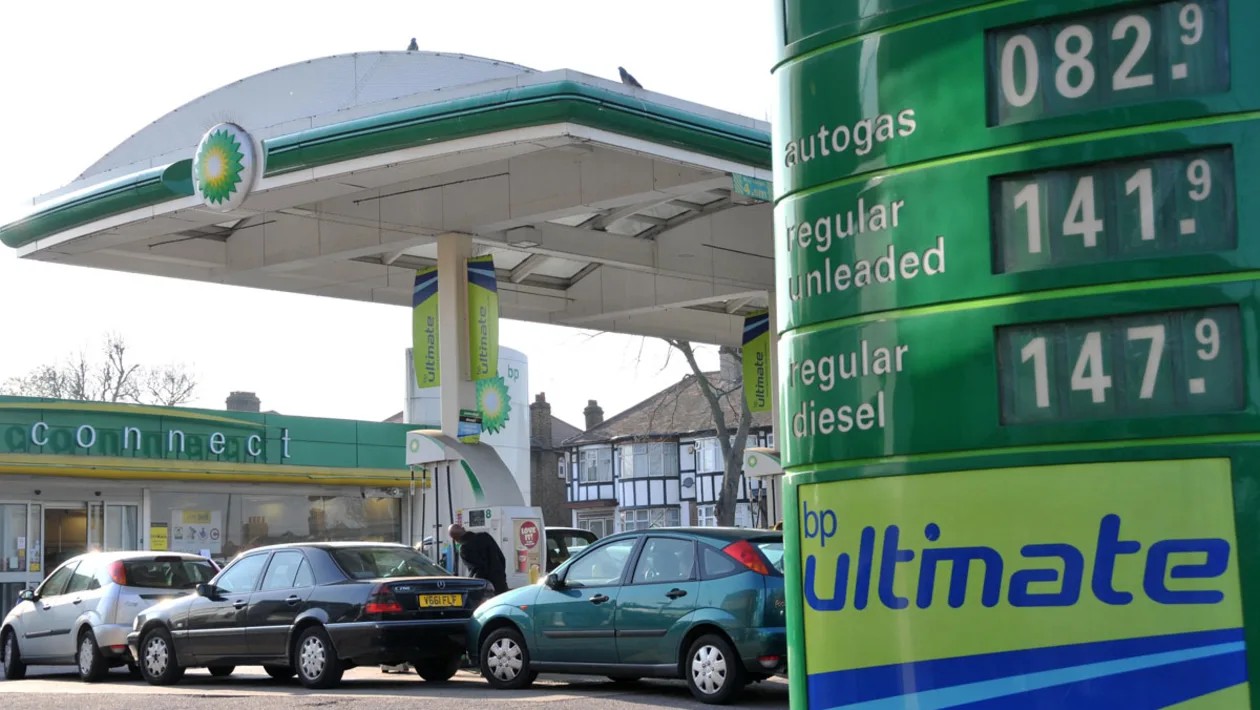
The escalating conflict in the Middle East, particularly involving Iran, is poised to significantly increase the cost of both gasoline and electric vehicle (EV) charging in the UK. Recent surges in oil and gas prices are expected to translate into higher prices at the pump and for home and public EV charging stations.
Oil Prices Surge Amidst Regional Tensions
Brent crude oil, the benchmark for gasoline production, reached over $84 per barrel on Wednesday – its highest level since June of last year. This spike follows heightened tensions in the region, including threats to shipping lanes through the Strait of Hormuz. Qatar has already halted LNG exports, further exacerbating the situation. This is a critical development because the Strait of Hormuz is a chokepoint for global oil supply, and disruption there directly impacts prices worldwide.
Natural Gas Prices Hit Three-Year High
The UK’s natural gas prices have also surged, exceeding £1.44 per therm – a three-year high. This increase is linked to the same geopolitical pressures affecting oil markets. While the current energy price cap (set until April) shields consumers for now, experts predict that prices will rise sharply in July as suppliers grapple with wholesale cost increases. This means EV charging, which relies on electricity derived from gas-fired power plants, will also become more expensive.
Historical Context: Ukraine vs. Iran
Although current prices are rising, they remain below the peak levels seen during Russia’s invasion of Ukraine in 2022. Back then, oil soared to $119 per barrel, pushing UK gasoline prices to a record 191 pence per liter. This translates to an estimated £31 extra per tank fill-up compared to pre-conflict prices. The current situation, while less extreme, still represents a substantial increase for drivers and EV owners.
Retailer Response and Consumer Impact
The RAC urges fuel retailers to avoid passing on wholesale price increases too quickly, ensuring fairness at the pumps. However, it is widely expected that rising costs will inevitably be reflected in consumer prices, making both gasoline and EV charging more expensive in the coming months.
The key takeaway is that geopolitical instability directly impacts energy markets, with consumers bearing the brunt of price increases. This situation underscores the interconnectedness of global energy supplies and the vulnerability of fuel prices to regional conflicts.