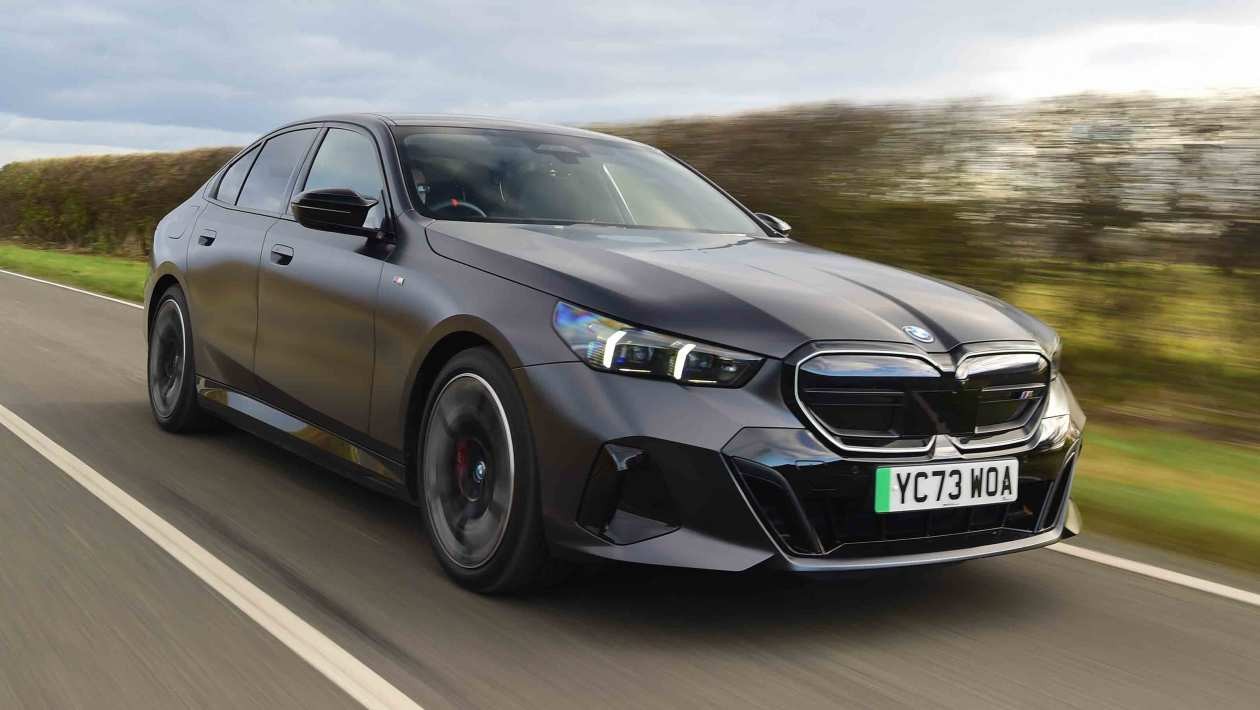
BMW is shifting its strategy for the next-generation i5, moving away from the current shared platform with internal combustion engine (ICE) 5 Series models. The upcoming all-electric i5 will be built on a unique, dedicated EV architecture, similar to the recently launched i3. This change promises substantial gains in range, efficiency, and practicality when the new i5 arrives in approximately three to four years.
Strategic Shift: Why Dedicated EV Platforms Matter
The current 5 Series uses BMW’s ‘CLAR’ platform, accommodating both gasoline and electric powertrains. While versatile, this approach compromises optimization for either type. Dedicated EV platforms, like the one used for the new i3, allow for more efficient packaging of batteries, motors, and other electric components. This translates directly into increased range and better performance.
According to Joachim Post, BMW’s board member for research and development, this move is about scaling and economy. “When we develop a new technology, we’re making 2.5 million cars a year… We must scale our technology into the whole fleet.” The i3’s platform is expected to be rolled out across other models, including the i5.
Performance Gap: i3 Outperforms Current i5
The current i3 already demonstrates the advantage of a dedicated EV platform. Despite its smaller size and lower price, it significantly outranges the existing i5 by nearly 200 miles in some tests. While BMW plans to update the current i5 with battery and electronic improvements from its Neue Klasse program, these changes may not fully close the gap. The fundamental benefits of a bespoke chassis designed specifically for electric powertrains are hard to replicate in a shared architecture.
Timeline: When Will the New i5 Arrive?
The current 5 Series (G20 generation) still has a substantial lifecycle ahead. A mid-life update is expected around 2027, featuring exterior styling changes, an updated interior, and improved battery technology. However, the full advantages of BMW’s new dedicated EV platform will not be realized until the next full generation of the i5, meaning a longer wait for consumers seeking optimal electric performance.
The shift to dedicated platforms signals BMW’s commitment to EVs. This is not just about making an electric 5 Series, but about creating an electric car that leverages every advantage of the technology. The transition will take time, but the long-term benefits in terms of performance, efficiency, and scalability are clear.