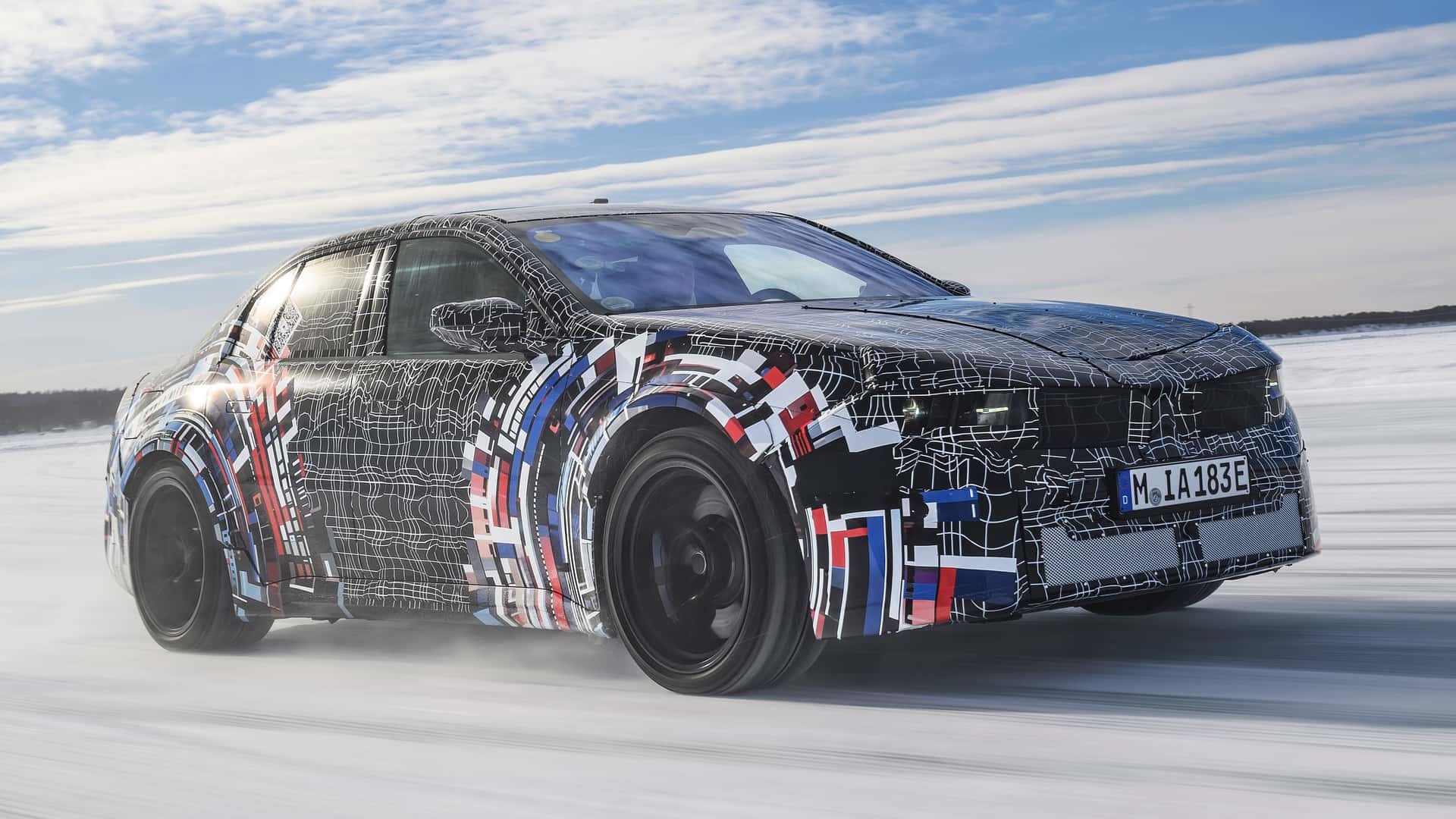
BMW is preparing to launch an all-electric M3, and in a surprising move, the automaker plans to incorporate simulated engine sounds into the vehicle’s audio experience. Rather than a silent EV, the upcoming M3 will feature a custom “soundscape” designed to mimic the roar of iconic BMW engines, including the high-revving 5.0-liter V10 from the E64 M6.
Capturing Automotive History
According to BMW Blog, the company has been actively recording sounds from its legendary performance models. This includes the twin-turbo 3.0-liter inline-six from the F82 M4 GTS and the naturally aspirated 4.4-liter V8 from the E92 M3 GTS. These recordings will be played through the EV’s speakers, blended with the natural whine of the electric motors to create a unique auditory experience.
This approach addresses a key concern for many performance enthusiasts: the lack of traditional engine noise in EVs. The move suggests BMW recognizes that sound is integral to the driving experience, even in an electric vehicle.
Technical Details and Future Plans
The electric M3 is expected to launch next year with a 108.7-kilowatt-hour battery pack and potentially up to four electric motors. While exact performance figures remain undisclosed, BMW is clearly prioritizing a compelling sensory experience.
Notably, this does not signal the end of combustion-powered M models. BMW intends to continue producing gasoline-powered versions until at least 2028. This strategy allows the company to cater to both the evolving EV market and its loyal fanbase who still demand the visceral feedback of a traditional engine.
BMW’s willingness to artificially recreate engine sounds demonstrates a commitment to preserving the emotional connection drivers have with their vehicles, even as the automotive industry shifts toward electrification. The inclusion of iconic sounds like the V10 from the E64 M6 suggests a deliberate attempt to appeal to enthusiasts while embracing the future of electric performance.