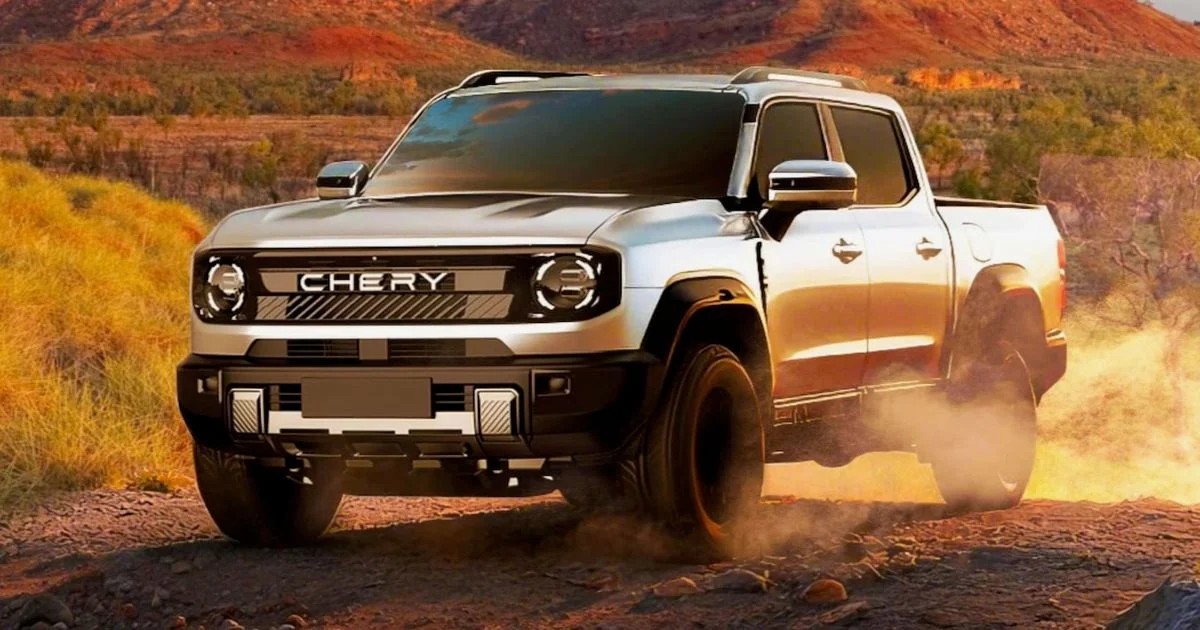
Chery has provided a first look at the interior of its highly anticipated dual-cab ute, currently identified by the internal code KP31. The reveal offers a glimpse into how the Chinese manufacturer intends to compete in the increasingly crowded and premium-leaning Australian utility vehicle market.
A Hybrid Approach to Design and Capability
The interior of the KP31 suggests a strategic blend of rugged utility and high-end passenger comfort. The design language draws inspiration from both heavy-duty off-roaders and premium SUVs, a trend seen in recent competitors like the Kia Tasman.
The cabin is equipped with hardware designed for serious terrain, including:
– Dedicated controls for low-range gearing and various off-road driving modes.
– Individual buttons to engage front, center, and rear locking differentials.
– Advanced driver aids, such as “crawl control” and a “tight-turn” feature designed to assist with pivoting around sharp corners on loose surfaces.
To balance this toughness, Chery has integrated several luxury amenities likely destined for top-tier trim levels. These include heated and ventilated electric seats, dual-zone climate control, wireless charging, and a premium sound system featuring stainless steel speaker grilles. The use of leather upholstery and suede stitching on the dashboard and roof lining further reinforces the vehicle’s positioning as a high-spec contender.
Powering the Competition
The KP31 is set to arrive in Australia later this year with a 2.5-litre turbo-diesel plug-in hybrid (PHEV) powertrain. While specific performance figures remain unconfirmed, reports suggest the vehicle could offer an impressive electric-only driving range of up to 170km. A petrol PHEV variant is expected to follow in 2027.
This powertrain strategy is a direct response to the shifting landscape of the dual-cab segment. As consumers demand more efficiency without sacrificing towing capacity, Chery is positioning the KP31 to take on established players like the BYD Shark 6.
Key specifications confirmed so far include:
– Payload capacity: Up to 1,000kg.
– Towing capacity: Up to 3,500kg (braked).
– Off-road readiness: The prototype features bash plates, recovery points, a snorkel, and all-terrain tyres.
Market Interest and Naming
The level of public interest in the model is already evident. Chery Australia recently held a naming competition that drew over 20,000 entries in just two weeks, highlighting the high expectations Australian drivers have for new entrants in the ute segment.
While the vehicle’s official name is still being finalized, the massive response to the naming contest underscores a broader trend: Australian ute buyers are no longer just looking for “workhorses”—they are looking for sophisticated, tech-heavy vehicles that can transition seamlessly from a construction site to a family road trip.
The KP31 represents Chery’s attempt to move upmarket, combining heavy-duty mechanical controls with the luxury expected in the modern SUV segment.
Conclusion
Chery is positioning its upcoming plug-in hybrid ute as a high-spec, versatile contender capable of challenging established brands through a mix of diesel efficiency and premium interior comfort.