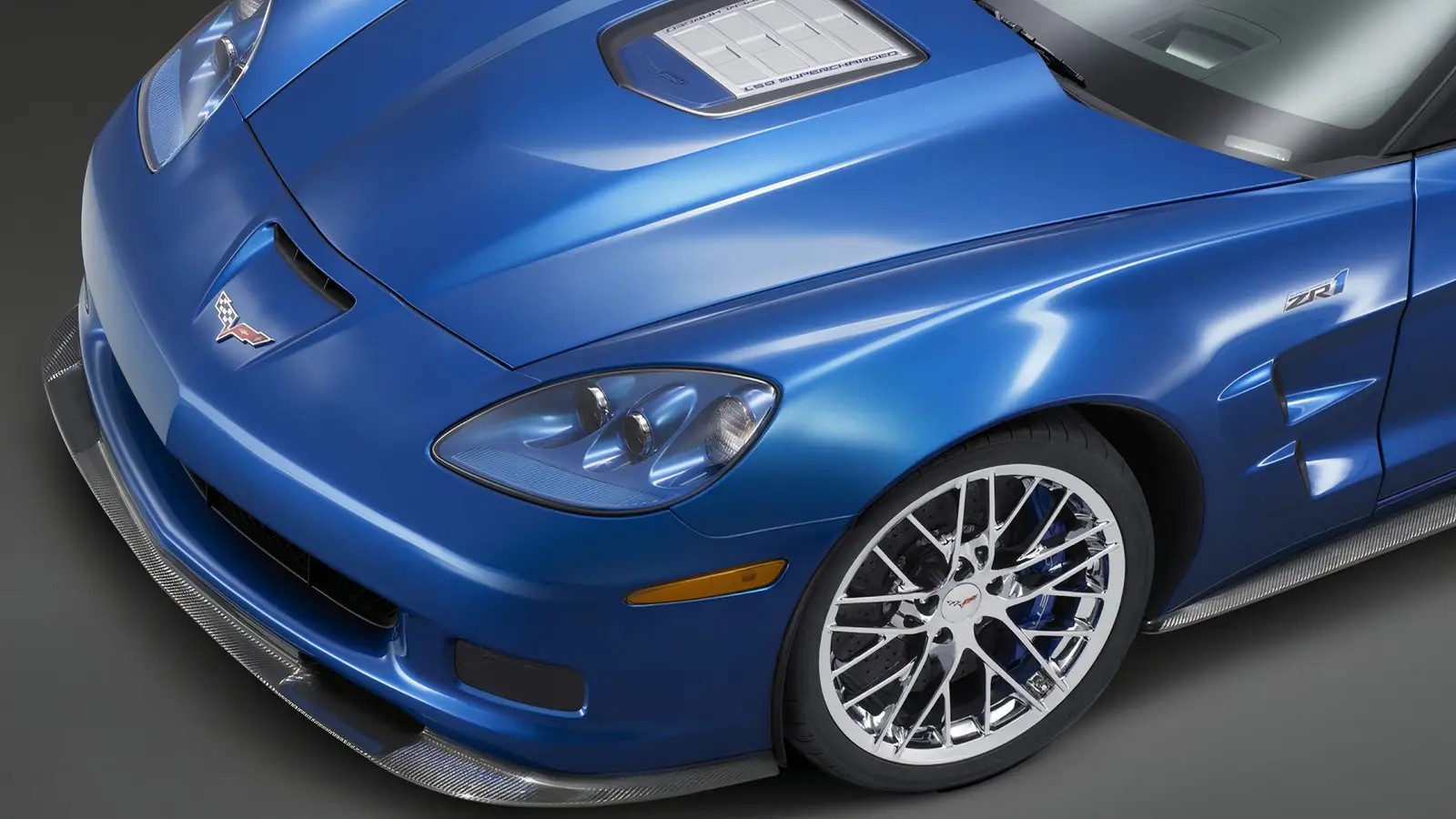
For decades, automotive enthusiasts have debated which engine deserves legendary status. While BMW inline-sixes and Japanese turbocharged engines boast refinement and peak performance, one powerplant consistently outlasts them all: Chevrolet’s LS V8, found in iconic models like the Corvette and countless trucks. The LS isn’t just a powerful engine – it’s an engine that refuses to die, enduring abuse that would destroy most others twice over. This longevity isn’t accidental; it’s a direct result of its design philosophy.
Why Longevity, Simplicity, and Scale Matter
The LS V8’s enduring legacy stems from three key principles: longevity, simplicity, and scale. True longevity means surviving neglect, modification, and time itself, racking up hundreds of thousands of miles in fleet vehicles before failing. Simplicity ensures fewer failure points, making the engine easier to maintain and repair. Finally, massive production numbers mean continuous refinement, unmatched parts availability, and a global knowledge base to support it. The LS V8 excels at all three, making it a uniquely durable engine.
The LS Philosophy: Built to Survive, Not Just Perform
When GM introduced the LS1 in 1997, their goal wasn’t to create an enthusiast icon. It was to build a compact, lightweight V8 that could power everything from sports cars to trucks while meeting emissions standards. This pragmatic approach shaped the LS’s core design. Unlike older big-blocks, the LS uses a deep-skirt aluminum block, six-bolt main bearing caps, and a stiff bottom end engineered for serious torque.
The pushrod valvetrain—often dismissed by competitors—reduced complexity, lowered the engine’s center of gravity, and eliminated the need for complex timing chains and multiple camshafts. Chevrolet prioritized durability over exotic materials and high-strung engineering, resulting in an engine that functions reliably in any application.
Performance Without Fragility: The LS Advantage
The LS V8 delivers impressive performance without operating on the edge of failure. High-revving engines often rely on tight tolerances and aggressive cam profiles to extract power, but the LS takes a different approach. With its large displacement and relatively long stroke, it produces substantial torque at lower RPMs, reducing stress on internal components.
Stock LS variants comfortably exceed 400 horsepower while idling smoothly and running on pump fuel. More importantly, the LS responds well to modifications without requiring major internal upgrades, a feat proven daily on drag strips and dynos. This balance of power and durability sets the LS apart from more fragile engines.
Abuse Tolerance: Why the LS Outlasts the Competition
The LS V8 truly shines in the worst-case scenario: secondhand ownership. Most engines deteriorate rapidly with neglected maintenance or reckless modifications. The LS, however, thrives in chaos. High-mileage junkyard LS engines are routinely rebuilt, boosted, and pushed beyond factory limits without catastrophic failure. Stories of 200,000-mile LS motors surviving track abuse or high-boost setups are commonplace.
This resilience comes down to engineering margin. Chevrolet overbuilt the LS with conservative tolerances, strong rotating assemblies, and robust cooling systems. It doesn’t panic when conditions deteriorate; it shrugs and keeps running. That’s why the LS dominates grassroots motorsports: it’s affordable, widely available, and nearly impossible to kill.
Why the LS Endured While Others Faded
The LS didn’t win by being the most advanced engine on paper. It won by being the most adaptable. While BMW’s inline-sixes are refined and technically impressive, they rely on complex systems that quickly become expensive liabilities when neglected or modified. The LS, designed for mass production and hard use, thrived in a market where others faltered.
As emission rules tightened and competitors leaned into complexity, Chevrolet stuck with its winning formula, continuously improving the LS while maintaining its core durability. This consistency allowed the LS scene to grow, making parts and knowledge readily available. Even as GM moved on to newer engine families, the LS remained relevant, not because it was cutting-edge but because people trusted it to survive.
The LS V8 isn’t just an engine; it’s a testament to pragmatic engineering. It delivers performance without fragility, survives abuse, and remains accessible to enthusiasts worldwide. Its longevity is not a matter of chance – it’s a direct result of a design philosophy that prioritizes durability above all else. This is why the LS V8 has rightfully earned the title of America’s true “forever engine.”