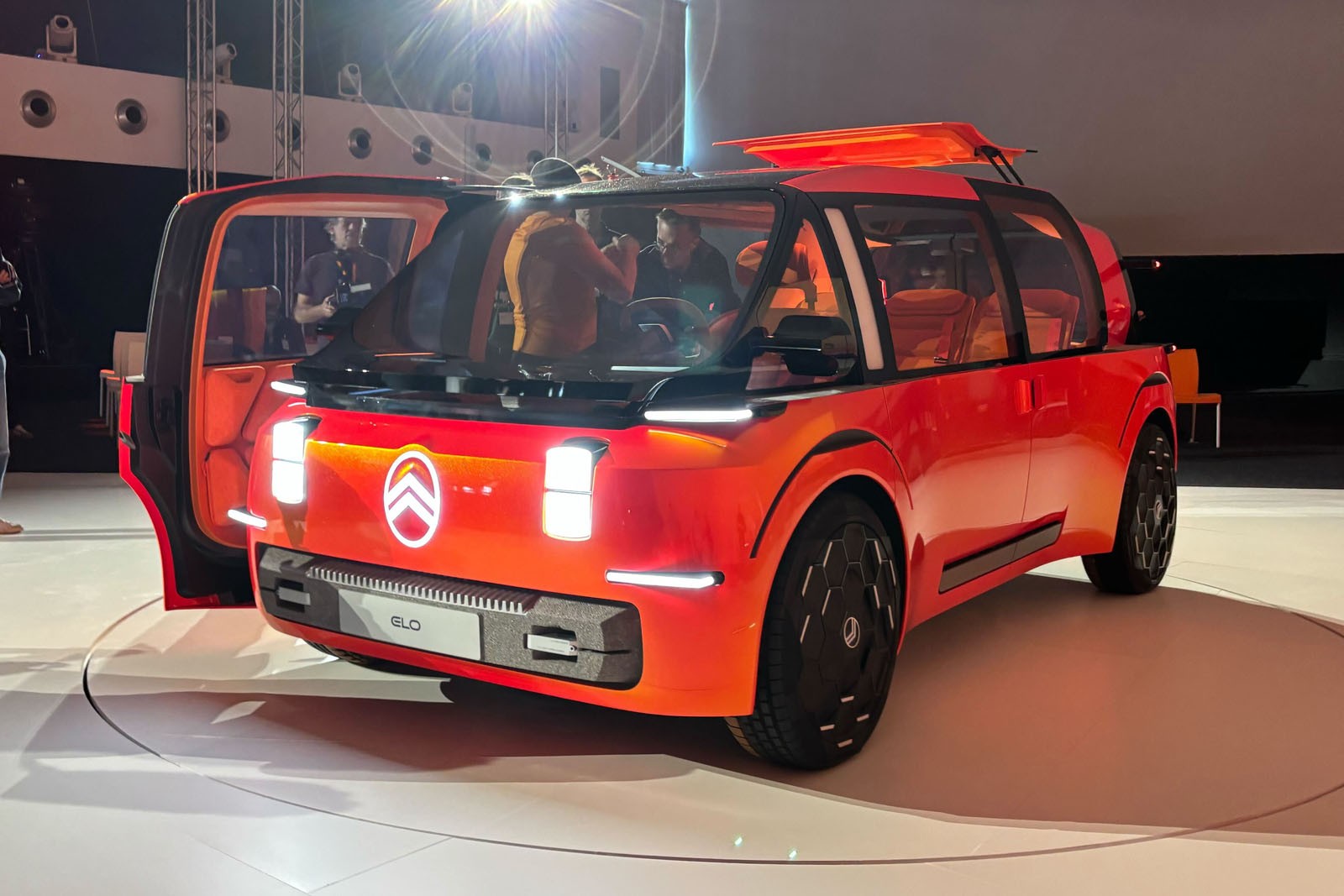
Citroën is challenging the dominance of SUVs with a radical new concept car, the ELO, which packs six seats into a footprint smaller than its existing C3 city car. The move signals a deliberate effort to revive the MPV (Multi-Purpose Vehicle) segment – traditionally seen as unexciting – by prioritizing space, flexibility, and a fresh design approach.
Rethinking Interior Space
At just 4.1 meters long, the ELO is remarkably compact, yet its interior rivals larger SUVs in terms of rear passenger width. Citroën’s design team, led by Pierre Leclerc, aims to create a vehicle that functions as a “third place” for modern lifestyles—a space offering both freedom and privacy. This concept follows in the tradition of iconic Citroën models like the 2CV and the Ami, which prioritized practicality and innovative interior design over conventional aesthetics.
Challenging SUV Dominance
Citroën CEO Xavier Chardon acknowledges the prevailing market trend toward SUVs but argues that consumers still need practical, space-efficient alternatives. The ELO directly addresses this need by proving that a small car can offer family-friendly capacity without sacrificing urban maneuverability.
“Everybody thought that the MPV would be dead because they have SUVs,” Chardon said, “But Citroën… is shaping habits and coming with new entrants.”
The Future of Urban Mobility?
The ELO’s design philosophy is about maximizing interior space while minimizing the vehicle’s external dimensions. This approach is particularly relevant in densely populated cities where parking is limited and maneuverability is crucial. Citroën’s bet on the ELO suggests that the brand is willing to disrupt conventional automotive thinking to offer consumers genuinely practical and innovative solutions.
The ELO is more than just a concept car; it’s a statement of intent for how Citroën plans to redefine car design in a new era, prioritizing people’s needs over fleeting trends.