Cupra is preparing a mid-life update for its Born electric hatchback, aiming to refine the model’s design and keep it relevant as the brand expands its EV lineup with the upcoming Raval subcompact. While the changes aren’t drastic, they represent a strategic move to maintain the Born’s appeal in a rapidly evolving market.
Exterior Refinements
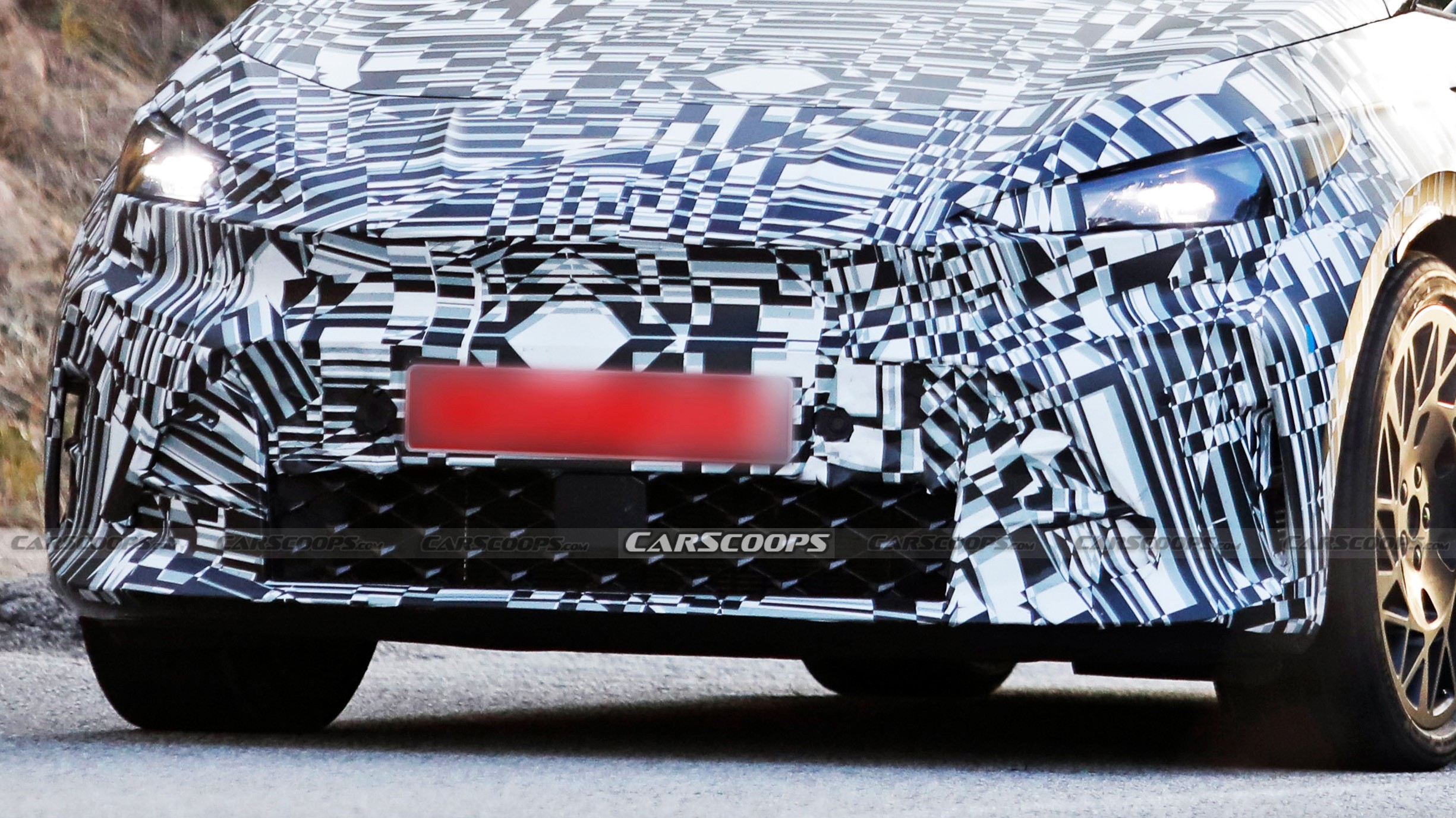
Recent spy shots reveal that Cupra is focusing on evolutionary rather than revolutionary changes for the Born’s facelift. Camouflage is concentrated around the front and rear, indicating redesigned bumpers and updated lighting.
The front grille appears taller and more sculpted, flanked by vertical vents intended to enhance visual width and aggression. These tweaks align the Born more closely with Cupra’s current design language, seen in models like the Tavascan, Terramar, and the new Raval.
At the rear, the diffuser has been reworked with a more pronounced lip, giving the car a slightly lower and tougher stance. These subtle adjustments differentiate the facelifted model from earlier versions without straying too far from the original design.
Mechanical Updates
Mechanically, the Born lineup is expected to remain largely unchanged. The existing 201 hp and 228 hp rear-wheel-drive variants will likely continue, along with the high-performance 322 hp VZ model.
Cupra may also attempt to improve range by optimizing the existing 59 kWh, 77 kWh, and 79 kWh battery options. The current Born already achieves up to 369 miles on a single charge, so any additional gains would further enhance its practicality.
Interior Enhancements
Inside, significant changes are unlikely. Cupra already addressed the Born’s previous interior shortcomings in 2024 by incorporating VW’s improved 12.9-inch touchscreen. The cabin quality also surpasses that of the VW ID.3, so any further upgrades will likely be limited to trim and software adjustments.
Why This Matters
The Born shares its platform with the Volkswagen ID.3, meaning major body changes are constrained by VW Group approvals. The refresh isn’t about reinventing the wheel, but rather about keeping the Born competitive until the smaller, front-wheel-drive Raval arrives in 2026.
This subtle update underscores a broader trend: automakers are increasingly focusing on refining existing models rather than launching entirely new ones, especially in the EV space where rapid iteration is key.
The Born’s continued relevance hinges on maintaining its position as one of the better-looking small EVs available. The facelift ensures it remains visually appealing and technologically up-to-date as Cupra expands its electric portfolio.