While Chinese manufacturers have demonstrated their ability to produce high-quality electric vehicles, technical proficiency is only half the battle. As these companies attempt to penetrate established European markets, they are discovering that brand recognition is an incredibly expensive and difficult hurdle to clear.
A recent study highlights a stark reality: despite their growing presence, most Chinese car brands remain virtually invisible to the average German consumer.
The Awareness Deficit
The survey, which polled 5,000 respondents, reveals a massive gap between the presence of Chinese vehicles on the road and the public’s awareness of the brands behind them. The numbers tell a story of widespread anonymity:
- Deepal, Omoda, and Jaecoo: Less than 1% of respondents recognized these brands.
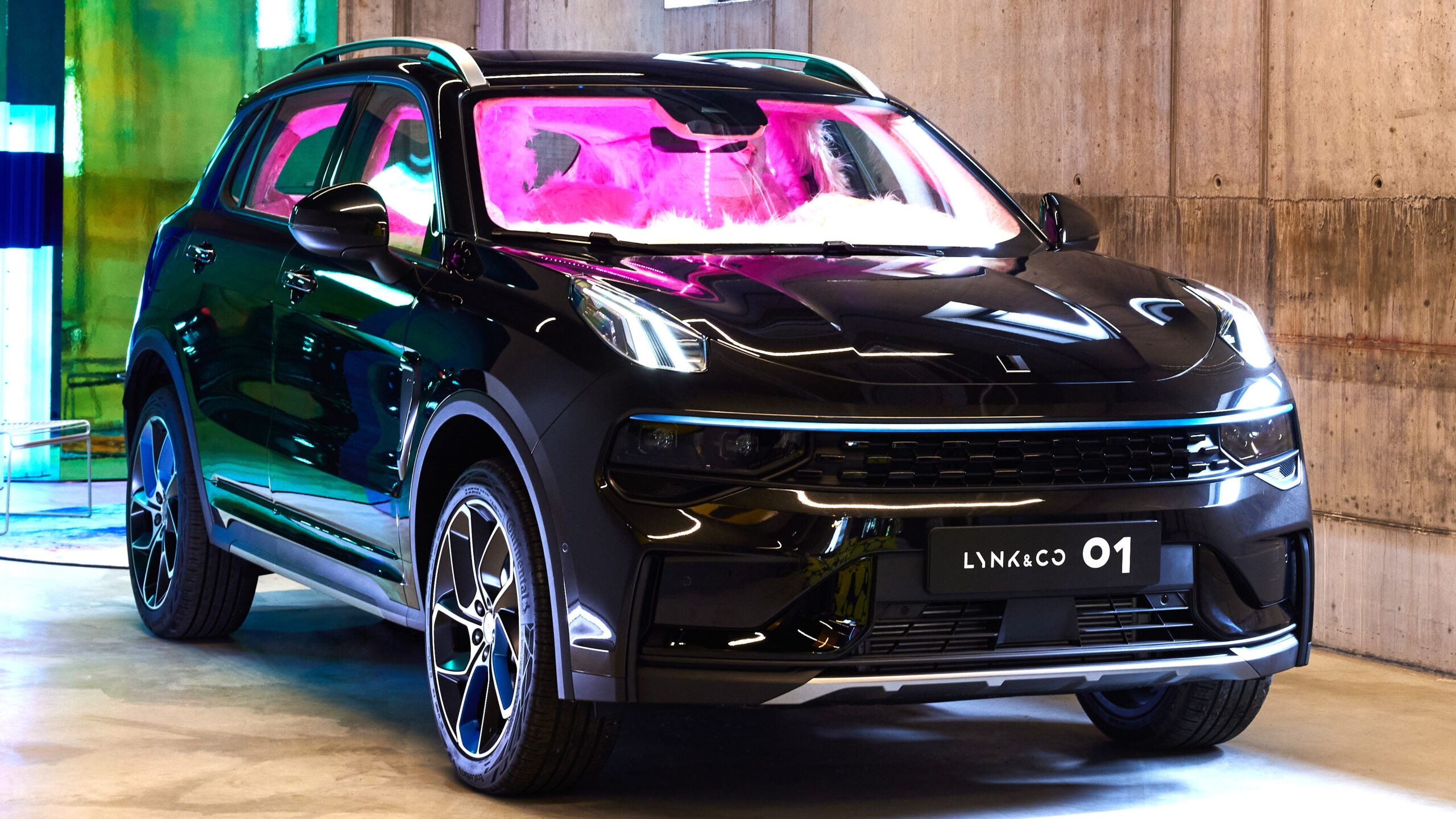
- Leapmotor and Lynk & Co: Only 11% of respondents were familiar with them, despite Lynk & Co having maintained a German market presence for over five years.
This lack of awareness is a significant barrier to entry. In the automotive industry, consumer trust is often tied to brand familiarity; if a buyer has never heard of a manufacturer, they are far less likely to consider them for a major purchase like a vehicle.
BYD and the Power of High-Profile Marketing
Among the newcomers, BYD stands out as the clear leader in visibility. According to the study, 64% of respondents are aware of the brand.
This success is not accidental. Analysts point to BYD’s aggressive marketing strategy, specifically its high-profile sponsorship of the UEFA European soccer tournament, as a primary driver of its recognition. By attaching its name to a major cultural event, BYD has managed to bypass the slow process of organic growth and leapfrog into the public consciousness. Similarly, MG maintains a respectable 26% recognition rate, outperforming most of its direct Chinese competitors.
The High Cost of Entry
Breaking into Germany—Europe’s largest single car market—requires more than just good engineering; it requires massive capital investment in marketing and infrastructure.
Martin Fassnacht, a marketing professor at the WHU-Otto Beisheim School of Management, notes that the financial requirements are staggering. To establish a meaningful foothold, new automakers may need to invest:
* Hundreds of millions of euros within their first five years.
* Up to €1 billion ($1.1 billion) over a decade.
Even with these astronomical sums, there is no guarantee of long-term success. The industry is shifting toward a high-stakes “marketing war,” with companies like Great Wall Motor (focusing on its Ora and Wey brands) and Changan already committing millions of euros to intensive media campaigns to bridge the visibility gap.
The transition from being a manufacturer to being a household name requires a level of sustained, multi-billion euro investment that many newcomers may find difficult to maintain.
Conclusion
While Chinese carmakers are proving they can compete on quality, they are currently losing the battle for consumer attention. Success in the European market will depend less on the cars themselves and more on whether these brands can afford the massive marketing costs required to become household names.