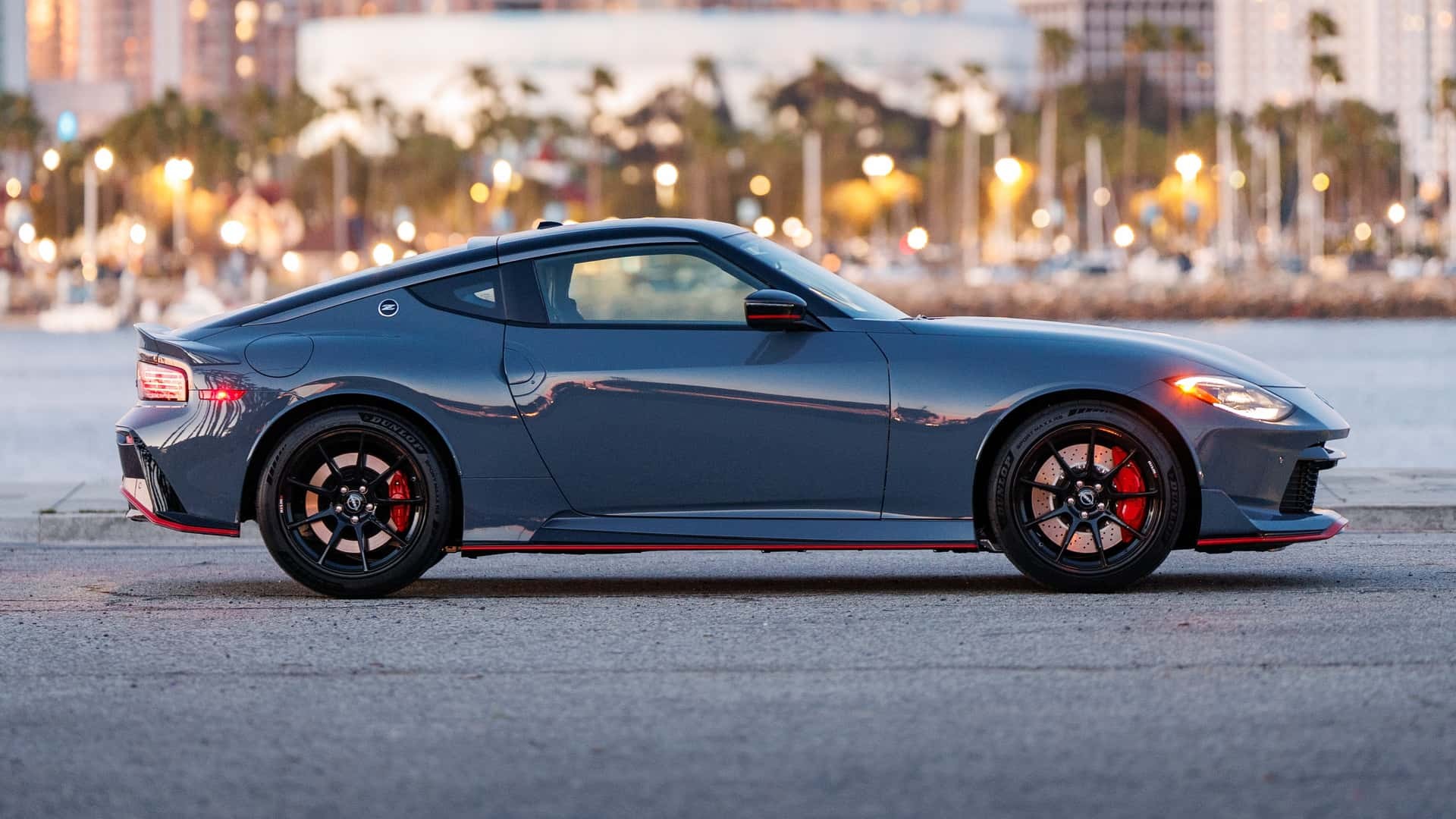
For enthusiasts waiting for the next evolution of the iconic Nissan Z, the news is a lesson in patience. Rather than rushing a successor to market, Nissan is taking a measured, long-term approach that prioritizes brand heritage and careful product lifecycles over rapid turnover.
The Strategy: Heritage First, Innovation Later
According to Ponz Pandikuthira, Nissan America’s Senior Vice President of Product and Planning, the company is not currently focused on a full redesign. Instead, Nissan intends to bridge the gap between the current model and its future successor through heritage-based special editions.
Over the next three years, expect to see limited runs of the Z that celebrate its historical roots. This strategy serves two purposes:
1. It keeps the Z relevant in a niche market.
2. It maintains interest among collectors and enthusiasts without the massive R&D costs of a ground-up redesign.
Only after these celebratory editions have run their course will Nissan move into active discussions regarding the aesthetic and mechanical direction of the next generation.
Market Dynamics and Sales Trends
While the Z is a “niche” vehicle rather than a high-volume mass-market car, its recent performance has been surprisingly robust. Last year, Nissan saw a 73.4% surge in sales, moving over 5,000 coupes.
However, the company is managing production with precision. To avoid oversupply in a specialized market, Nissan is adjusting production levels to match specific customer demand. This cautious approach explains why we may see a temporary dip in sales around 2026 as the brand transitions toward the 2027 model year.
The Timeline: When to Expect the New Z
Based on current product cycles and industry analysis, the next-generation Z is unlikely to arrive before 2030, with a realistic market entry potentially landing around the 2032 model year.
Several factors dictate this timeline:
– The Mid-Cycle Refresh: The current generation recently received a refresh for the 2027 model year, which is designed to sustain the car’s relevance for several years.
– The GT-R Factor: Nissan’s roadmap suggests that the next-generation GT-R will likely debut before 2030, and the Z typically follows the development trajectory of Nissan’s flagship performance models.
– Lifecycle Management: A typical automotive lifecycle for a specialized sports car spans roughly 6–8 years; given the current model’s recent refresh, the math points toward the early 2030s.
“We are actively talking about what the next generation will look like,” says Pandikuthira, signaling that while the design phase is looming, the engineering phase is still in its infancy.
Summary
Nissan is opting for a slow-burn strategy, using special editions to celebrate the Z’s history while preparing for a major generational shift in the early 2030s. For fans, this means the current platform will remain the mainstay for several more years before a true successor emerges.