The corporate vehicle landscape is undergoing a rapid transformation. For years, premium compact executives like the Mercedes CLA were favored by company car drivers seeking style and status. However, electric vehicles (EVs) are now gaining significant traction, largely due to favorable tax benefits, and Tesla’s Model 3 has become the leading choice for employee car schemes since its 2018 debut. This shift is not going unnoticed, and new competitors are emerging to challenge Tesla’s market share.
The Rise of EV Rivals
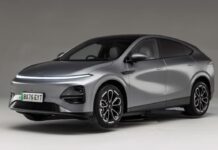
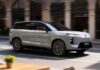
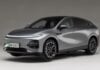
One of the most recent contenders is the MG IM5, which, despite the MG badge, is a rebadged Intelligence in Motion L6 from a joint venture with SAIC. The IM5 boasts impressive specifications: a 100kWh battery providing a range of up to 441 miles, and a price of £44,995. It also features advanced technology such as four-wheel steer and an 800V architecture, making it a compelling alternative in the premium EV segment.
This new player highlights a growing trend: established automakers are facing pressure from agile EV startups and rebadged imports. The MG IM5’s aggressive pricing and strong specs demonstrate that the competition is heating up.
Mercedes’ Balancing Act
Traditional automakers like Mercedes-Benz are adapting, but face unique challenges. Unlike dedicated EV manufacturers, they must simultaneously develop both combustion-engine and electric models. This often results in parallel production lines and increased complexity – as seen with the E-Class and EQE, which effectively serve the same class with different powertrains.
The legislative uncertainty surrounding EV adoption in Europe also adds to the complications. European brands have been forced to navigate shifting regulations, slowing their transition to fully electric fleets compared to Tesla.
What This Means
The battle for dominance in the company car market is intensifying. Tesla’s early lead is being challenged by a wave of new EV rivals, forcing established automakers to accelerate their electric strategies. The MG IM5 is a clear signal that price and performance are becoming key differentiators, and Mercedes – like other European manufacturers – must streamline its approach to compete effectively. The future of corporate fleets will be electric, and the race to capture that market is well underway.