Porsche is navigating the electric transition with measured steps. After launching the Taycan and the Macan Electric, the company now presents its third all-electric model: the Cayenne Electric. Unlike some automakers who rush to replace gas models, Porsche keeps the traditional Cayenne alongside its new EV variant, offering buyers a choice. The result? A vehicle that might finally silence critics who doubted Porsche’s ability to electrify its iconic SUV without sacrificing performance.
A Platform Built for Power
The Cayenne Electric rides on Porsche’s “E4” platform, an evolved version of the VW Group’s Premium Platform Electric (PPE). This isn’t a shrinking exercise: the electric Cayenne is nearly identical in size to the gas-powered version, growing slightly in length while losing an inch in height. The interior dimensions remain largely unchanged, sacrificing only four cubic feet of cargo space – offset by a 3.2-cubic-foot front trunk.
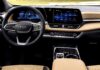
Visually, the Cayenne Electric borrows cues from the Macan Electric, but with a more upright stance and aggressive rear styling. Flared arches, a diffuser, and a full-width rear light bar give it a distinct presence. The interior is dominated by screens: a 14.3-inch digital instrument cluster paired with a 14.9-inch passenger touchscreen, forming a curved “flow display.” Despite initial skepticism, the Google OS-based interface and configurable shortcuts prove surprisingly intuitive.
Performance That Feels Like Porsche
The real test? Driving it. The Cayenne Electric doesn’t just electrify the driving experience; it elevates it. The top-tier Turbo variant delivers 844 horsepower (peaking over 1,000 in short bursts), providing mind-bending acceleration. What sets it apart is Porsche’s meticulous throttle calibration: unlike some EVs with raw, jumpy power, the Cayenne’s response is precise and controlled.
The braking system is equally refined, offering linear stopping power without the jarring effects common in high-performance EVs. Porsche intentionally skipped one-pedal driving, prioritizing driver control over convenience. But the true game-changer is the optional Active Ride system, a $7,790 upgrade that uses active dampers to counter body roll, flatten corners, and virtually eliminate impacts. This isn’t just about comfort; it’s about defying physics in a 5,400-pound SUV.
Towing and Practicality
Beyond performance, the Cayenne Electric doesn’t compromise on practicality. It can tow up to 7,700 pounds, exceeding the Macan Electric’s capacity. Porsche has also included a V8-inspired soundtrack in Sport and Sport+ modes, adding a subtle auditory cue without resorting to fake gear shifts. The ventilated 18-way Sport seats strike a balance between comfort and support, making it suitable for long trips.
The Price of Excellence
The electric Cayenne isn’t cheap. The base model starts at $111,350, while the fully loaded Turbo I tested hit $213,190 with options. This is a substantial premium over the gas-powered Cayenne’s $92,250 starting price, though comparable to the 729-hp Cayenne Turbo S E-Hybrid.
In conclusion: the Porsche Cayenne Electric isn’t just another EV; it’s a statement. It’s a vehicle that proves Porsche can electrify its performance legacy without compromise. While the price remains high, anyone who drives it, even a skeptic, will be impressed.