While Ford CEO Jim Farley maintains that the company is making significant strides in manufacturing quality, a massive new recall serves as a stark reminder of the challenges facing the automaker. A recent safety campaign involving over 420,000 vehicles highlights a critical mechanical flaw that could leave drivers blind during adverse weather conditions.
The Safety Risk: Sudden Loss of Visibility
According to documentation from the National Highway Traffic Safety Administration (NHTSA), the recall centers on a defect within the windscreen wiper mechanism. Specifically, the wiper arm splines are prone to becoming stripped, which can cause the wipers to cease functioning entirely.
The technical failure stems from a combination of two factors:
– A faulty latch retention plate.
– Dimensional inconsistencies between the wiper motor knurl and the wiper arm.
This mechanical mismatch allows the arms to work loose, potentially causing them to fail during heavy rain or snow. For drivers traveling at high speeds, a sudden loss of visibility is a high-stakes safety hazard that can lead to immediate accidents.
Warning Signs for Drivers
Ford has noted that owners might detect the issue before a total failure occurs. Drivers should look out for:
* Wipers moving at unusual speeds.
* Erratic movement or inconsistent patterns during use.
Affected Models and Resolution
The recall impacts several high-volume models produced between 2021 and 2023. The specific vehicles identified are:
- 2021–2023 Ford Expedition (SUV)
- 2023 Lincoln Navigator (SUV)
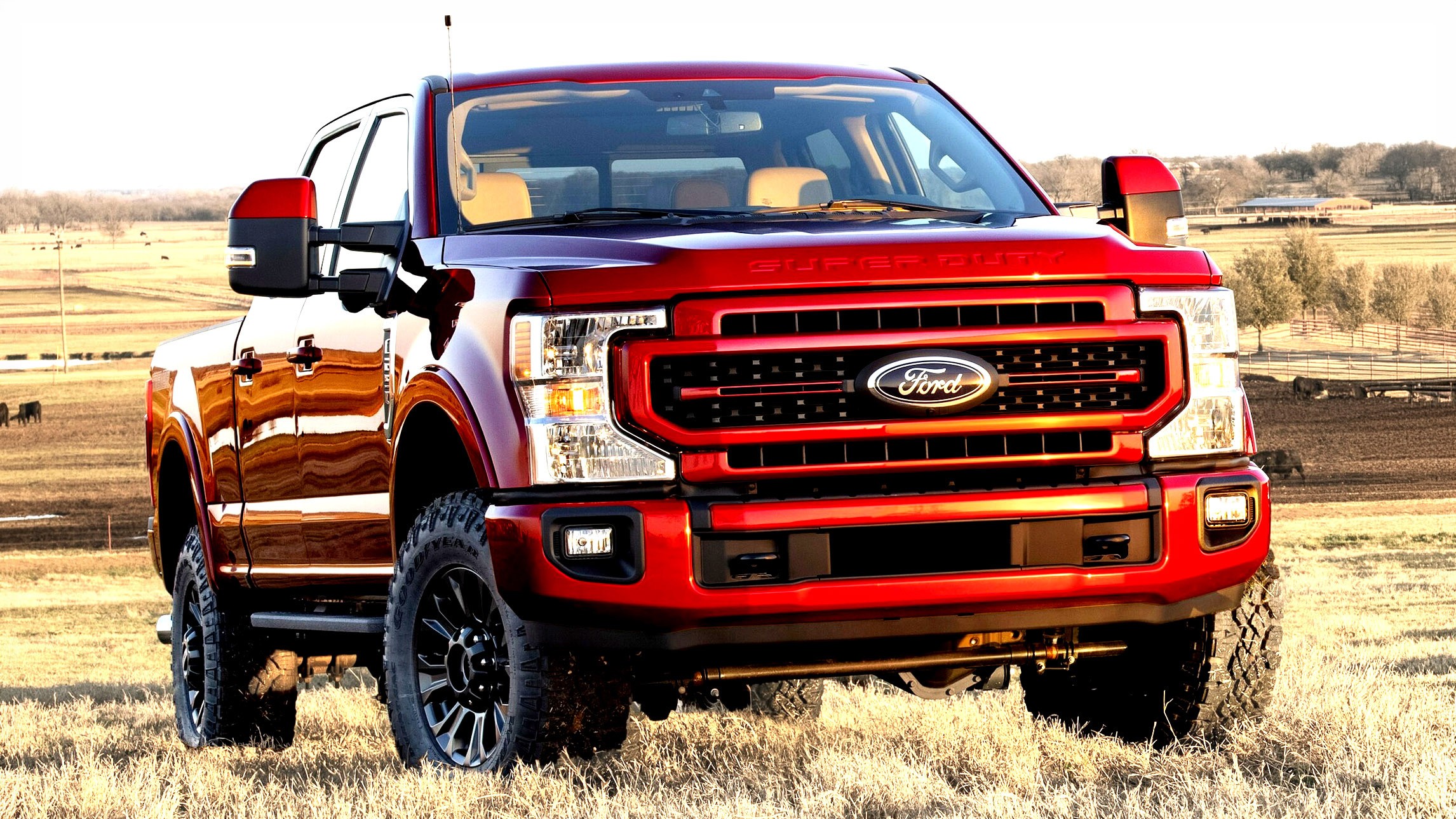
- 2022–2023 Ford Super Duty (Pickups)
Ford has stated that it is working on a remedy, and authorized dealers will replace the faulty parts free of charge. While this follows standard safety protocols, the scale of the recall represents a significant logistical hurdle and an inconvenience for hundreds of thousands of customers.
The Broader Context: A Battle for Quality Reputation
This recall arrives at a pivotal moment for Ford. Last year, the company led the automotive industry in safety campaigns, recording over 150 separate recalls. This trend has placed intense scrutiny on Ford’s manufacturing processes and reliability.
CEO Jim Farley has been vocal about his commitment to hitting quality targets—even receiving record compensation for meeting certain internal benchmarks—but there is a clear “lag effect” in the automotive industry. Even if Ford successfully implements new quality controls today, the vehicles currently on the road are the products of older manufacturing cycles.
The disconnect between Ford’s improving internal metrics and these large-scale recalls highlights the difficulty of repairing a brand’s reputation once mechanical reliability issues have become systemic.
Conclusion
While Ford’s leadership reports progress in manufacturing quality, this massive recall of over 420,000 vehicles underscores the ongoing struggle to ensure reliability across older model years. The true test of Farley’s quality initiative will be whether these large-scale safety campaigns diminish in frequency over the next few years.