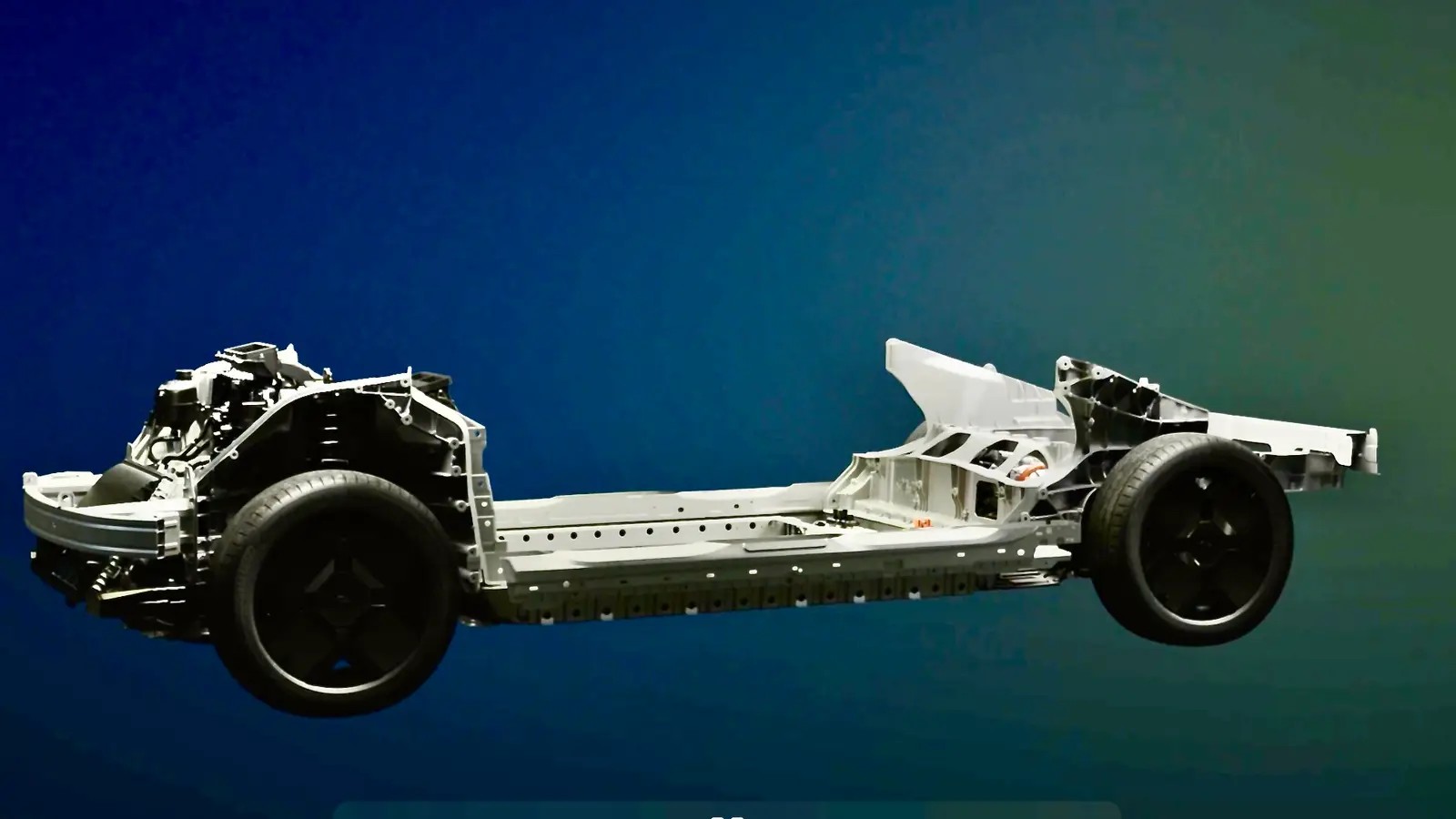
Ford is radically overhauling its approach to electric vehicle (EV) development, aiming for a midsize pickup truck priced around $30,000 with a 300-mile range by 2027. This isn’t just about building another EV; it’s a complete restructuring of how vehicles are designed, engineered, and manufactured—a response to the economic realities of battery-electric vehicle production.
The Economic Imperative
The shift is driven by the fact that batteries account for 40% of an EV’s cost and over 25% of its weight. Major automakers are facing pressure to cut expenses while still delivering competitive range and performance. Ford’s solution: a ruthless internal overhaul dubbed the “Universal EV Platform.” The company is tearing down traditional departmental silos and empowering teams to focus solely on cost reduction and efficiency.
“Bounty Hunters” and System-Level Thinking
Ford’s executive director of advanced EV development, Alan Clarke, describes his team as “bounty hunters” tasked with finding every possible way to minimize cost. The goal is clear: maximizing range with the smallest possible battery while simplifying the vehicle to an unprecedented degree. This means rethinking every component, from aerodynamics to wiring harnesses.
Aerodynamics and Weight Reduction: The Key Levers
The automaker is applying Formula 1-level rigor to aerodynamic efficiency. By poaching talent from the racing world, Ford aims to achieve at least 15% better aerodynamic performance than any other pickup on the market. Small changes add up: a sculpted roofline, reduced side mirror size, and optimized underbody airflow are projected to add 50 miles of range.
Weight reduction is another major focus. Ford is drastically simplifying structural components, moving from 146 parts in the Ford Maverick to just two front and rear structural castings. The result is a 27% weight advantage over competitors using similar techniques. The company also trimmed 4,000 feet of wiring from the upcoming truck by bringing electrical architecture development in-house.
Battery Chemistry and Manufacturing
Ford plans to use low-cost lithium iron phosphate (LFP) batteries —avoiding expensive nickel and cobalt—and assemble them at its new Blue Oval Park in Marshall, Michigan. The truck itself will be built in Louisville, Kentucky.
The Bottom Line
Ford’s aggressive overhaul of EV development is a direct response to the economic pressures facing the industry. By stripping away inefficiencies and focusing on system-level optimization, the company aims to deliver an affordable, competitive electric pickup truck that redefines the market. This aggressive approach is a necessity for long-term viability in a rapidly changing automotive landscape.