General Motors (GM) has issued eight vehicle recalls affecting approximately 80,005 cars as of mid-March 2026. While this figure is significantly lower than Ford Motor Company’s 7.4 million recalled vehicles, it still represents a notable number of safety-related issues impacting GM customers.
Recall Breakdown
The largest single recall this year involves 43,743 vehicles, while the smallest affects just 20 units. Notably, GM previously held the record for most recalls in a single year (77 in 2014), but Ford surpassed that with 153 recalls in 2025. The current pace suggests GM will not approach that level of recalls in 2026.
Key Issues and Affected Models
The recalls cover a range of problems, including:
- Damaged Parking Brake Wiring Harness (2024-2025 Chevrolet Blazer EV): Affecting 20 vehicles.
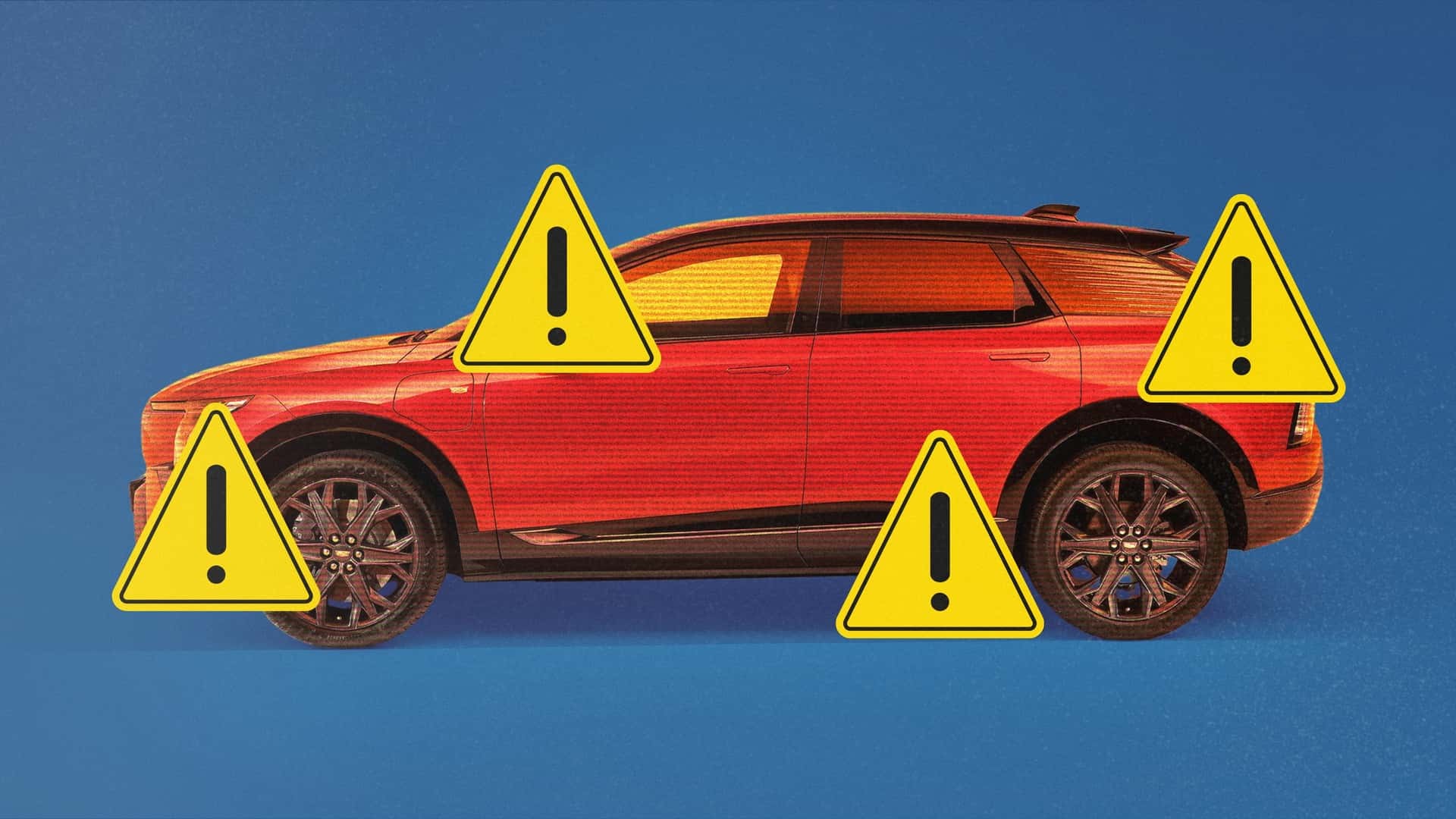
- Rearview Camera Failure (2024 Cadillac Lyriq): Impacting 22 vehicles.
- Transmission Control Valve Failure (2020-2022 Chevrolet/GMC Trucks): Affecting 1,055 units of Silverado and Sierra models.
- Rear Wheel Lockup (2022 Chevrolet/Cadillac/GMC SUVs): A larger recall affecting 48,743 Suburban, Tahoe, and Escalade vehicles.
- Fractured Rear Toe Links (2012-2013 Buick Regal): Affecting 17,050 vehicles due to potential corrosion issues.
- Missing Owner’s Manuals (Multiple 2026 Models): A surprisingly broad recall covering 5,482 vehicles across various GM brands, including Buick, Cadillac, Chevrolet, and GMC.
- Tire Sidewall Damage (2025-2026 Chevrolet Express/GMC Savana): Impacting 826 vans.
- Engine Stall (2025-2026 Chevrolet/GMC 3500 Trucks): Affecting 11,807 heavy-duty trucks due to a fuel pump issue.
Context and Significance
Vehicle recalls are a common occurrence in the auto industry, but they highlight the ongoing challenges manufacturers face in ensuring quality control and safety. The sheer number of recalls issued by both GM and Ford underscores the complexity of modern vehicle systems and the potential for defects to emerge even after extensive testing.
The recall of owner’s manuals—while seemingly minor—demonstrates how even basic components can fail to meet regulatory standards. This also raises questions about production oversight and quality assurance protocols.
Overall, these recalls serve as a reminder that vehicle ownership requires vigilance, and drivers should promptly address any recall notices issued for their vehicles.