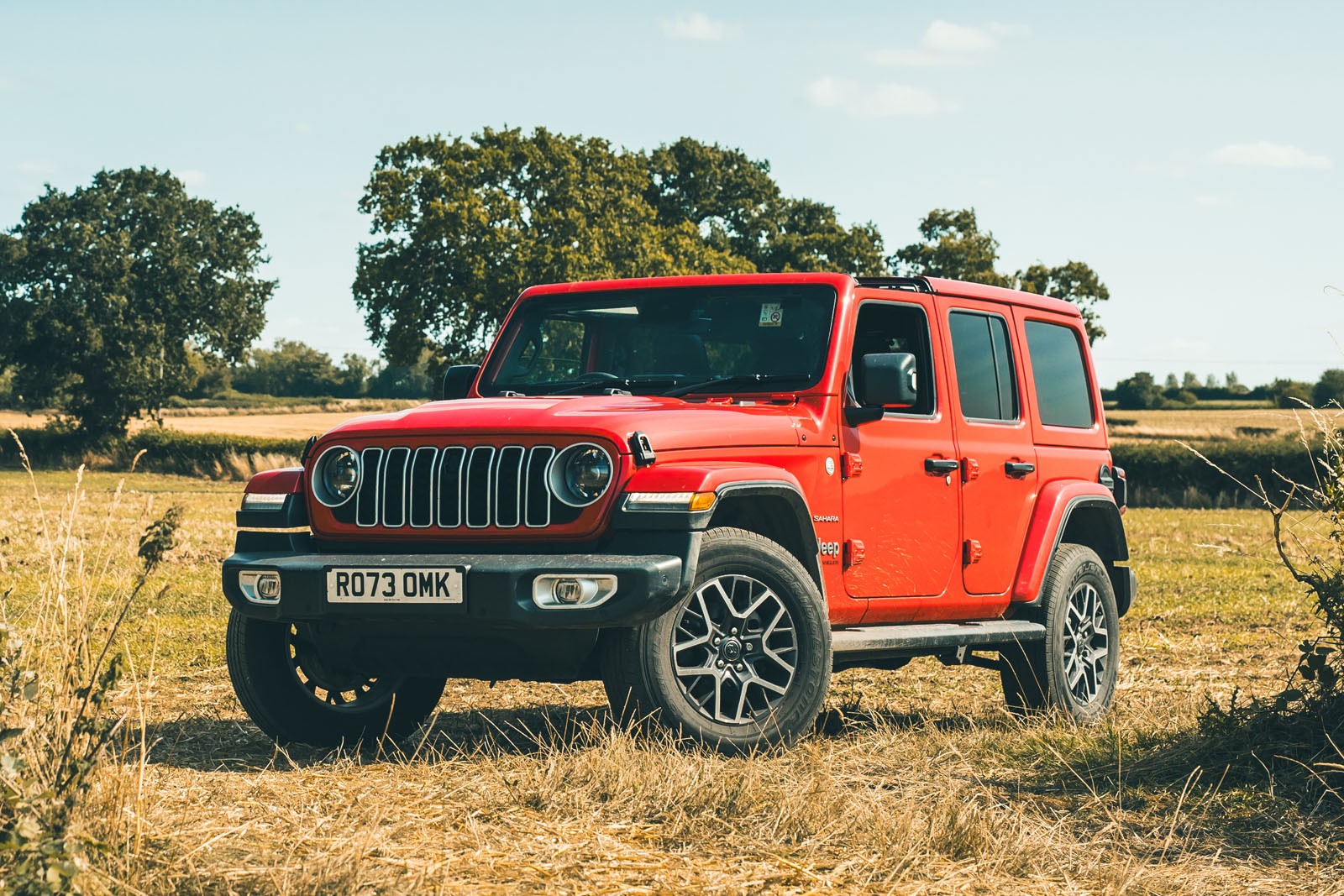
The Jeep Wrangler is set to return to the UK market eventually, but only after substantial improvements to its safety features and environmental performance. The iconic 4×4 was recently pulled from sale due to non-compliance with stringent European regulations, primarily the GSR2 standards which mandate advanced driver assistance systems and robust cybersecurity measures.
Regulatory Hurdles and Emissions Targets
The Wrangler’s high CO2 output—269g/km—further complicated its position. Automakers now face pressure under the Zero Emission Vehicle (ZEV) mandate to slash fleet emissions. This system allows manufacturers to offset gasoline car sales by effectively “trading” them for EV sales; each 167g/km reduction equates to one EV sold. Jeep’s parent company, Stellantis, is thus incentivized to reduce the Wrangler’s environmental impact to meet these aggressive targets.
The UK automotive industry missed its EV sales goals in 2025 for the second consecutive year, with the target rising from 28% to 33%. Non-compliance carries a hefty penalty of £12,000 per combustion engine vehicle sold above the threshold.
Euro 7 Emissions Standard: A New Challenge
Adding to the complexity, the Euro 7 standard, introduced this year, expands emissions regulations to include particulate matter from tires and brakes, evaluated under broader real-world conditions. These combined pressures have led Jeep UK to temporarily halt production of the Wrangler.
“We paused production due to regulatory and responsible pressure, given the current CO2 output,” stated Kris Cholmondeley, Jeep UK managing director. “However, we are not ruling out a future return for this iconic vehicle in an evolved form, though timing and specifics remain uncertain.”
Balancing Icon Status with Commercial Viability
Despite the Wrangler’s enduring popularity, Jeep acknowledges the need for broader market appeal. While the Wrangler has been successful, its niche status poses a long-term risk. A brand must expand its commercial reach to survive; relying solely on icon status is not a sustainable strategy.
The return of the Jeep Wrangler to the UK hinges on its ability to adapt to evolving regulations and consumer demands. The company is prioritizing upgrades in safety, cybersecurity, and environmental performance to ensure its flagship model remains viable in a rapidly changing automotive landscape.