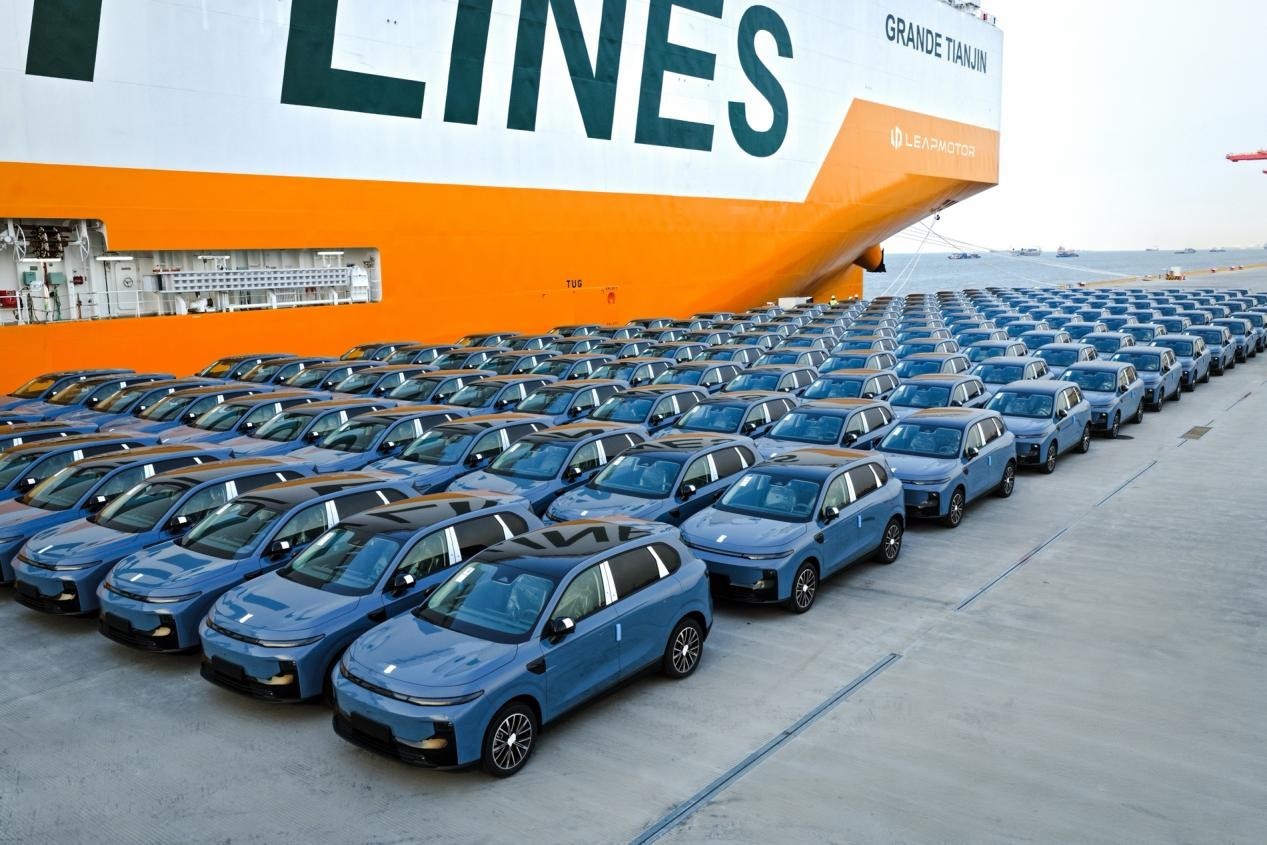
The European Union and China have reached an agreement to replace anti-subsidy tariffs on Chinese battery electric vehicle (BEV) exports with a system of price undertakings. This means Chinese automakers exporting to the EU will now be guided on setting minimum import prices, rather than facing tariffs of up to 35.3% on top of standard duties.
The Background: EU Anti-Subsidy Investigation
In 2024, the EU launched an investigation into state support for China’s electric vehicle industry. The result was the imposition of provisional anti-subsidy tariffs, intended to level the playing field given concerns over unfair competition. China strongly opposed these measures, arguing they violated World Trade Organization (WTO) rules. The tariffs were set to take effect while negotiations continued.
The New Agreement: Price Undertakings as an Alternative
The breakthrough came with a mutual understanding: Chinese exporters will receive guidance on submitting price undertaking offers. These offers will be assessed by the EU based on objective legal criteria, ensuring non-discrimination and adherence to WTO standards. The EU will publish a document outlining submission requirements.
If a Chinese manufacturer agrees to a minimum import price, it can avoid the anti-subsidy tariffs entirely. The China Chamber of Commerce for Import and Export of Machinery and Electronic Products (CCCME) described this outcome as a “soft landing” for the trade dispute.
What This Means for Automakers
The new system allows Chinese EV companies to bypass tariffs by committing to certain pricing thresholds in the EU market. Companies that meet the EU’s criteria will effectively avoid the financial burden imposed by the earlier tariffs. The EU Commission has pledged objective reviews of submitted applications.
Implications and Future Outlook
This deal avoids a full-blown trade war over electric vehicles, but it also doesn’t eliminate trade friction entirely. The agreement shifts the focus from tariffs to price controls, giving the EU more direct influence over Chinese EV pricing in Europe. This outcome signals a willingness from both sides to negotiate, even amid rising geopolitical tensions. The success of this system will depend on transparency and consistent enforcement from both China and the EU.