The automotive landscape in Australia is undergoing a seismic shift. Driven by what industry insiders call “China speed” —the ability of Chinese manufacturers to develop and deploy new technologies at breakneck pace—the local market is about to see a massive influx of new players.
While brands like MG and GWM have already established a foothold, a new wave of manufacturers is preparing to launch between 2026 and 2027. This rapid expansion raises a significant question for consumers: as the market becomes saturated with diverse brands, how will they differentiate themselves, and will the sheer volume of choice lead to intense price wars?
Here is a breakdown of the nine brands currently signaling their intent to enter the Australian market.
The Rugged & The High-Tech
212
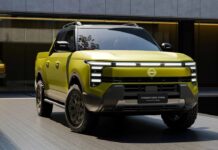
Targeting the enthusiast market, 212 is an off-road specialist. Their flagship model, the T01, is a rugged, boxy SUV that draws design inspiration from vintage Jeep-style aesthetics.
– Status: Currently testing in the Northern Territory.
– Key Detail: A local launch is pending the development of Right-Hand Drive (RHD) versions, expected with their next-generation models.
Dreame
In a departure from traditional carmakers, Dreame is a technology company aiming to disrupt the luxury EV segment.
– The Vision: They plan to launch high-performance “Nebula” hypercars and “Star Motor” electric SUVs.
– Specs: Their concept vehicles boast staggering figures, including up0 to 1399kW of power and 0-100km/h times of just 1.8 seconds.
– Timeline: Customer deliveries are projected for early 2027, potentially featuring advanced solid-state batteries.
The Newcomers & The Specialists
Firefly
A sub-brand of the premium electric vehicle maker Nio, Firefly is positioned as a more accessible entry point into the EV market.
– The Product: An electric hatchback slightly larger than a Toyota Yaris, designed to compete with the BYD Dolphin and MG 4.
– Market Strategy: While testing is underway, it remains to be seen whether Firefly will use local distributors or adopt the direct-to-consumer model used by MG.
Forthing
Distributed by Ateco Automotive (the group behind LDV and Ram), Forthing will focus on the “new energy” segment.
– Lineup: A range of crossover SUVs, including the Taikon 5, which will be available as both full EVs and Extended-Range Electric Vehicles (EREVs).
JMC
Making a second attempt at the Australian market after a brief stint in the mid-2010s, JMC is focusing on the utility segment.
– The Offering: They plan to launch the Vigus ute, powered by a 3.3-litre turbo-diesel engine.
– Note: Interestingly, JMC is opting for an older model line rather than their newer “Dadao” family, suggesting a strategy aimed at the ultra-affordable end of the ute market.
The Chery Ecosystem: A Multi-Brand Strategy
Perhaps the most complex development is the expansion of the Chery Group. Rather than relying on a single brand, Chery is launching multiple distinct labels to cover different market segments. This “horizontal” strategy risks brand cannibalization, but aims to capture every corner of the consumer base.
Freelander
In a unique partnership with Jaguar Land Rover, Chery is reviving the “Freelander” nameplate. These SUVs will be produced at the Chery/JLR plant in China, blending Chery’s platforms with the heritage of the Freelander brand.
iCaur
Positioned as a stylish, “Apple-esque” export brand, iCaur focuses on boxy, urban SUVs. The lineup ranges from the compact V23 to a much larger, LandCruiser-sized V27.
Jetour
While part of the Chery family, Jetour is being managed as a separate entity with its own distribution. They specialize in SUVs, ranging from sleek urban models like the “Dashing” to heavy-duty, three-row flagships that rival the Toyota LandCruiser.
Lepas
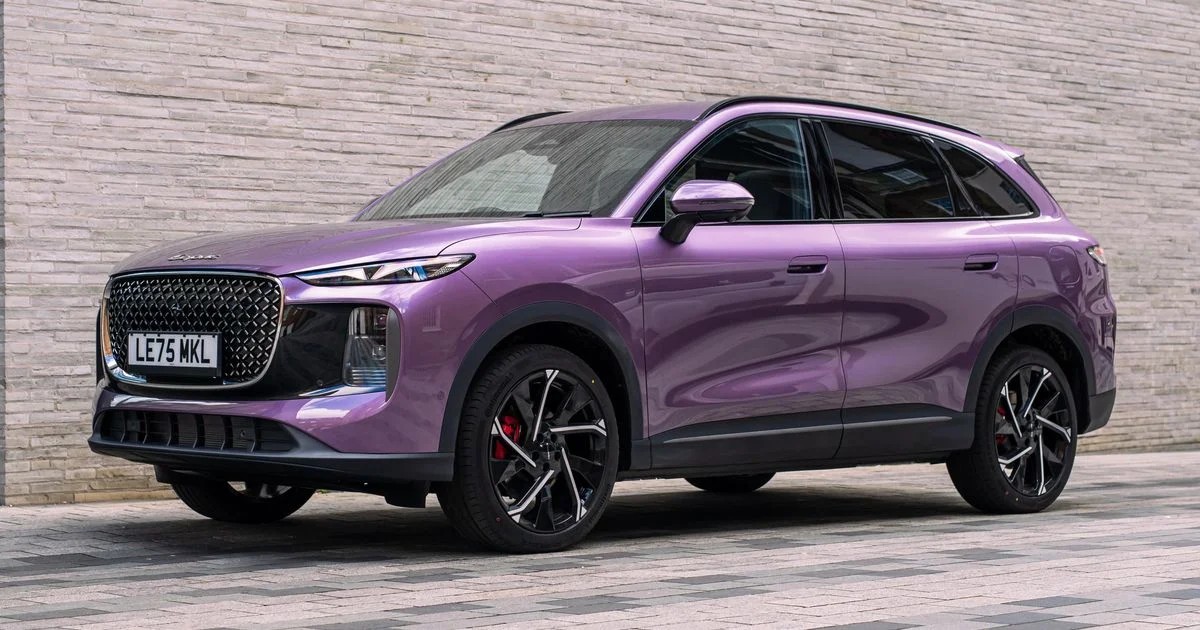
Targeting the lifestyle and fashion-conscious buyer, Lepas aims to differentiate itself through aesthetics.
– The Hook: Expect bold color palettes and potentially even designer fashion accessories within their showrooms to create a “lifestyle” brand experience.
Summary of the Shifting Landscape
The sheer number of incoming brands highlights a fundamental shift in the global automotive hierarchy. As Chinese manufacturers move from being “budget alternatives” to high-tech innovators, Australian consumers will face a much more competitive and diverse marketplace.
The Bottom Line: The Australian car market is about to become significantly more crowded, with Chinese brands employing a “multi-brand” strategy to dominate everything from budget commuters to luxury hypercars.