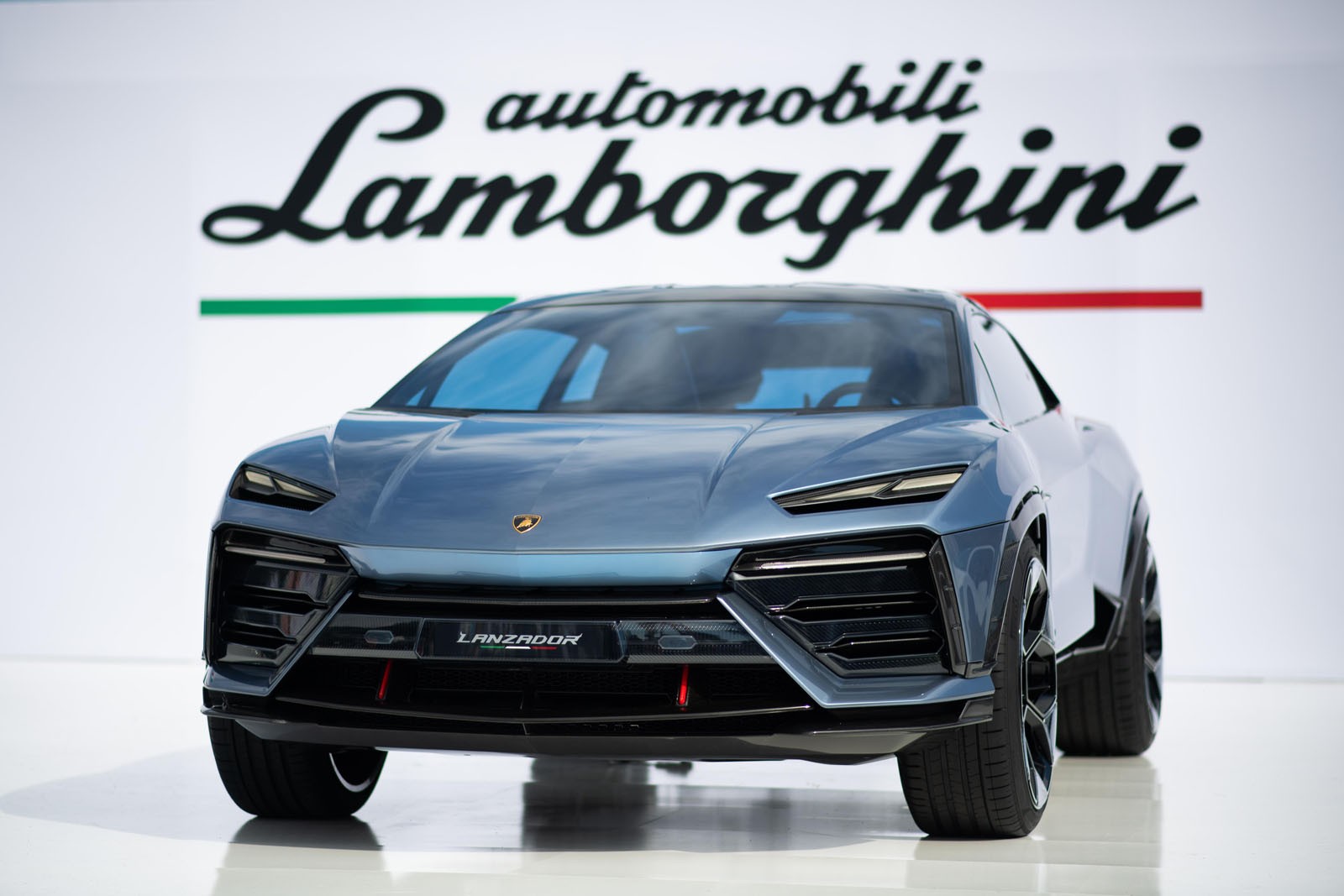
Lamborghini remains committed to an all-electric model, but will delay its launch past 2030, following a strategic shift prompted by weak demand for electric luxury vehicles. CEO Stephan Winkelmann clarified recent comments about electric cars being an “expensive hobby,” stating his remarks were misinterpreted. The decision comes as the company equips its fourth model, the Lanzador, with a plug-in hybrid (PHEV) powertrain instead of a fully electric one.
Why the Change? Demand and Emotion
The shift reflects a broader trend: high-end sports car buyers are not yet fully embracing electric vehicles. Winkelmann explained that Lamborghini customers purchase vehicles not primarily for practicality, but for emotional fulfillment. “You don’t buy a Lamborghini because you want to move from A to B on a daily basis,” he stated, “You buy it because it’s a childhood dream.” This means the company needs to create an EV that maintains the brand’s signature appeal, exceeding customer expectations in ways that rational arguments cannot.
Lamborghini is actively studying how competitors attempt to inject emotion into their electric offerings. The firm wants its future EV to feel and sound distinct from other electric cars on the market. This approach is a departure from simply electrifying existing models; the company is prioritizing creating a unique, visceral experience.
Financial Impact and Future Strategy
The strategic overhaul contributed to an 8.3% drop in profits last year, despite record sales of 10,747 vehicles and revenues of €3.2 billion. The delay provides Lamborghini with more time to refine its EV strategy, ensuring it meets the expectations of its core customer base.
The extended timeframe allows Lamborghini to focus on making electric cars emotional — a challenge that cannot be solved through technical specifications alone.
Lamborghini will closely monitor electric vehicle acceptance rates among luxury buyers before finalizing its EV launch date, with a firm commitment to delivering a product that retains the brand’s unique identity.