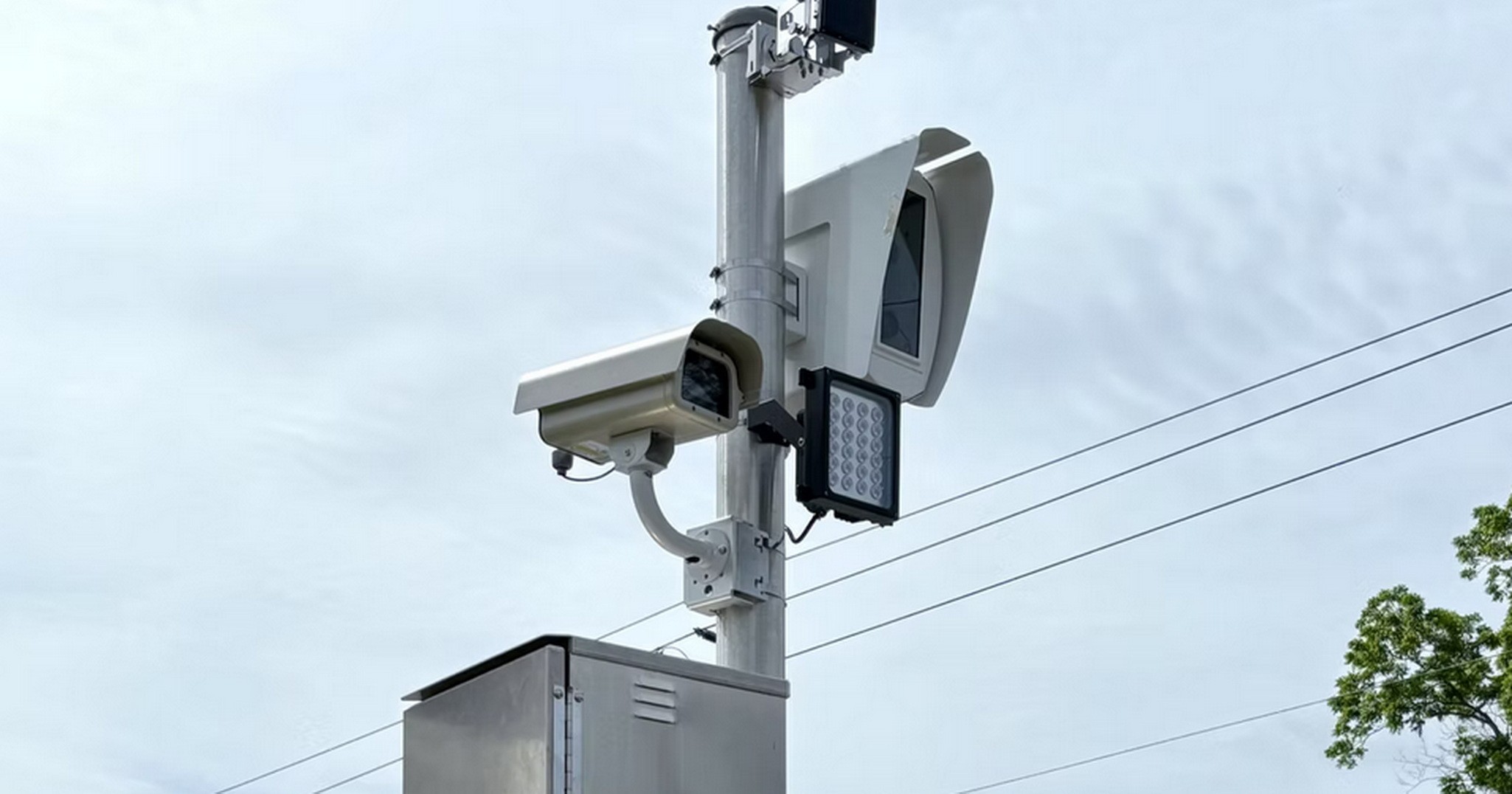
A new bill in Massachusetts, House Bill 4087, proposes allowing cities and towns to install automated traffic cameras capable of issuing $150 fines for speeding and red-light violations. While proponents frame it as a public safety measure, the legislation raises significant privacy and constitutional concerns.
How the System Would Work
The proposed system would operate through civil, not criminal, citations mailed directly to the vehicle’s registered owner, regardless of who was driving at the time. Drivers would have 60 days to review camera footage, appeal the violation, or submit an affidavit identifying the actual driver. Municipalities would have the authority to decide whether or not to participate and how collected fines are allocated.
The Argument for Automation
State Representative Orlando Ramos, a sponsor of the bill, insists the aim is solely road safety. “We are simply trying to keep the road safe,” Ramos stated, emphasizing that the legislation is not designed to generate revenue for cities. This assertion comes amid increasing adoption of automated enforcement in other states, such as California, where similar systems are already in place.
Privacy and Legal Challenges
Critics argue that widespread camera surveillance poses risks to personal privacy. While Ramos acknowledges these concerns, he maintains that the civil nature of the infractions distinguishes them from criminal surveillance. However, legal precedents from other states, like Florida, demonstrate the potential for constitutional challenges. A recent Florida ruling saw a traffic camera ticket dismissed on the grounds that the state failed to prove the driver was indeed the vehicle owner at the time of the violation, citing a “quasi-criminal” nature to the penalty.
Context and Broader Trends
The debate in Massachusetts reflects a growing national trend toward automated traffic enforcement. Proponents claim these systems reduce accidents and improve road safety, while opponents argue they are primarily revenue-generating tools that infringe on civil liberties. The success of this bill—and whether it faces legal challenges—will likely shape the future of traffic enforcement in the state and beyond.
Ultimately, this legislation represents a trade-off between public safety and individual privacy. The question remains whether the benefits of automated enforcement outweigh the potential for overreach and the erosion of due process.