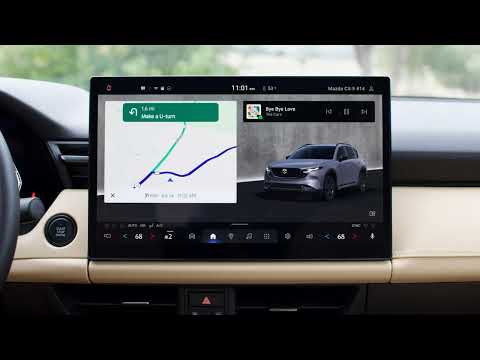
Mazda is shifting away from its signature rotary controller in favor of a large touchscreen for the 2026 CX-5, marking a significant change in its infotainment approach. For over a decade, the company championed the controller knob as a safer, more intuitive way to manage in-vehicle systems. Now, it’s being replaced.
The move isn’t about abandoning driver focus, however. According to Matthew Valbuena, Mazda’s project manager of in-vehicle technologies, the new Mazda Connect with Google Built-In still prioritizes minimizing distractions. The change reflects how rapidly car infotainment has evolved since Mazda first introduced its rotary system in 2013 – before Android Auto and Apple CarPlay were widely adopted.
Why the Change? Flexibility and Familiarity
The core reason for the shift is the desire for greater flexibility. The older rotary system struggled to adapt to the growing number of touchscreen-based apps and features. “Trying to control that great variety of apps with a singular command knob would be very difficult,” Valbuena explained. Google Built-In offers access to over 350 in-vehicle apps, and Mazda wants to ensure its hardware doesn’t limit the vehicle’s capabilities.
Another key factor is consumer familiarity. With the majority of drivers already using touchscreens on their smartphones, Mazda aims for a more intuitive experience. The goal is to avoid a steep learning curve and let drivers “jump in and go,” rather than needing to consult a thick owner’s manual.
How Mazda Keeps Safety in Mind
Despite the move to a touchscreen, Mazda isn’t abandoning its commitment to driver safety. The new system integrates multiple control methods:
- Steering wheel buttons: Dedicated controls for the 360-degree camera, M-Drive, and media source selection.
- Voice recognition: Enables hands-free operation for many functions.
- Pinned HVAC controls: The climate controls are always accessible at the bottom of the touchscreen.
Mazda compares the transition to the evolution from the iPod Classic to the iPod Touch. Both perform similar tasks, but the Touch offers greater functionality and adaptability.
What’s Next?
While Mazda isn’t confirming whether this system will roll out to other models, it expects consumer demand will drive further adoption. The company plans to continue offering both Mazda Connect and Mazda Connect with Google Built-In for the foreseeable future, giving customers a choice.
“Consumer sentiment will bolster the demand for this to propagate through the lineup,” Valbuena said, indicating confidence in the new system’s appeal.
The 2026 CX-5 is a testing ground for Mazda’s future infotainment strategy, and the company believes this shift will align it with evolving consumer expectations while maintaining its focus on driver safety.