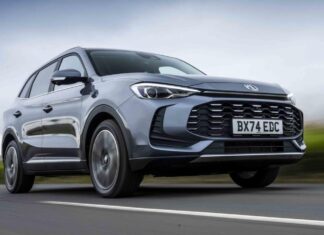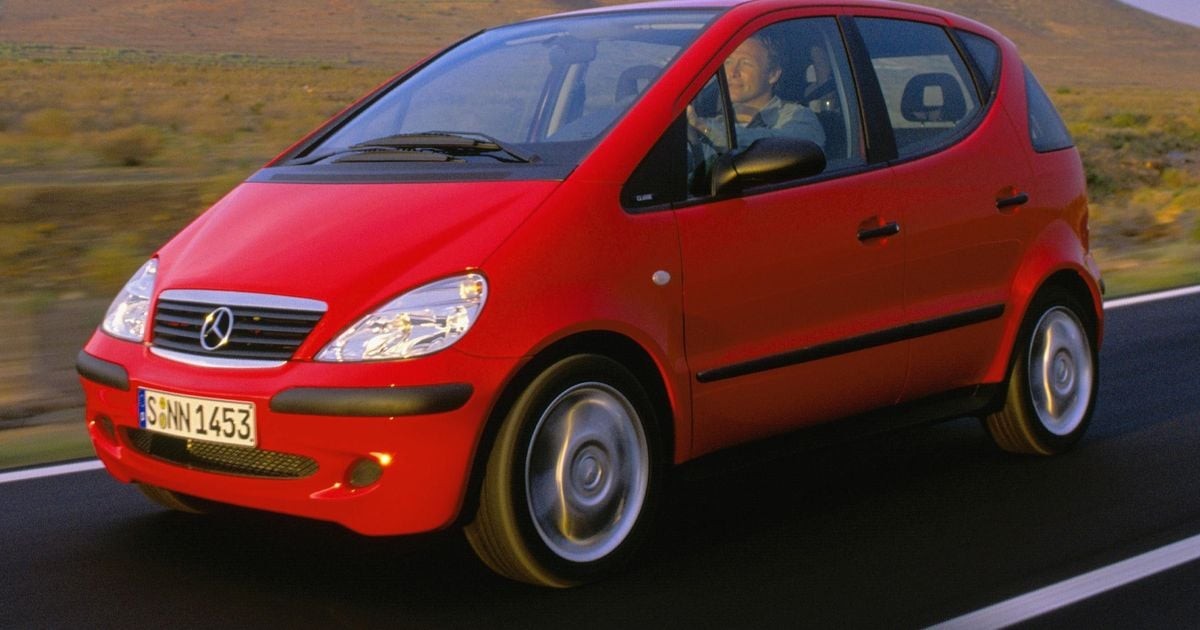
Mercedes-Benz is reportedly reimagining the next-generation A-Class, moving away from the traditional hatchback format toward a more versatile design that combines elements of SUVs and compact people movers. This shift reflects a broader corporate strategy to streamline entry-level models while focusing on higher-margin vehicles.
Strategic Shift and Platform Integration
The decision to revamp the A-Class comes after initial plans to discontinue the model in 2026 were reversed. Instead, the current A-Class will remain in production until 2028, giving Mercedes-Benz time to develop the fifth-generation version. The new model will utilize the MMA platform, which currently supports the CLA sedan, GLA, and GLB SUVs, enabling both combustion and electric powertrains.
Regional Tailoring and Design Philosophy
Mercedes-Benz is adopting a regionalized approach to body styles on the MMA platform. The CLA caters to American preferences with its sedan configuration, while extended-wheelbase variants are specifically designed for the Chinese market. The new A-Class will offer a compact, spacious option tailored for European consumers.
Echoes of the Original A-Class
This design direction signals a return to the A-Class’s radical origins. The first-generation A-Class, launched in 1996, was a uniquely tall and short vehicle that maximized interior space despite its small 3.7-meter length. Mercedes-Benz claimed it offered comparable space to the larger C-Class, thanks to its innovative sandwich floor design and an angled four-cylinder engine.
Transition from Innovation to Convention
The original A-Class’s sandwich floor platform was abandoned in 2012 with the third-generation model, which adopted a conventional front- and all-wheel drive layout. The upcoming fifth-generation A-Class represents a deliberate move away from this conventional approach, blending SUV practicality with the compact versatility that defined the model’s early years.
This shift underscores Mercedes-Benz’s willingness to experiment with form and function, responding to market demands while acknowledging the A-Class’s legacy as a groundbreaking vehicle.
The new A-Class is likely to fill the gap left by the discontinued B-Class, offering a unique blend of utility and space in a shrinking segment of compact vehicles.