For nearly eight decades, American muscle cars have embodied power, style, and a rebellious spirit. Born from a simple formula—a large V8 engine in a two-door, rear-wheel-drive American coupe—these vehicles have evolved from raw performance machines to cultural icons. The rivalry between manufacturers like Chevrolet, Chrysler, Dodge, and Ford has fueled decades of innovation, resulting in some of the most legendary cars ever built.
The Genesis of Power: Early Muscle Cars
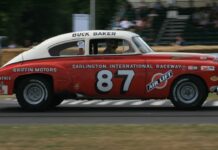
The muscle car’s story began in the late 1940s when Oldsmobile dared to drop a V8 engine into a chassis designed for a smaller six-cylinder. This unorthodox move sparked a trend, with the 1957 Rambler Rebel proving that V8 power could dominate drag strips—a uniquely American motorsport tradition. By the 1960s, automakers embraced the “win on Sunday, sell on Monday” mentality, pushing power outputs toward and beyond 500 horsepower.
However, this era of unrestrained performance was short-lived. The 1973 fuel crisis and the introduction of the Clean Air Act in the 1970s forced manufacturers to prioritize efficiency and emissions, temporarily sidelining the muscle car’s dominance. These early machines were not known for their braking or handling abilities, but their sheer power was undeniable.
Cultural Icons and the Muscle Car’s Revival
The muscle car’s image became deeply ingrained in popular culture through films and television. The Ford Mustang in Bullitt, the Pontiac Trans Am in Smokey and the Bandit, and the Dodge Charger in The Dukes of Hazzard cemented these cars as symbols of freedom and rebellion. Much like the hot hatches that would emerge later in Europe, muscle cars democratized performance, making high horsepower accessible to a broader audience.
After a period of decline, the muscle car scene experienced a revival in the early 2000s. Pontiac reintroduced the GTO, followed by Chrysler’s 300C and Dodge’s Charger, all embodying modern takes on classic designs. Today, updated versions of the Dodge Charger, Dodge Challenger, Chevrolet Camaro, and Ford Mustang continue the tradition, blending retro styling with modern power.
The Top 10 Muscle Cars of All Time
Here’s a look at some of the most iconic muscle cars ever produced:
- Pontiac GTO (1964) : Often considered the original muscle car, setting the standard for performance and style.
- Ford Mustang Dark Horse (2026) : The latest in a long line of high-performance Mustangs, blending tradition with modern technology.
- Chevrolet Chevelle SS 454 (1970) : A brutal and iconic muscle car known for its massive horsepower and aggressive styling.
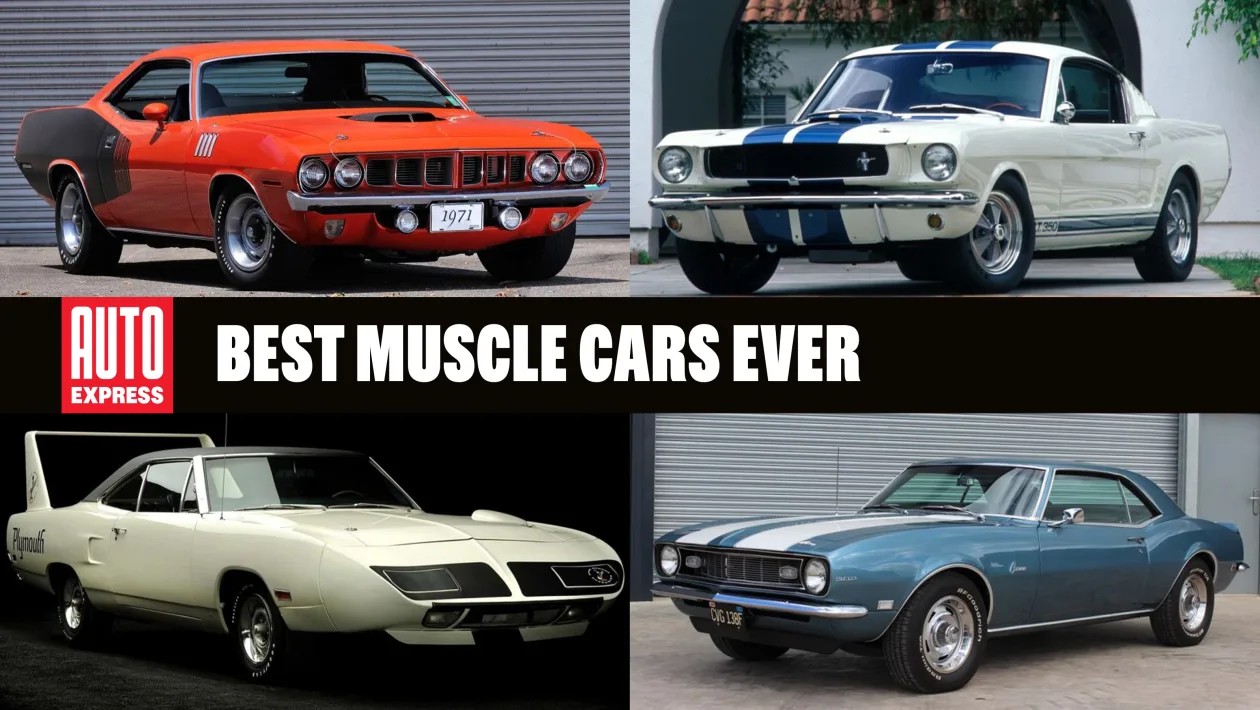
- Plymouth Road Runner Superbird (1970) : An aerodynamic masterpiece built for NASCAR domination, now a highly sought-after collector’s item.
- Chevrolet Camaro Z/28 (1967) : A lightweight and agile performer that dominated Trans-Am racing.
- Oldsmobile Rocket 88 (1949) : The car that arguably started it all, proving that a V8 could transform a standard vehicle into something special.
- Shelby Mustang GT-350 (1965) : Carroll Shelby’s masterpiece, taking the Mustang to the next level with enhanced performance and handling.
- Ford Fairlane Thunderbolt (1964) : A factory drag racer built for one purpose: straight-line speed.
- Dodge Challenger Hellcat (2015) : The modern embodiment of muscle car excess, packing over 700 horsepower under the hood.
- Plymouth Hemi ‘Cuda (1971) : One of the most collectible muscle cars ever made, known for its rare Hemi engine and striking design.
The American muscle car remains a cultural force, representing a legacy of power, performance, and freedom. Whether it’s a classic from the 1960s or a modern interpretation, the spirit of the muscle car endures.