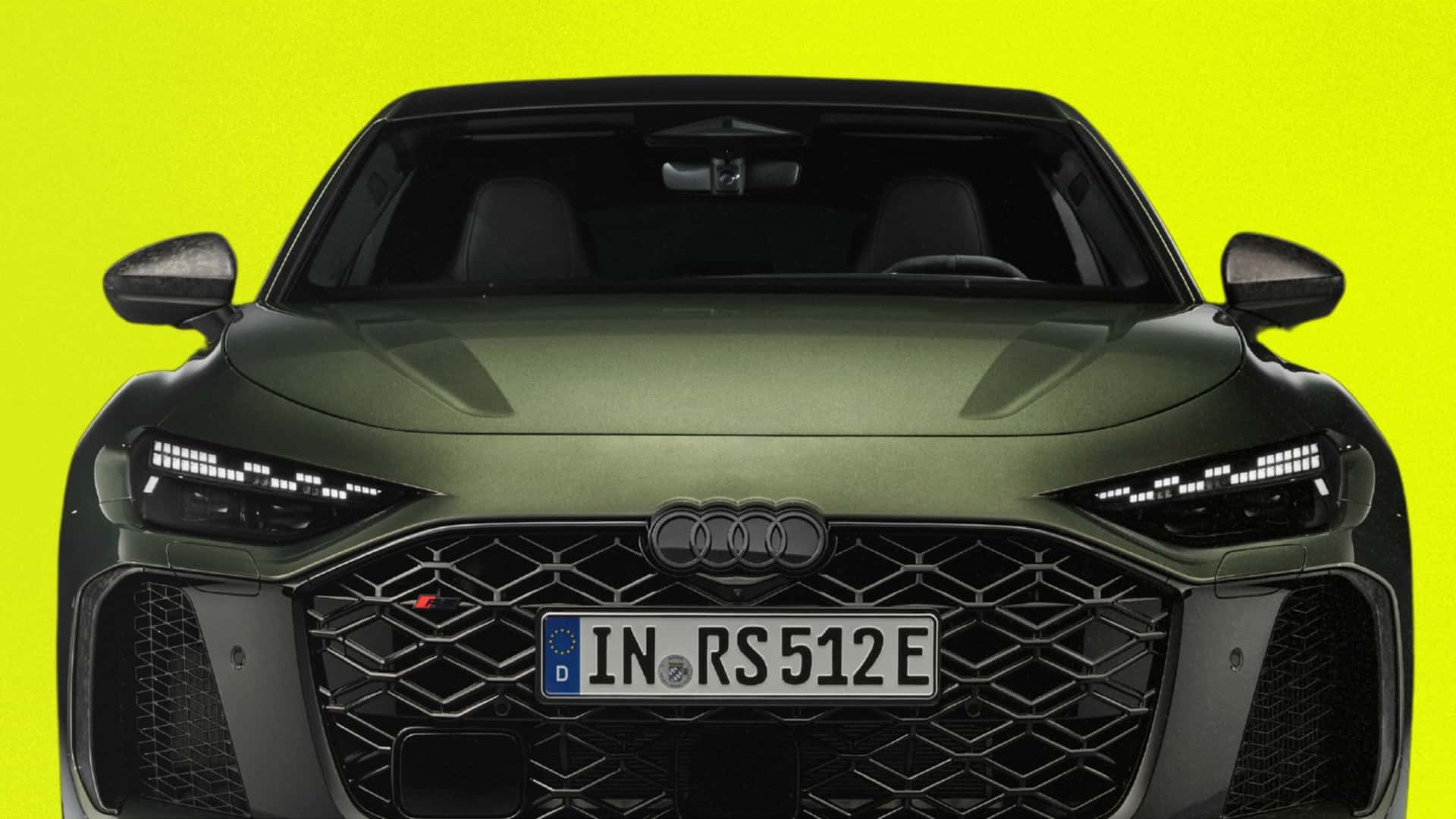
Modern performance cars are getting heavier, and the latest Audi RS5 – tipping the scales at 5,192 pounds – is a prime example. This isn’t an isolated case; vehicles like the BMW M5 and Mercedes-AMG GT63 S E Performance have also faced criticism for their excessive weight. This trend raises a key question: why are performance cars becoming so bloated, and what exactly contributes to this mass?
The answer lies in a complex interplay of safety standards, feature creep, and the demands of modern powertrain technology. While manufacturers prioritize performance, they also must comply with increasingly stringent crash regulations, adding significant structural reinforcement. At the same time, luxury features like massaging seats, advanced infotainment systems, and extensive sound insulation all contribute to the overall weight. Finally, hybrid and electric drivetrains, while improving efficiency, often add hundreds of pounds in battery packs and electric motors.
Breaking Down the Weight: A Component-by-Component Analysis
To understand where all this weight comes from, we can dissect the RS5’s construction:
- Body and Chassis (approx. 1,100 lbs): Modern car bodies prioritize crash safety, using high-strength steel and aluminum structures. While lighter materials are employed, the sheer size and reinforcement needed for modern crash standards add weight.
- Interior and Electronics (approx. 750 lbs): Luxury features like heated, cooled, and adjustable seats, premium upholstery, and advanced infotainment systems contribute significantly. Even sound insulation adds noticeable mass.
- Wheels, Tires, and Brakes (approx. 362 lbs): Large 20-inch wheels and tires, coupled with high-performance braking systems (including carbon ceramic options), add substantial weight.
- Suspension (approx. 700 lbs): Air suspension, active sway bars, and robust suspension components are essential for handling but contribute to the overall mass.
- Hybrid System and Drivetrain (approx. 1,070 lbs): The RS5’s plug-in hybrid system, including a 25.9-kWh battery pack, electric motors, and a complex all-wheel-drive system, is a major weight contributor.
- Engine (approx. 1,000 lbs): The twin-turbo V6 engine, complete with cooling systems, exhaust manifolds, and supporting hardware, adds significant mass.
The Ripple Effect of Weight Gain
The added weight doesn’t just affect performance numbers; it also influences design choices. Heavier cars require stronger brakes, more robust suspension components, and larger tires, creating a vicious cycle where increased weight necessitates even heavier components. This is why the RS5 now weighs over 1,400 pounds more than its predecessor.
The trend toward heavier cars is driven by the demands of modern engineering, where performance, safety, and luxury are often at odds with minimizing weight. While manufacturers continue to explore lightweight materials and technologies, the reality is that modern performance cars are becoming heavier, and this trend is likely to continue.
Ultimately, the RS5’s 5,192-pound curb weight isn’t just a number; it’s a symptom of a broader industry shift toward more complex, feature-rich, and heavily regulated vehicles.