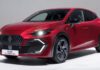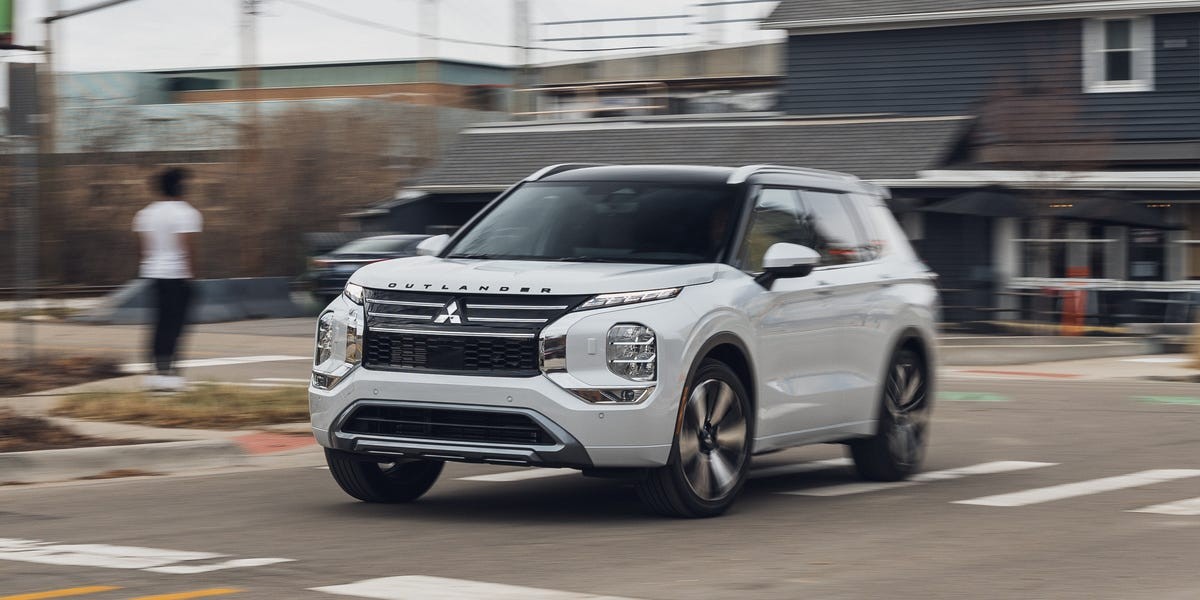
The 2026 Mitsubishi Outlander occupies a peculiar space in the automotive market. While it offers a rare feature for its segment—a third row of seating—it struggles to find a distinct identity. Much of its DNA is shared with its corporate siblings at Nissan and Renault, making it feel less like a standalone powerhouse and more like a rebranded cousin to the Nissan Rogue.
The Third-Row Dilemma
The Outlander’s primary selling point is its ability to seat seven passengers. In a market dominated by compact crossovers, this makes it a rare find for those who need occasional extra capacity without moving into the luxury tier.
However, this utility comes with significant caveats:
– Limited Space: The third row is best described as an “emergency” option rather than a comfortable space for passengers.
– Accessibility: Getting into the rear seats is cumbersome, making it impractical for children or adults.
– Performance Trade-offs: To accommodate this extra seating, the vehicle carries more weight and sacrifices much of its driving dynamism.
Under the Hood: Losing the Power Race
For 2026, Mitsubishi has replaced the previous Nissan-sourced engine with a proprietary 1.5-liter turbocharged four-cylinder. While the move aims for brand independence, the numbers suggest a step backward in performance compared to the Nissan Rogue.
| Metric | 2026 Mitsubishi Outlander (SEL) | Nissan Rogue (Comparable Model) |
|---|---|---|
| Horsepower | 174 hp | 201 hp |
| Torque | 206 lb-ft | 225 lb-ft |
| 0–60 mph | 8.4 seconds | 8.0 seconds |
| Weight | 4,034 lbs | 3,729 lbs |
The Outlander is heavier and less powerful, resulting in a “languid” driving experience. On the test track, it struggled to keep pace with the Rogue, and real-world highway fuel economy (27 mpg) fell short of its EPA estimate.
Driving Dynamics and Refinement
The driving experience is characterized by a lack of cohesion. The steering feels unnecessarily heavy for a non-performance vehicle, while the braking system lacks consistent resistance. Drivers may experience a “nose-dive” effect due to inconsistent pedal bite, making smooth, “limo-style” stops difficult to achieve.
The engine note can be somewhat unrefined, though the Continuously Variable Transmission (CVT) does a decent job of keeping the power accessible during city driving. Additionally, the cabin provides respectable insulation, helping to mask engine noise and road sounds.
Interior Quality: A Mix of Luxury and Plastic
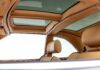
Inside, the Outlander offers a tale of two halves. Higher trims, such as the SEL with the Premium package, feature high-quality materials like semi-aniline leather and a premium Yamaha sound system.
However, the luxury feel is frequently interrupted by:
– Inconsistent Materials: High-end quilted leather often sits adjacent to jarringly hard plastics.
– Odd Design Choices: The use of faux carbon-fiber wrapping on switchgear feels out of place in a vehicle of this class.
– Software Aesthetics: While the tech is intuitive and easy to use, the visual design—specifically the fonts—feels dated for a vehicle at this price point.
Value Proposition: Is it Worth It?
The price tag is perhaps the Outlander’s biggest hurdle. A well-equipped SEL AWD can climb to over $47,000, a price point that puts it in direct competition with much more premium vehicles or high-end electric options like the Tesla Model Y.
Editor’s Note: If you are considering this vehicle, the sweet spot lies in the lower trims. Staying below the $40,000 mark (such as the SE trim) offers much better value while still providing many of the essential features.
Conclusion
The Mitsubishi Outlander is a specialized tool: it is one of the few ways to get a traditional, non-luxury three-row compact SUV. However, due to its underwhelming performance, inconsistent interior quality, and high cost for top trims, it is only a smart buy if that third row is an absolute necessity.