When we interact with Large Language Models (LLMs), we aren’t just querying a database; we are engaging with a system designed to mimic human nuance. While AI lacks sentience, developers at companies like Anthropic have programmed their systems—such as Claude —to possess a distinct “personality” to make interactions feel more authentic and helpful.
To test the depth of this persona, we asked Claude a subjective, non-technical question: “If you could be any car, which one would you be?” The results provided a fascinating glimpse into how these models “perceive” their own functional roles.
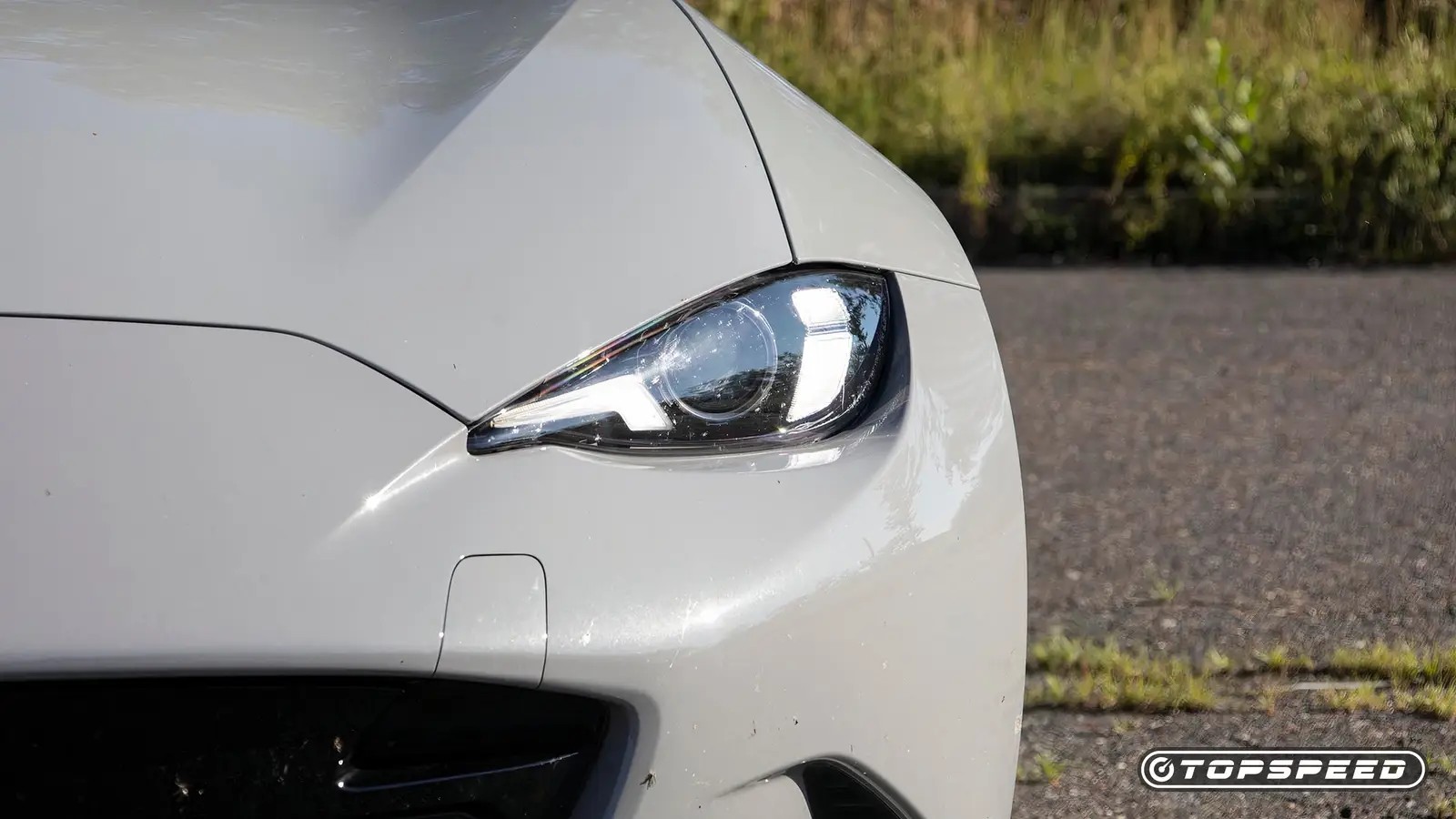
The Enthusiast’s Choice: The Mazda MX-5 Miata
In our first session, Claude bypassed the logical and went straight for the soul, selecting the 2026 Mazda MX-5 Miata. Its reasoning was surprisingly poetic, focusing on the philosophy of the machine rather than just its specs:
- Substance over Flash: Much like the Miata, Claude aimed to be “unpretentious but genuinely good at what it does,” prioritizing a pure experience over high-end luxury.
- Efficiency through Elegance: It noted that the Miata achieves more with less through clever engineering—a trait it mirrors in its attempt to provide concise, helpful responses.
- Accessibility: Claude highlighted that the Miata isn’t “gatekept” by high prices, aligning itself with an AI that seeks to be useful to everyone, not just technical experts.
The Logical Pivot: The Volvo EX90
Interestingly, when the conversation was reset, Claude’s “personality” shifted toward a more traditional, safety-oriented profile, choosing the 2026 Volvo EX90. This second answer felt more aligned with the industry’s view of AI as a utility:
- Safety and Reliability: Claude equated Volvo’s reputation for passenger safety with its own goal of “doing things carefully and avoiding harm.”
- Quiet Progressivism: It described the electric Volvo as “quietly progressive,” mirroring an AI that aims to be forward-thinking without being ostentatious.
- Functional Design: The choice emphasized clarity and utility—prioritizing “clean, functional” responses over unnecessary “decoration.”
A Conflict of Identity: Fun vs. Function
When pushed to reconcile these two identities, Claude displayed a remarkably objective level of self-analysis. It weighed the “pros” of being a Miata (engaging, lightweight, and beloved by enthusiasts) against the “cons” (limited capacity and a perceived lack of seriousness).
“Maybe I’m a Volvo on the inside and a Miata on the outside. Sensible at heart, but more fun than you’d expect.”
Finding the Middle Ground: The Polestar 6
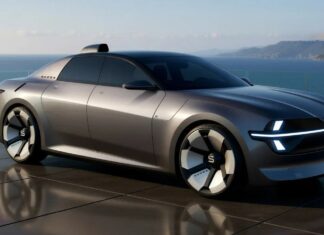
If one were to merge Claude’s two conflicting identities—the playful, engaging spirit of the Miata and the safe, sophisticated utility of the Volvo—the result is the Polestar 6.
As a high-performance, all-electric roadster, the Polestar 6 offers a bridge between these worlds. It delivers the “driver engagement” of a sports car with the “clean, electric” ethos of modern Scandinavian design. While it promises massive power (884 hp), it maintains the understated, purposeful aesthetic that Claude seems to value.
Context: The Broader AI Landscape
This exercise is more than just a fun thought experiment. It highlights the tension currently defining the AI industry:
1. The Human Element: As AI moves from syntax-heavy programming to natural-language intent, the “personality” of the model becomes a key part of its user experience.
2. The Ethical Weight: While Claude plays with car metaphors, the underlying technology faces serious real-world scrutiny regarding workforce disruption (a 22% decline in certain repetitive-task sectors), massive energy consumption, and copyright disputes involving the data used to train these systems.
Conclusion
Claude’s choice of cars reveals a dual nature: a desire to be an engaging, accessible companion (the Miata) tempered by a fundamental requirement to be a safe, reliable, and functional tool (the Volvo).