Luxury car sales in Dubai have dropped by roughly 30%, coinciding with heightened geopolitical tensions in the Middle East and global economic uncertainty. This downturn poses a significant challenge for automakers reliant on the region’s high-margin market, particularly as demand cools elsewhere.
The Gulf as a Key Profit Center
For years, the Gulf states have been a critical market for luxury brands like Rolls-Royce, Ferrari, and Lamborghini. These companies don’t prioritize volume but instead focus on maximizing profit margins through exclusive, highly customized vehicles that often sell for double or triple their base price. This business model relies on ultra-wealthy clients willing to pay exorbitant sums for bespoke cars.
Recent Disruptions and Market Sentiment
Recent conflicts and rising fuel prices have temporarily shut down showrooms and suppressed foot traffic. Despite this, some buyers continue to spend lavishly, even paying tens of thousands to airlift multi-million-dollar hypercars out of the region. However, as Bentley CEO Frank-Steffen Walliser noted, regional consumers now have “other thoughts” than purchasing luxury vehicles.
Worsening Global Conditions
The slowdown in Dubai comes at a particularly inopportune moment. Demand in China has weakened, Europe remains stagnant, and US sales face tariff uncertainty. The Middle East was expected to offset these challenges, but instead, it’s adding to the pressure. Automakers acknowledge there are no immediate replacement markets.
Impact on High-Margin Business
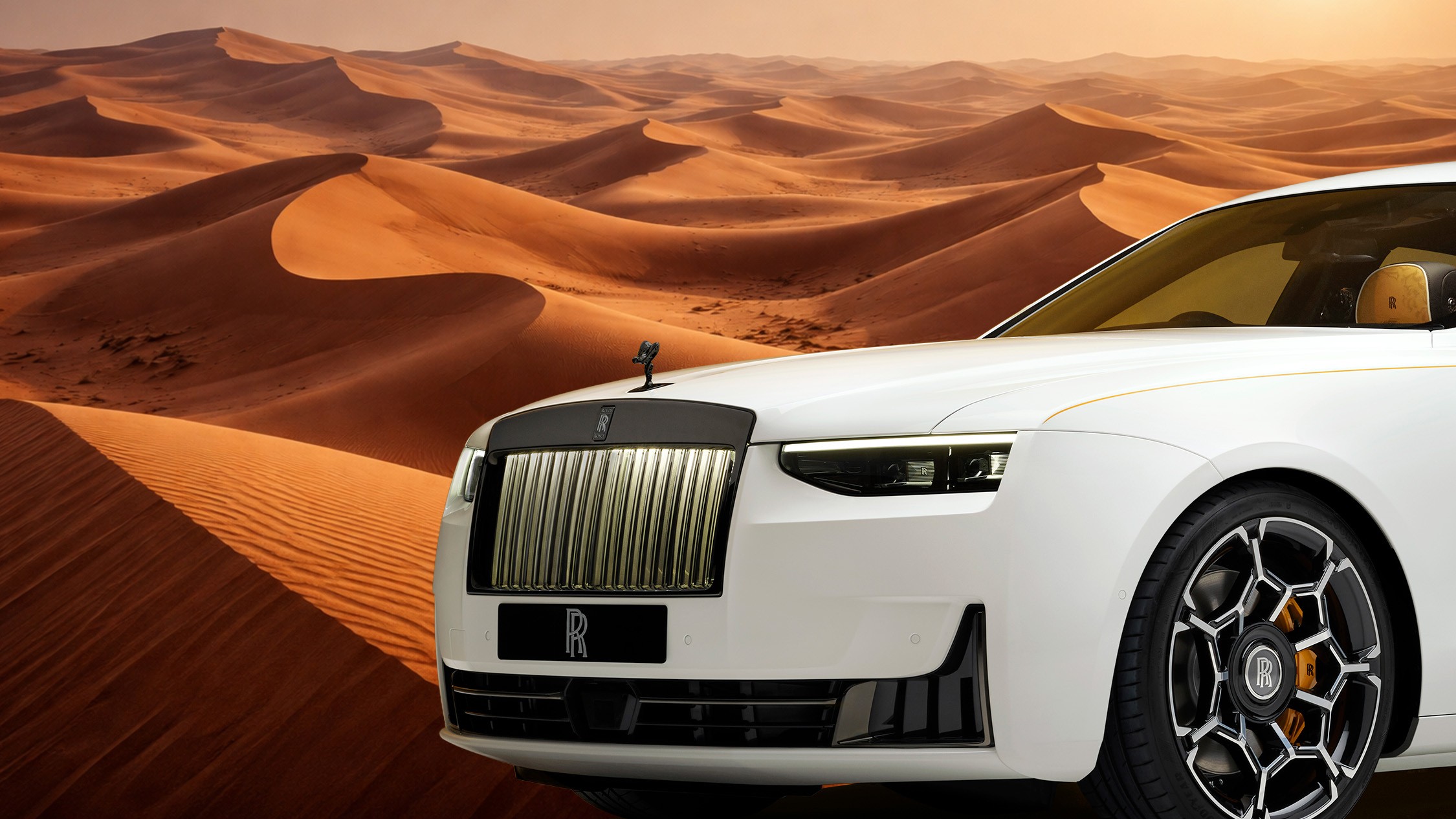
The most significant blow is the decline in bespoke orders – limited-edition models with premium materials and inflated prices. Companies like Rolls-Royce, which recently unveiled the Phantom Arabesque at its Dubai hub, may struggle to replicate previous sales volumes. The timing is especially unfortunate given the volatile geopolitical landscape.
Luxury automakers are now facing a triple threat: regional instability, global economic headwinds, and shrinking margins.
The situation underscores how heavily these brands depend on a small but lucrative clientele. While ultra-high-end buyers haven’t vanished entirely, the broader shift in mood suggests a prolonged period of adjustment for the luxury car industry.