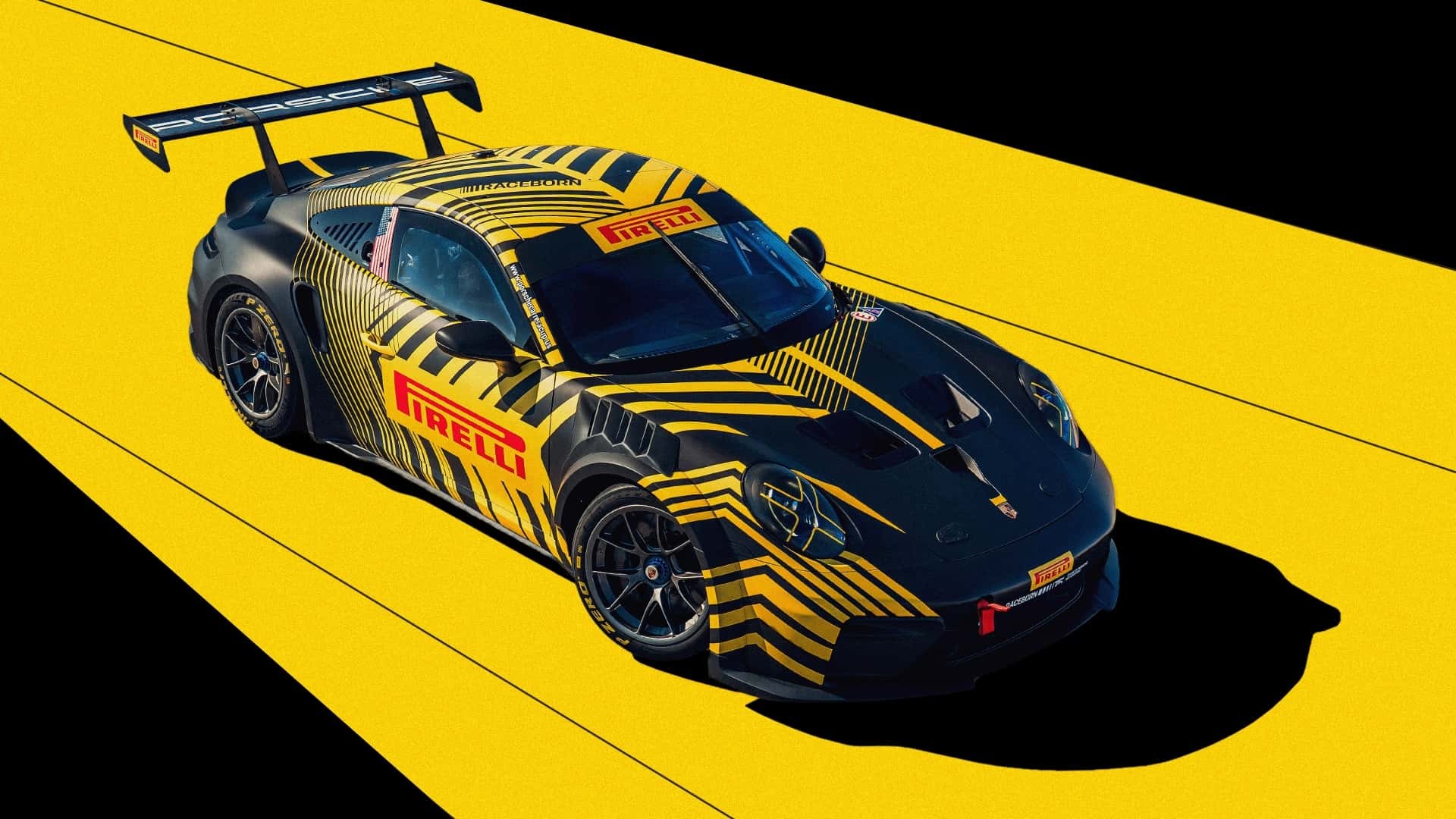
The latest Porsche 911 Cup isn’t just a minor update; it’s a focused evolution of a proven race car. While Porsche officially calls it the “911 Cup,” it remains fundamentally a GT3 designed for single-make racing, but now even more refined for performance and cost-effectiveness.
Power and Transmission
At the heart of the 2026 Cup is a 4.0-liter flat-six engine, now producing 520 PS (approximately 512 horsepower). This is a modest 10 PS increase over the previous model, paired with a six-speed sequential gearbox – a clear departure from Porsche’s dual-clutch PDK systems in road cars. The transmission includes an automatic restart function to prevent stalls, and the engine can even run on standard pump gas thanks to optimized mapping.
Cost Reduction Through Design
One of the most significant improvements isn’t about speed, but about practicality. Porsche has directly addressed the high costs of racing by making commonly damaged parts more affordable to replace. The front splitter is now a three-piece design, allowing teams to replace only the damaged section rather than the entire unit, significantly reducing shipping expenses. Daytime running lights have been moved to the headlights (borrowed from the road car) to minimize breakage. Even the rear wing endplates are now constructed from plastic instead of carbon fiber, another cost-saving measure. The car also retains compatibility with wheels from the previous 992.1 generation, reducing the need for new purchases.
On-Track Performance
Testing took place at the Porsche Experience Center near Los Angeles, with professional driver Patrick Long providing guidance. The Cup’s traction control (TC) system is a sophisticated motorsport tool, cutting power via the ECU rather than harsh braking to manage wheelspin. However, the car is so well-balanced that the TC may not even be necessary for many drivers. The Pirelli slicks provide exceptional grip and durability, maintaining performance even in rising temperatures.
The 911 Cup’s handling is noticeably sharper than its road-going counterpart. It dives into corners with greater precision, holds tighter lines, and allows for earlier throttle application. Porsche’s engineers have refined the chassis and suspension to minimize the traditional rear-weight bias, making the car more predictable and confidence-inspiring.
Driving Experience
The car’s behavior encourages a throttle-focused driving style. Drivers can initially apply steering input, then quickly return to full throttle, allowing the car to rotate through corners on power. The traction control system allows for adjustable slip thresholds without creating abrupt or frightening moments, making it a forgiving but capable platform.
Who is this car for?
The Porsche 911 Cup serves a dual purpose. For aspiring professional drivers, it’s an ideal stepping stone to GT3 racing, offering more power than GT4 Clubsport models at a relatively lower cost. For amateur racers and enthusiasts, it provides a competitive and engaging experience with readily available parts, widespread support, and a platform that is consistently refined. With over 1,000 units of the previous generation already in circulation, the 2026 Cup continues a successful formula.
The Porsche 911 Cup stands out because it doesn’t just race well; it’s designed to be raced often, by anyone from weekend warriors to pros. Its blend of performance, durability, and cost-consciousness makes it a cornerstone of single-make racing.