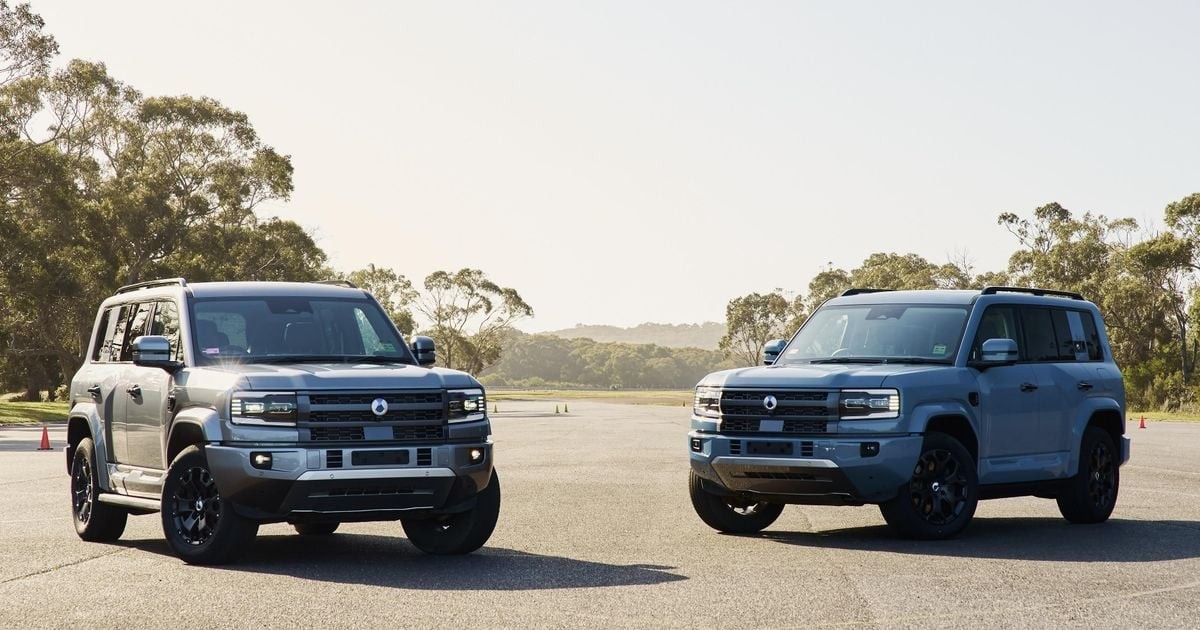
Denza, the luxury offshoot of Chinese auto giant BYD, is already attracting buyers away from established brands like Toyota, Lexus, and Range Rover, according to the company’s Australian leadership. The debut of Denza’s large B5 and B8 plug-in hybrid (PHEV) SUVs is triggering trade-ins of popular models, signaling a shift in the Australian market.
Challenging the Status Quo
Denza is intentionally positioned as a premium brand, similar to how Lexus operates under Toyota. The company’s pricing strategy directly targets mainstream and luxury competitors:
– The B5, starting at $74,990, competes with the Toyota Prado, which ranges from $73,200 to $100,690.
– The B8 challenges the larger LandCruiser 300 Series and Lexus LX, offering a more affordable alternative.
Early customer data confirms this strategy is working. Denza dealers report trade-ins including Toyota Prado and LandCruiser models, as well as luxury vehicles from Audi, BMW, and Range Rover.
“The cars that are being traded in are Prados, LandCruisers… Audis, BMWs, and some Range Rovers,” said Denza Australia chief Mark Harland. “That’s music to my ears.”
The Power of Value and Features
Denza’s success isn’t just about price. While positioned competitively against Toyota, the B5 offers a more powerful PHEV powertrain and advanced suspension systems (DiSus-P) in higher-spec variants. This gives Denza an edge in both luxury and off-road capability. The B8 also undercuts LandCruiser and Lexus LX pricing without sacrificing features.
Market Context and Expansion
This move is significant because Australia’s SUV market is dominated by Toyota and established luxury brands. In January 2026, the Prado sold 1,392 units, while the LandCruiser 300 Series moved 907. Denza’s challenge is to overcome these numbers and carve out a meaningful market share.
To accelerate growth, Denza is rapidly expanding its dealer network from five to twelve locations and will certify BYD dealers to service its vehicles. This aggressive retail strategy aims to build trust and accessibility in the Australian market.
Denza’s early traction suggests that consumers are willing to consider Chinese brands as viable alternatives to traditional luxury automakers. The company’s ability to maintain momentum will depend on its continued commitment to competitive pricing, advanced features, and a growing dealer footprint.