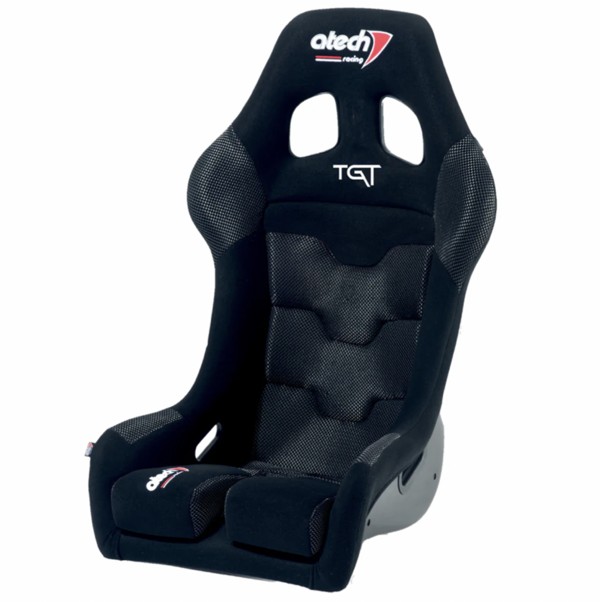
Upgrading a car often means chasing power or handling, but one of the most impactful changes is often overlooked: the driver’s seat. A well-chosen bucket seat isn’t just about comfort; it fundamentally alters how a car feels, improving control, support, and overall driving experience. For many, it solves basic annoyances like sliding around or aching backs after long drives.
Why the Right Seat Matters
Most factory seats are designed for broad appeal: easy entry, reasonable comfort, and suitability for daily driving. This means compromises. Once you drive with intent – braking hard, cornering aggressively – those compromises become obvious. The body moves too much, forcing drivers to grip tighter, brace against the wheel, or shift weight to stay stable.
A proper bucket seat fixes this by keeping the driver firmly in place. This allows for smoother inputs, less fatigue, and a more confident driving position whether on the road or track. The difference isn’t just felt – it’s measurable in reduced reaction times and increased control.
Road vs. Race: Choosing the Right Type
The first key decision is whether to go with a road-friendly bucket seat or a full-competition race seat.
Road bucket seats offer noticeably more support than standard seats while remaining practical for everyday use. Many feature reclining designs, making them ideal for cars that still see regular road miles. They provide a significant upgrade without feeling overly aggressive.
Race seats prioritize support and safety above all else. These fixed-back designs often include harness compatibility and are built for dedicated track days, rally cars, or serious motorsport. They’re not meant for casual driving – they’re tools for performance.
Sizing: The Most Common Mistake
Even the perfect seat on paper can feel wrong if the fit is off.
Too wide, and it won’t hold you securely. Too narrow, and discomfort sets in quickly. Height matters too, particularly if the seat has shoulder or head protection. Taller drivers need different shell shapes than shorter ones, and tight cockpits limit width options.
Measurements alone aren’t enough. If possible, test the fit before buying. Some competition seats cater to taller drivers or narrower interiors, while others are more versatile. Proper sizing is critical for maximizing support and minimizing fatigue.
Road Use, Track Days, and Motorsport: Different Standards
A road car with occasional track days doesn’t need a full FIA-approved race seat. However, if the car is built for regular competition, safety standards matter.
FIA-approved seats have expiry dates: 8855-1999 seats last 5 years, while 8855-2021 and 8862-2009 seats last 10. Motorsport governing bodies may also extend validity for certain seats. The takeaway is simple: buy for the intended use. A road car needs a different compromise than a competition car.
Installation Matters as Much as the Seat Itself
A great seat poorly installed will still feel wrong. Height, angle, reach to pedals, steering wheel position, and visibility all matter. Even small changes can dramatically affect how a car feels.
Think of a seat upgrade as a full setup, not just a single part. Proper mounting hardware is crucial for correct positioning and ensuring the seat performs as intended. Bundles that include seats, harnesses, and mounting hardware are often the best way to ensure a cohesive, functional cockpit.
The Bottom Line
A bucket seat upgrade can be transformative. It affects comfort, support, confidence, and the overall driving experience. For road drivers, it means a more planted and enjoyable ride. For track enthusiasts, it unlocks greater control and consistency.
The best choice isn’t always the most extreme one, but the one that fits the driver and the car properly. Get that right, and you’ll experience a level of connection and control that many other upgrades simply can’t match.