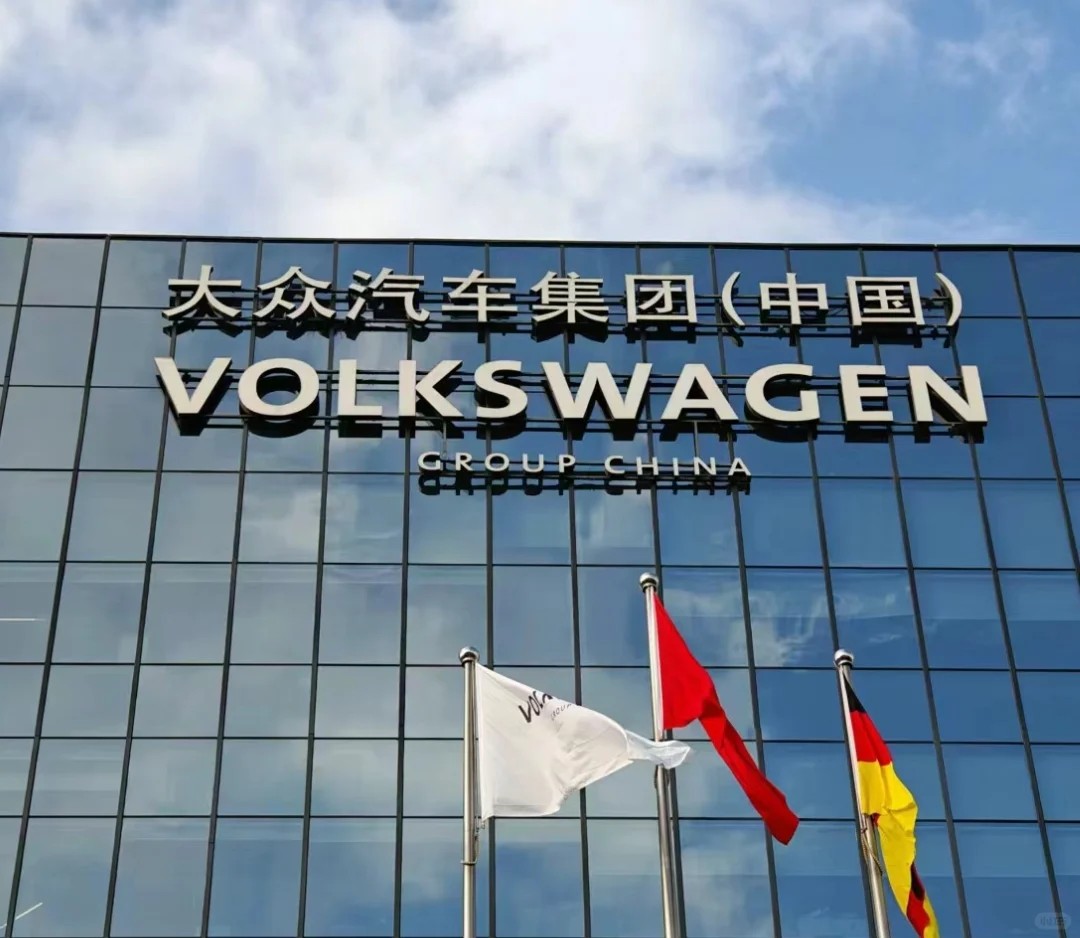
Volkswagen Group experienced an 8% year-over-year sales decline in China during 2025, delivering 2.69 million vehicles. Despite this decrease, the company retains its position as the leading foreign automotive brand in the world’s largest car market. This decline is significant because China is a key growth driver for global automakers, and losing ground there could impact long-term profitability.
Gasoline Vehicle Strength Masks EV Transition Challenges
While overall sales fell, Volkswagen’s gasoline-powered vehicles continue to perform well, maintaining over 22% market share with 2.57 million units sold. The Volkswagen Passat dominates the B-segment gasoline market, and Audi has regained its luxury leadership position with the A6L sedan. This indicates that demand for traditional combustion engines remains strong in China, even as global trends shift toward electrification.
However, Volkswagen is aggressively pushing into the electric vehicle (EV) sector. Global EV deliveries rose by 32% to nearly 983,100 units, now accounting for over 10% of the Group’s total sales. The company is clearly investing in future technologies, but the current balance suggests a difficult transition away from gasoline dominance.
Q4 Decline and R&D Investment Signal Strategic Shift
The fourth quarter saw a sharper 17.4% drop in Chinese deliveries, totaling 719,800 vehicles. This accelerated decline could be due to increased competition from domestic EV brands, which are rapidly gaining market share.
In November 2025, Volkswagen opened its first external R&D center in China, signaling a long-term commitment to localized innovation. This move is critical for adapting to the unique demands of the Chinese market and reducing reliance on German-based development cycles.
Electrification Plans for 2026-2030: An All-In Strategy
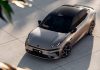
Looking ahead, Volkswagen plans an aggressive electrification push. By 2026, over 20 new all-electric, plug-in hybrid, and range-extender vehicles will launch in China, leveraging new platforms like the CMP and CEA. The goal is to expand this portfolio to over 30 electrified models by 2027 and nearly 50 new energy vehicles by 2030, with about 30 being fully electric.
This ambitious plan demonstrates Volkswagen’s recognition that the future of automotive sales in China will be electric. Whether the company can execute this strategy effectively remains to be seen, but the stakes are high, and the competition is fierce.
Volkswagen’s success in China hinges on its ability to accelerate EV adoption while maintaining gasoline vehicle sales in the short term. The next few years will be crucial for determining whether the company can retain its market leadership.