Renault is preparing to breathe new life into the Megane E-Tech, its electric crossover that has struggled to find a foothold in an increasingly crowded EV market. After four years of sales that fell short of high expectations, the French automaker is opting for a strategic refresh rather than a total redesign.
A Fresh Aesthetic Approach
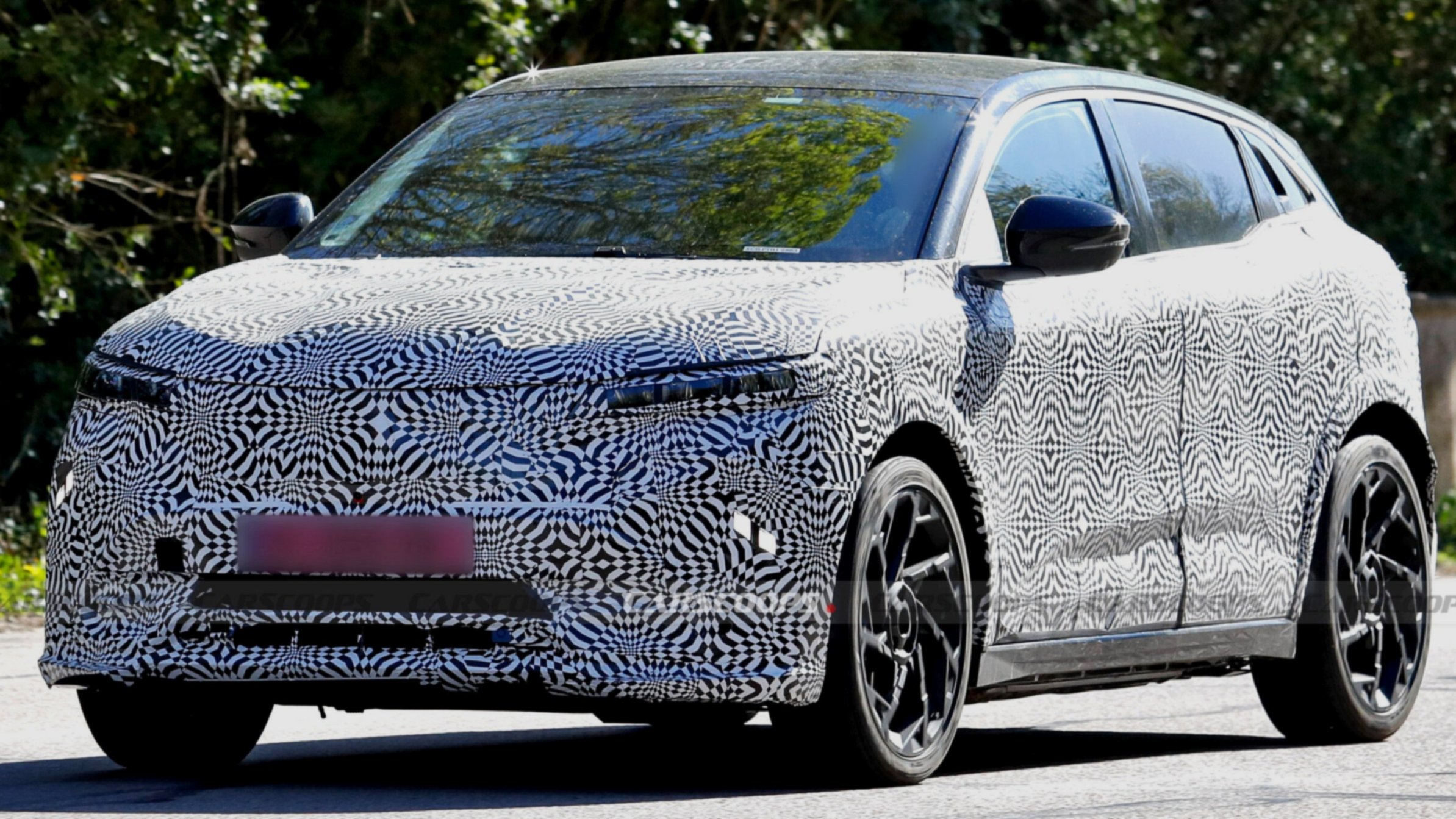
Recent sightings of a heavily camouflaged prototype suggest that the upcoming update will focus heavily on visual refinement. While the fundamental silhouette of the vehicle remains unchanged, several key design elements are set for an overhaul:
- Redesigned Lighting: The most noticeable changes appear in the light signatures. New LED daytime running lights are expected to give the front end a more modern look, while the rear will feature updated LED taillights.
- Bodywork Tweaks: The bumpers appear to have been reshaped, likely to align the Megane with Renault’s newer design language seen in the Symbioz and Scenic E-Tech.
This design alignment is crucial. As Renault expands its electric lineup, maintaining a cohesive “family look” across its SUV range helps build brand identity and makes the transition between models feel more seamless for consumers.
The Critical Question: Battery Capacity and Range
While cosmetic updates are helpful, the Megane E-Tech’s long-term success depends on what happens beneath the chassis. Currently, the model is limited by relatively small battery options:
- 40 kWh pack
- 60 kWh pack
For a vehicle in the compact SUV segment, these capacities are modest. To put this in perspective, Renault’s larger Scenic E-Tech utilizes an 87 kWh pack, providing a significant advantage in range and utility.
The Megane E-Tech is built on the AmpR Medium architecture, a versatile platform shared with Nissan models like the Ariya and the Leaf. Because this platform is capable of supporting much larger batteries (up to 90 kWh in some configurations), there is a strong technical possibility that Renault could increase the Megane’s capacity.
There are growing indications that Renault may source new battery technology from AESC, with production potentially based in France. Such a move would not only boost the vehicle’s current maximum range of 454 km (282 miles) but also strengthen Renault’s domestic supply chain.
Why This Matters
The electric SUV market is currently defined by a “range race.” Consumers are increasingly prioritizing long-distance capability and fast charging over initial purchase price. If Renault can leverage its shared architecture to offer a larger battery alongside a more modern design, the Megane E-Tech may finally be able to compete with the market leaders that have outpaced it since its debut.
In summary, Renault is attempting to turn the tide for the Megane E-Tech by combining a refreshed design with the potential for much-needed battery upgrades, aiming to transform a struggling model into a competitive EV contender.