Consumers often overlook a critical factor when buying a new vehicle: depreciation. While monthly payments and initial costs dominate discussions, the long-term financial impact of resale value is frequently ignored. A carefully chosen model might seem ideal initially, but a steep depreciation curve could wipe out a substantial portion of your investment—potentially costing you far more than alternative options that hold their value better.
This analysis focuses on luxury SUVs, a popular but volatile segment where depreciation can exceed 50% within just three years. Understanding these figures isn’t about avoiding these vehicles entirely, but about making informed decisions based on a realistic assessment of long-term costs.
The Depreciation Leaders: Ranked by Three-Year Loss
The following models are ranked from lowest to highest predicted depreciation, according to CarEdge data.
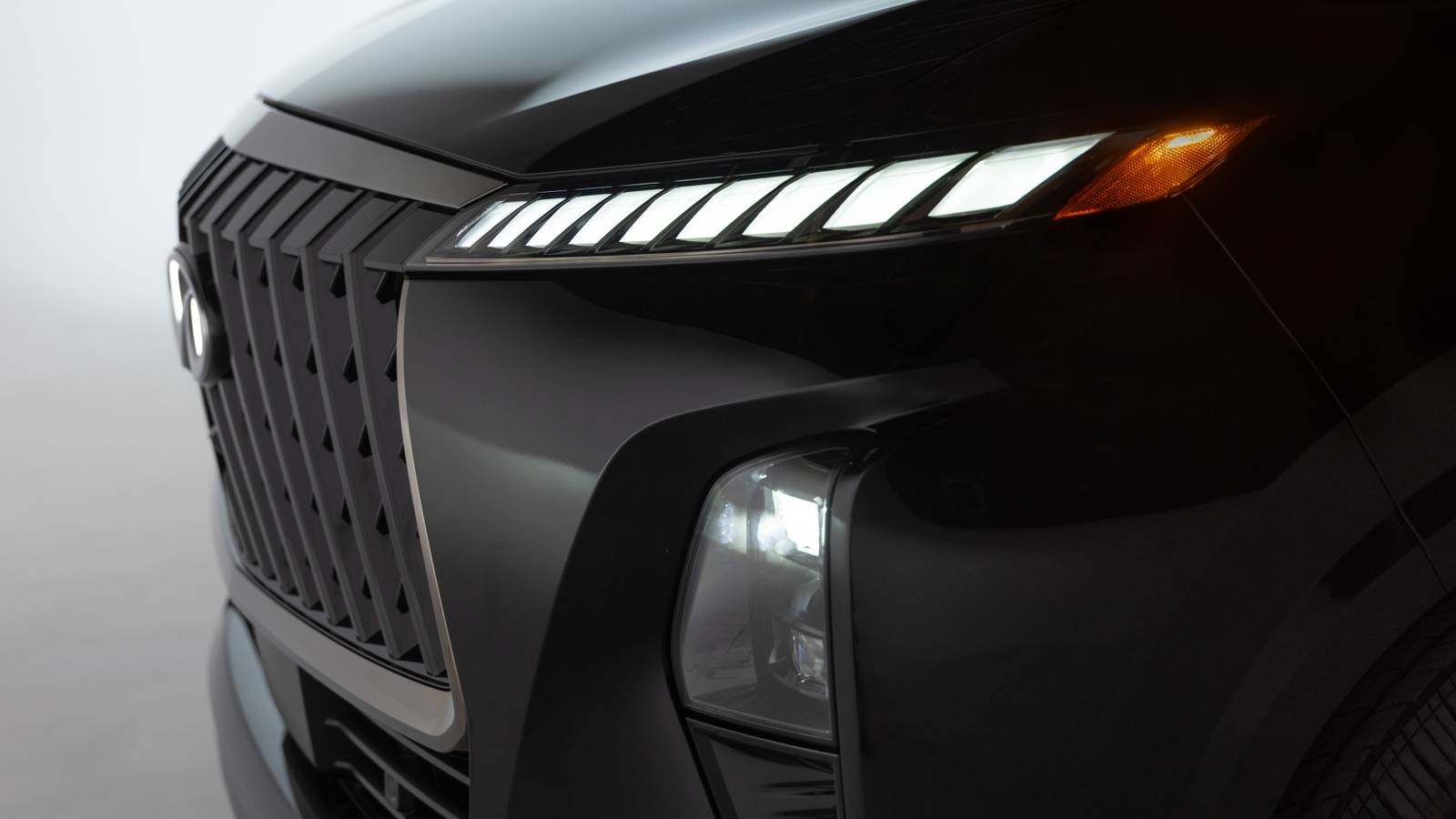
5. Infiniti QX80 (51% Depreciation)
The Infiniti QX80 depreciates by 51% over three years. While the initial investment is high—around $100,000—it’s relatively modest compared to other vehicles on this list. A three-year resale estimate of $48,680 means a significant loss, but it’s less severe than pricier ultra-luxury SUVs. The QX80 stands out for its comfort and spaciousness, offering optional eight-passenger configurations rarely found in competitors. Its twin-turbocharged V6 provides ample power, but the mass-produced nature and rapidly evolving technology contribute to its depreciation. Newer models quickly make older ones feel outdated, driving down resale values.
4. Jaguar I-Pace (53% Depreciation)
The Jaguar I-Pace is the most affordable vehicle on this list, depreciating by 53% in three years. This makes it the least financially risky choice among those listed in terms of absolute dollar loss. The rapid evolution of EV technology is a primary factor; newer models with increased range and improved features quickly overshadow older ones. Buyers prioritizing electric vehicles often demand the latest innovations, creating a constant cycle of obsolescence. The I-Pace prioritizes style over practicality, sacrificing cargo space and seating capacity for a sportier design.
3. Land Rover Range Rover (68% Depreciation)
The Land Rover Range Rover is synonymous with luxury, but its exclusivity comes at a cost: a 68% depreciation over three years. With some variants exceeding $200,000, the price alone limits resale potential. Land Rover’s reputation for reliability issues also contributes to lower confidence in the second-hand market. Electronic glitches, air suspension problems, and drivetrain failures deter buyers willing to pay a premium for a dependable vehicle. The high running costs of a powerful V8 engine add another layer of disincentive.
2. Maserati Levante (72% Depreciation)
The Maserati Levante depreciates by a staggering 72% after three years, translating to an average annual loss of roughly $36,000. Like the Range Rover, its high starting price and reliability concerns drive down resale values. The Levante’s niche appeal and aging platform exacerbate the issue. While the V8 engine delivers an exhilarating driving experience, the lack of significant updates since its 2016 introduction leaves it feeling outdated. The upcoming transition to electric models further devalues existing gasoline-powered versions.
1. Aston Martin DBX (75% Depreciation)
The Aston Martin DBX suffers the highest depreciation on this list: 75% over three years. With a price tag exceeding $250,000, the sheer cost limits its resale potential. Second-hand buyers can acquire comparable luxury and performance for half the price in newer models. A three-year depreciation of $192,972 is a substantial loss, but for those with the financial means, it may be a negligible trade-off for driving a high-performance luxury SUV.
Conclusion:
Luxury SUVs depreciate rapidly, with some models losing over half their value in just three years. Consumers should factor this into their purchase decisions, considering long-term costs alongside initial investments. While these vehicles offer prestige and performance, the financial implications of depreciation are significant, and buyers should weigh these risks carefully.