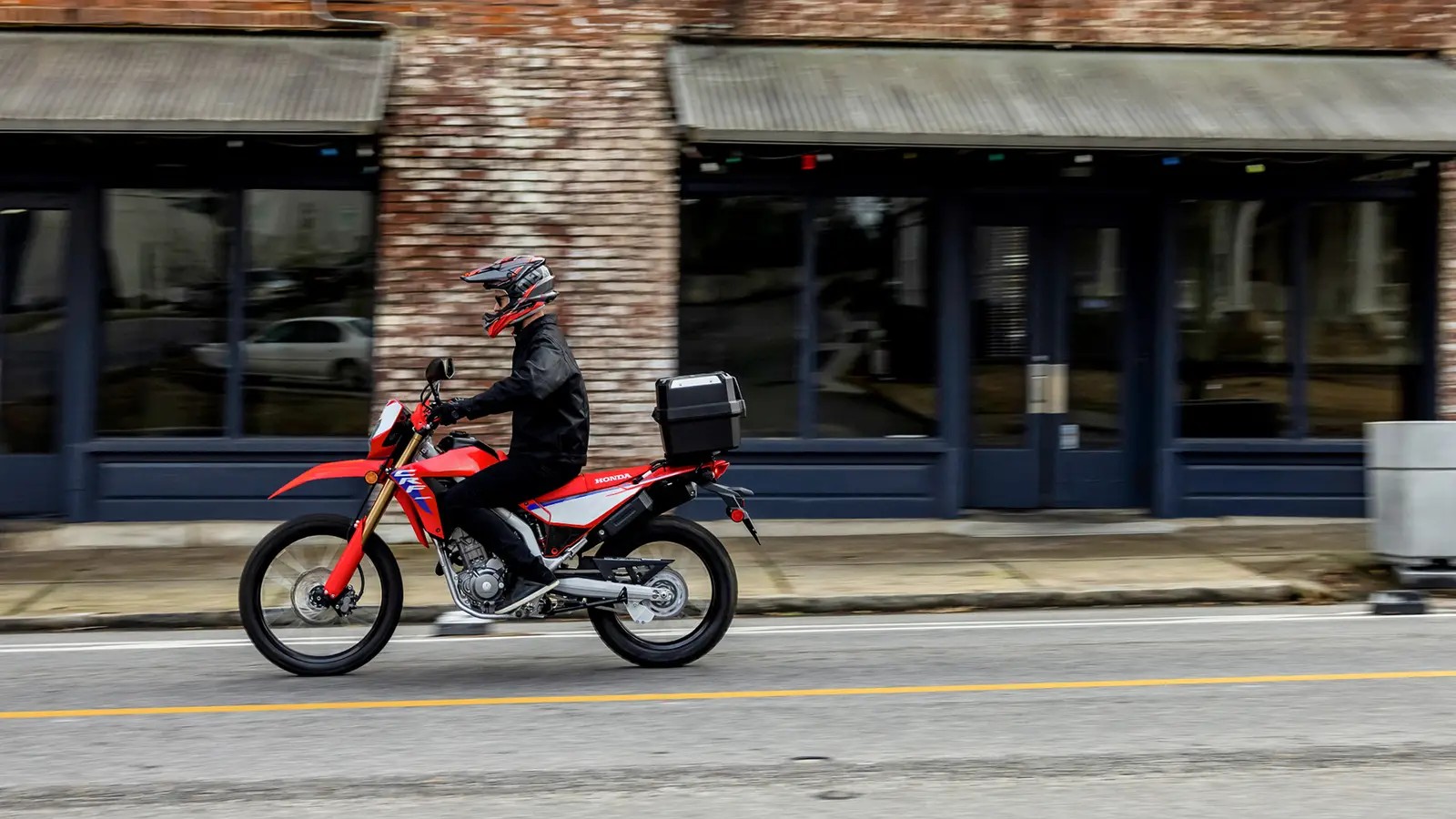
The broader motorcycle market is currently facing a downturn. In the United States, sales have dropped by 6.5% this year, following a 4.6% decline the previous year. While most segments are struggling, a quiet revolution is happening in the shadows of this slump: the rapid ascent of small-displacement adventure (ADV) bikes and dual-sports.
Unlike the heavy, high-performance cruisers or massive touring bikes of the past, these lightweight machines are finding success both in the wilderness and in the daily commute.
Breaking the “Small Bike” Stigma
For decades, a cultural barrier existed in the American motorcycle market. Many riders viewed small, entry-level motorcycles as mere “commuters”—tools for getting from point A to point B rather than instruments of leisure or passion. This led to a common, often misguided trend: new riders would skip the small, manageable bikes and jump straight onto massive, heavy motorcycles.
This approach often resulted in difficulty managing the weight and power of larger machines. However, the landscape has shifted due to a fundamental change in technology:
- Performance vs. Weight: Modern small-capacity engines are no longer “tepid.” They offer impressive power-to-weight ratios.
- The Utility Factor: Adventure bikes prioritize lightness for off-road capability, a trait that translates perfectly to urban environments where agility is key.
- The “Win-Win” Purchase: A lightweight ADV can be justified as a practical daily commuter while still serving as an emotional, fun weekend explorer.
From Niche Hobby to Global Trend
The DNA of the modern adventure segment can be traced back to the early 2000s, fueled largely by media like the documentary series Long Way Round. These programs ignited a global desire for exploration, turning niche off-road motorcycles into mainstream symbols of freedom.
The evolution of this segment has moved through several distinct phases:
- The Heavyweight Era: Led by icons like the BMW R 1150 GS, the market focused on large-displacement, high-cost machines that could go anywhere but were often intimidating and expensive.
- The Middleweight Shift: Manufacturers like Yamaha attempted to bridge the gap. The Tenere 700 brought adventure riding to a more accessible price point (under $10k), though it wasn’t without its flaws.
- The Lightweight Revolution: We are now seeing a “full circle” moment. Modern bikes, such as the KTM 390 Enduro R, act as hybrids—street-based platforms modified for light off-road use. This mirrors the very origins of the dual-sport concept from the 1950s.
High Tech, Low Weight
One of the most significant drivers of this trend is the democratization of technology. In the past, riders bought larger bikes to access premium features. Today, that gap has closed.
Modern 300cc to 400cc motorcycles now come standard with features once reserved for luxury touring bikes, including:
* ABS (Anti-lock Braking Systems)
* Traction Control
* Selectable Ride Modes
With weights often under 400 pounds and power outputs in the 30 to 40 horsepower range, these bikes offer a “sweet spot” for riders. They are fast enough for highway speeds and capable enough for technical trails, yet light enough to be maneuverable in city traffic.
A Shift in Rider Demographics
This trend isn’t just driven by beginners. A significant portion of the growth comes from experienced riders “downsizing” from heavy, cumbersome motorcycles. These veterans are discovering that a lighter bike is often more rewarding to ride both on the pavement and on the dirt.
As manufacturers prepare to release even more lightweight models next year, it is clear that the era of the “big, heavy motorcycle” is no longer the only path to freedom.
Conclusion: The shift toward small-displacement adventure bikes represents a move away from pure horsepower toward practical agility and technological accessibility. By offering a “win-win” of urban utility and off-road capability, these lightweight machines are redefining what it means to ride for freedom.