


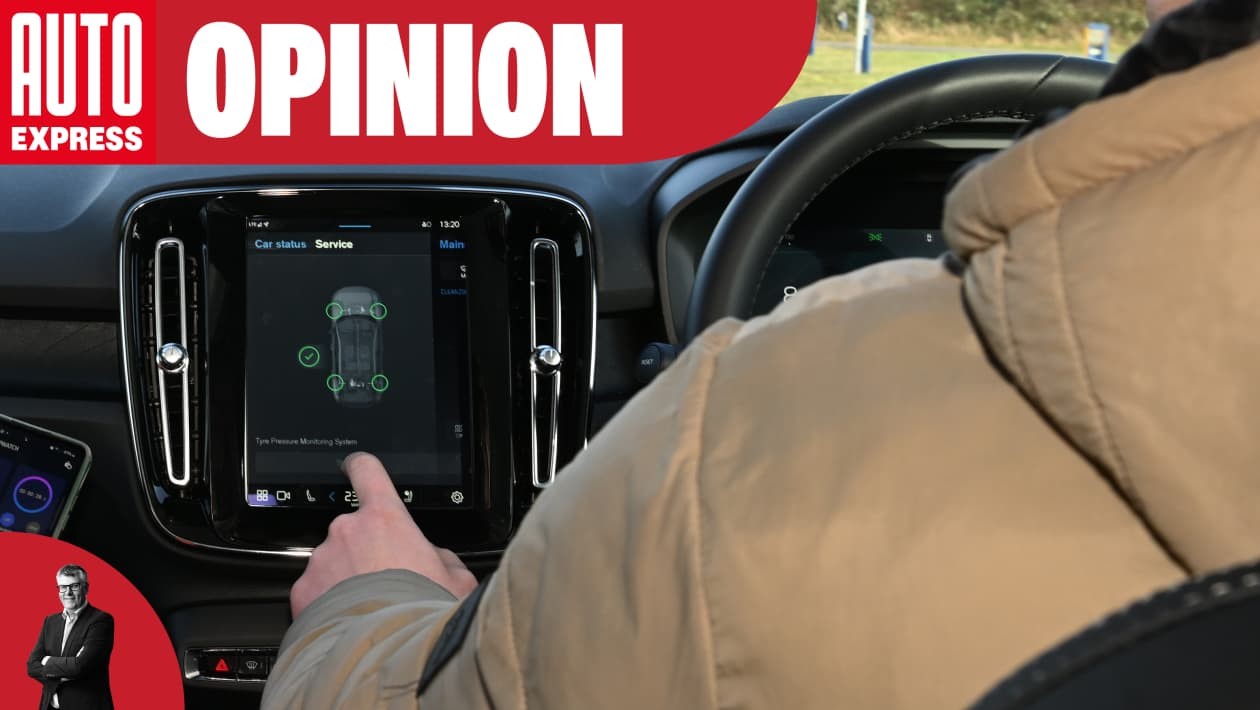
The debate over modern car touchscreens—and their often frustrating complexity—is likely over. While many drivers lament the loss of physical buttons, car manufacturers are doubling down on digital interfaces due to the power of over-the-air (OTA) updates. These updates enable continuous improvement and feature additions long after a vehicle leaves the factory, making physical controls obsolete in comparison.
The Rise of Digital Control
For years, drivers have enjoyed the tactile convenience of buttons and dials for essential functions like temperature, volume, and seat heating. Modern cars, however, increasingly rely on touchscreens to manage even the most basic settings. This shift has drawn criticism for forcing drivers to divert their attention from the road, creating a safety concern that manufacturers are aware of.
Why Buttons Are Being Phased Out
Volvo’s software engineers acknowledge that the industry may have gone too far in removing physical controls. But they also point to a fundamental advantage of digital systems: adaptability. Touchscreen functionality can be completely overhauled remotely, allowing manufacturers to respond to driver feedback, fix issues, or introduce new features overnight.
In contrast, a physical button remains fixed until the next model refresh—a change that doesn’t benefit existing customers. OTA updates provide an instant solution, ensuring a better user experience for everyone. As Anders Bell, Volvo’s chief engineering and technical officer, stated: “I agree that maybe we went over the top as an industry; I’m just concerned about the knee-jerk saying we need to go back to the 1990s, which is not the right answer.”
The Complexity of Modern Cars
The automotive industry is moving towards vehicles that are described as “the most complex consumer product known to mankind.” This complexity necessitates a flexible software platform, and touchscreens paired with OTA updates offer precisely that. Manufacturers are unlikely to reverse course, regardless of driver preference.
The question now is whether the convenience of continuous improvement and adaptability outweighs the loss of tactile control. For many, the answer may be yes—as long as the updates remain seamless and genuinely enhance the driving experience.
In conclusion, the future of car interfaces is digital, and while physical buttons may linger in some high-end models, touchscreens are here to stay because they represent the only viable path towards a constantly evolving vehicle.


