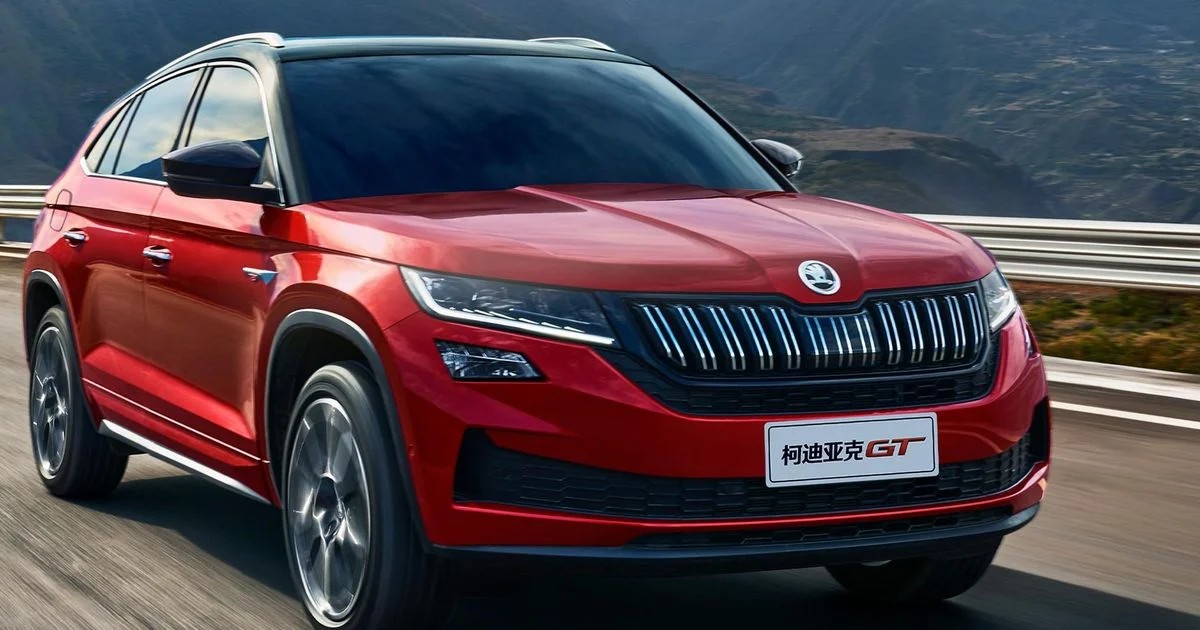
Skoda will withdraw from the Chinese automotive market by mid-2026, marking a dramatic reversal for a brand that once thrived there. Just eight years after reaching its sales peak, the company’s presence in China has become unsustainable as local automakers dominate, particularly in the rapidly growing electric vehicle (EV) segment.
From Market Leader to Near Irrelevance
In 2018, Skoda sold 341,000 vehicles in China, representing 27.2% of its global sales. This made China the company’s single largest market, surpassing even its home base in the Czech Republic and Germany (the home of its parent company, Volkswagen Group). However, a swift shift in consumer preference towards EVs and plug-in hybrids has decimated Skoda’s market share. By 2023, sales plummeted to just 15,000 units, accounting for only 1.4% of the brand’s total global sales.
Strategic Shift to Southeast Asia
Skoda will continue to fulfill existing orders and honor warranties through regional partners until mid-2026, but will no longer pursue new vehicle sales. The company is redirecting its focus to Southeast Asian markets, where it sees greater potential for growth. This decision highlights the increasing difficulty for foreign automakers to compete in China’s fiercely competitive landscape.
The Rise of Local Brands and EV Dominance
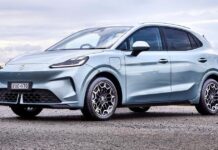
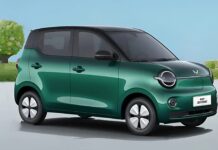
The decline of Skoda mirrors a broader trend in the Chinese auto market. Local brands have gained significant traction by rapidly adopting and innovating in the EV sector, while foreign companies have struggled to keep pace. Unlike its European offerings, Skoda failed to introduce its EV lineup to China, leaving it vulnerable to domestic competition. The company’s once-extensive network of 500 dealerships has dwindled, with many locations either closing or being absorbed into SAIC Volkswagen showrooms as “shop-in-shop” formats.
A Growing List of Exits
Skoda is not alone in retreating from the Chinese market. Mitsubishi, Fiat, DS, and Acura have already exited, while others like Jeep and Land Rover now rely solely on importing vehicles rather than local production. Meanwhile, Volkswagen Group continues to invest heavily in its Volkswagen and Audi brands, aiming to expand their EV offerings through local partnerships.
The shift in Skoda’s strategy is a clear indication of the changing dynamics in the Chinese auto industry. The brand’s exit underscores the challenges faced by foreign automakers in a market dominated by rapidly evolving local competition.