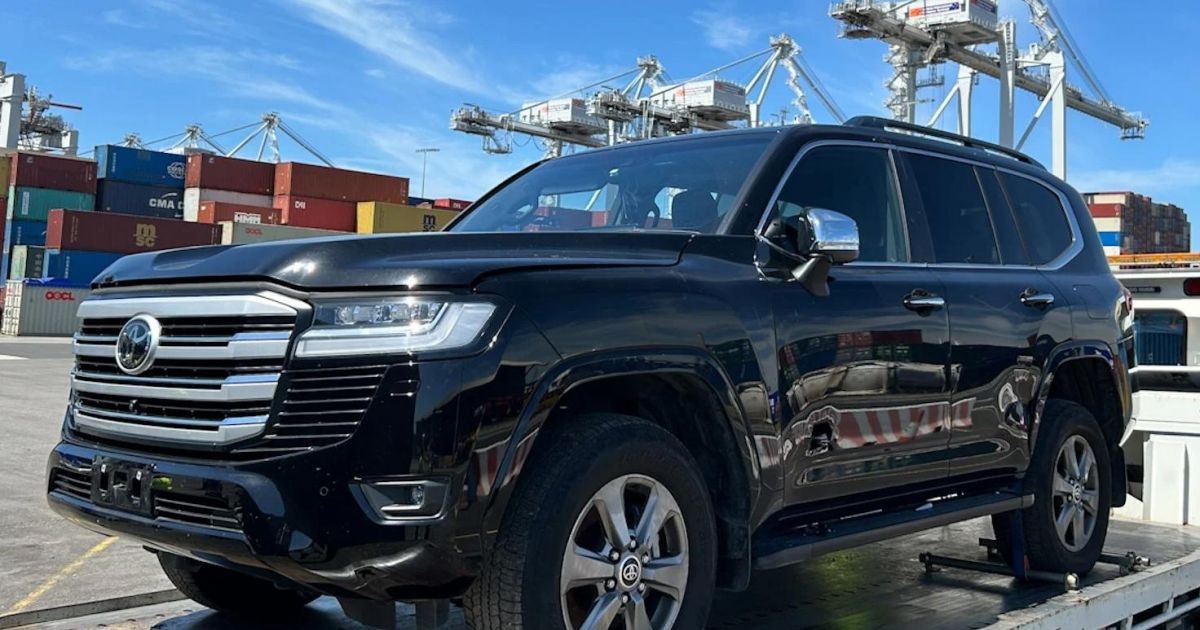
Toyota is responding to a surge in vehicle thefts – particularly of its HiLux, LandCruiser 300, and Prado models – by implementing undisclosed “advanced protective measures” and working with law enforcement to crack down on criminal operations. The company’s moves come as thieves increasingly exploit vehicle vulnerabilities to steal cars for export, primarily to destinations like the United Arab Emirates.
The Problem: Organized Theft and CAN Bus Exploitation
Recent investigations in Queensland and Victoria have uncovered sophisticated car theft syndicates targeting Toyota vehicles. These groups bypass security systems by accessing the CAN bus port, a central communication network within the car, allowing them to disable alarms and tracking devices. Authorities estimate that a single syndicate operating in Brisbane stole 60 vehicles valued at around $8 million in late 2025 alone.
This isn’t random crime; it’s an organized effort. Stolen vehicles are often shipped overseas, making recovery difficult. The ease with which thieves exploit vulnerabilities highlights a broader issue: modern cars, while technologically advanced, can still be compromised with the right tools.
Toyota’s Response: Security Upgrades and Accessories
Toyota has already deployed undisclosed security enhancements to newer models of the HiLux, LandCruiser 300, and Prado. The company refuses to detail these measures publicly to avoid giving thieves a blueprint for circumventing them.
However, these upgrades are not retroactively available for older vehicles. Owners with existing models will not receive over-the-air updates or similar fixes. Toyota is also developing factory-approved immobilizer accessories, but compatibility across all models remains uncertain.
For customers whose vehicles have already been stolen, Toyota plans to prioritize replacement deliveries to reduce wait times. This is a direct response to the growing frustration of owners caught in long queues.
Law Enforcement and Regulatory Calls
Toyota is actively collaborating with police in Queensland and Victoria, sharing intelligence on theft methods and helping to identify the tools criminals use. The company is also advocating for stricter regulation of devices that facilitate vehicle theft, including those used by locksmiths and mechanics.
Recent police raids have resulted in seven arrests and 380 charges, with authorities seizing stolen vehicles hidden in shipping containers in Brisbane and Melbourne.
“We’re committed to continuously improving vehicle security,” Toyota stated in a release, “and working with law enforcement to counter the effectiveness of theft methods.”
The situation underscores the need for proactive security measures in the automotive industry. The rising theft rates are forcing automakers to adapt, and law enforcement to step up enforcement. Toyota’s response is a signal that vehicle security will continue to be a battleground between manufacturers, thieves, and regulators.