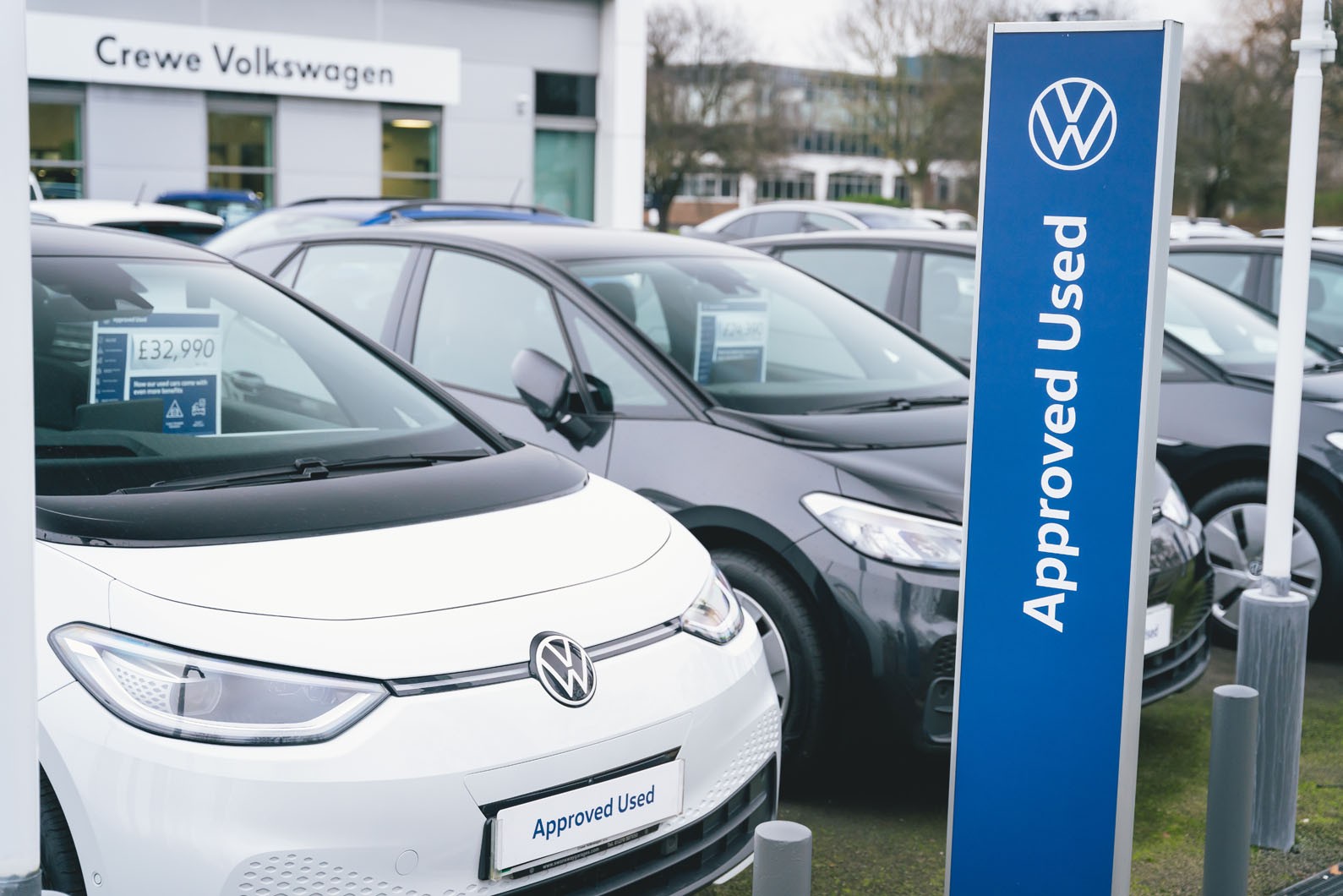
Rapidly rising fuel prices, triggered by geopolitical instability, combined with lower home energy costs are driving a surge in demand for used electric vehicles (EVs) across the UK. Dealers report a significant jump in inquiries and sales, suggesting a shift in consumer behavior driven by economic pressures and changing perceptions of vehicle ownership costs.
Fuel Price Crisis Fuels EV Interest
The wholesale cost of crude oil has jumped over 33% since late February, pushing UK diesel prices up by 40p per liter and petrol by 20p – record monthly increases. This has intensified the financial strain on households already struggling with the cost of living.
This instability is a key driver: Autotrader data shows EV leads increased by 28% for new cars and 15% for used vehicles after prices began climbing. Ian Plummer, Autotrader’s chief customer officer, notes that “conflict is acting as a significant catalyst for EV interest across the UK market”. This underscores how external events can directly affect consumer automotive choices.
The Economics of Switching
Dealers are experiencing the effects firsthand. Browns of Richmond, a used EV dealership in North Yorkshire, reports inquiries doubling and sales up 60%. Owner Fraser Brown described a showroom packed with customers queuing outside, all eager to buy.
The economics are shifting: Brown argues that a three-year-old EV is now cheaper than a comparable internal combustion engine (ICE) vehicle. Lower home energy tariffs, effective April 1st, are making home charging more affordable, and a planned VAT reduction on public charging will further reduce costs. This makes EVs increasingly competitive when factoring in total cost of ownership.
Broader Market Trends Confirm the Shift
Motorpoint, a large used car supermarket group, reported record-breaking EV sales in March. CEO Mark Carpenter emphasizes that used EVs have reached price parity with petrol/diesel equivalents, with some models now cheaper.
Beyond price, the decision-making process is expanding: Carpenter notes that buyers are now considering insurance, road tax, and other costs alongside the upfront price. This broader financial assessment favors EVs in many cases.
Is This a Lasting Change?
While previous spikes in EV interest haven’t always translated into sustained sales, current conditions suggest a more fundamental shift. The Society of Motor Manufacturers and Traders (SMMT) reports that battery-electric cars accounted for just over 23% of new car sales in 2025.
Infrastructure and government support are critical: Pod, a leading EV charging provider, saw home charger inquiries jump 59% in March, driven by changes in charging costs and energy tariffs. CEO Melanie Lane argues that “electrification can actually give households better control and predictability over their energy costs”. If the sector and government continue to invest in infrastructure and support drivers, this trend has the potential to be lasting rather than temporary.
The convergence of rising fuel prices, falling energy costs, and increasing EV availability is creating a tipping point for many consumers. The shift toward electric vehicles is no longer just about environmental concerns; it’s increasingly about economic self-preservation.