The electric vehicle (EV) market’s growth hinges on increasing demand for used EVs, yet a key obstacle remains: consumer uncertainty about battery health. While many potential buyers are hesitant due to fears of rapid degradation, the reality is often far less alarming. Manufacturers and dealerships must proactively address these concerns to unlock the full potential of the used EV market.
The Myth of Rapid Degradation
Many consumers approach used EVs with the same expectations they have for smartphone batteries—expecting significant decline within a few years. However, real-world data suggests that EV batteries degrade much more slowly. Polestar UK boss, Matt Galvin, emphasizes that their vehicles show minimal degradation even after two years of use.
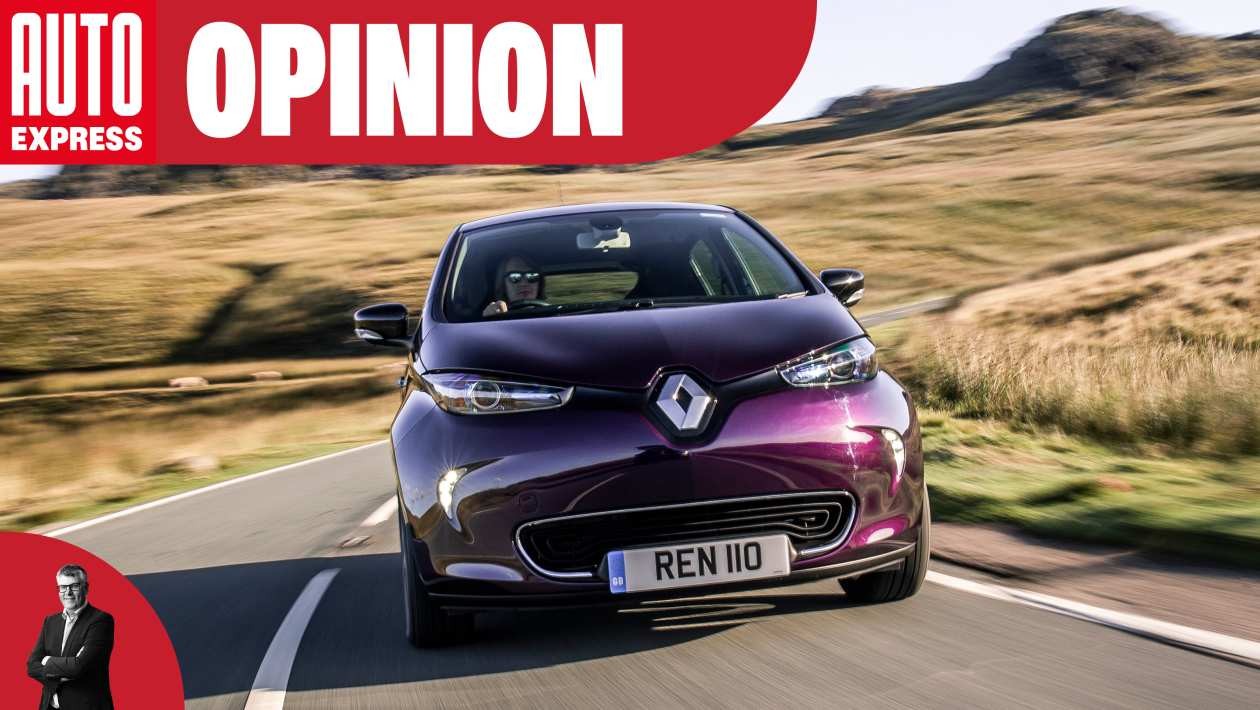
This is supported by examples from dealers like Frosts4cars, which openly displays battery health data. A 2020 Peugeot E-2008 with 57,000 miles was recently listed with 89% of its original battery capacity, while a six-year-old Renault Zoe retained 86%. These figures demonstrate that typical degradation is less than two percentage points per year, well within the limits of most manufacturer warranties (which typically cover 70% capacity after seven years).
Why Transparency Matters
The hesitation around used EVs isn’t about the technology itself; it’s about a lack of clear information. Most dealerships don’t prominently display battery health in their listings, contributing to unwarranted fear among buyers. Transparently showcasing battery capacity is crucial to building confidence and normalizing used EV purchases.
This transparency isn’t just beneficial for buyers; it also unlocks a growing market segment. Used EVs currently offer significant value due to lower demand, but this won’t change unless consumers are assured of long-term reliability.
The Path Forward
To accelerate the adoption of used EVs, manufacturers and dealers need to prioritize battery health checks and make that information readily accessible to buyers. Clear, upfront data will dispel myths, alleviate concerns, and ultimately drive sales.
The current market undervalues used EVs because of unfounded anxieties. Providing factual data and normalizing battery health checks will not only build trust but also unlock a significant opportunity within the expanding EV landscape.