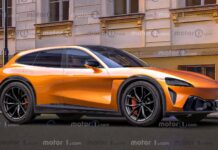
Volkswagen is actively testing a fully autonomous taxi, the Gen.Urban, on public roads in its hometown of Wolfsburg, Germany. The project directly competes with Tesla’s ongoing development of its own driverless ride-hailing service, dubbed the Cybercab.
No Steering Wheel, No Pedals: The Future of Urban Mobility
Unlike traditional vehicles, the Gen.Urban is designed without a steering wheel or pedals. Current tests involve a 10km (6.2 mile) route lasting 20 minutes, mirroring the scale of autonomous vehicle trials conducted by Nissan in the UK. A trained safety driver remains onboard, ready to intervene via a joystick if necessary.
The core aim isn’t just technological advancement, but understanding human reaction to a driverless experience. Volkswagen’s research focuses on how passengers adapt to the absence of conventional driving controls. Dr. Nikolai Ardey, Head of Volkswagen Group Innovation, emphasizes the importance of building trust through intuitive interfaces and responsive assistance systems.
Passenger Experience: Customization and Comfort
Inside the Gen.Urban, passengers can adjust climate, lighting, and seat positioning via an adaptive dashboard screen. Volkswagen aims to create a comfortable, personalized environment that encourages confidence in autonomous technology. This approach aligns with broader industry trends toward seamless, user-centric transportation.
Levels of Autonomy: Where Volkswagen Stands
Volkswagen already offers ‘Level 2’ autonomous features in many of its vehicles, including adaptive cruise control and lane-keeping assist. The Gen.Urban represents a step towards ‘Level 3’ autonomy, where the vehicle handles driving tasks independently, but the driver must be prepared to take over if needed. The Gen.Urban goes further by removing the driver altogether – a critical leap toward fully autonomous ride-hailing services.
Volkswagen’s Gen.Urban project signals a growing commitment to fully autonomous urban transportation, positioning the company as a key player in the future of ride-hailing alongside Tesla and other industry leaders. The focus on passenger experience and safety suggests a deliberate effort to overcome public skepticism surrounding driverless vehicles.