Xiaomi has secured its first legal victory in a series of lawsuits concerning the optional carbon-fibre hood for its SU7 Ultra electric vehicle. A court in Changsha, China, dismissed claims of fraud and breach of contract filed against the company’s authorised dealer on February 12, 2026, marking a significant development in the ongoing dispute.
The Core of the Dispute
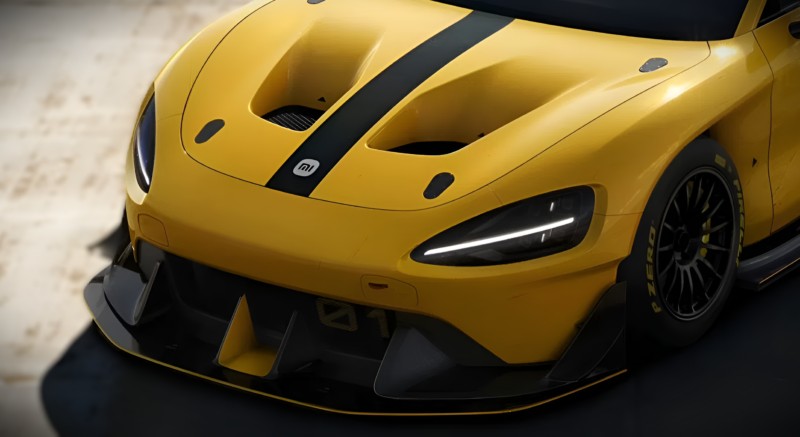
The case revolves around a 42,000 yuan (approximately $5,810 USD) optional upgrade for the SU7 Ultra, marketed with claims of enhanced aerodynamic performance and cooling capabilities. Customers allege that the production hood does not match initial marketing materials, which suggested a more advanced “dual-duct” design mirroring an earlier prototype. Independent testing has shown minimal airflow through the hood’s vents, leading to accusations of false advertising.
Court’s Reasoning
The court sided with Xiaomi, arguing that the marketing language – specifically terms like “high-efficiency airflow” – did not demonstrably contradict the hood’s actual function of “partial airflow discharge.” Crucially, the court found no evidence of deliberate deception in Xiaomi’s public statements about internal structural modifications. The plaintiff’s request for a double refund of a 10,000 yuan deposit was denied, though the purchase agreement was dissolved with shared court costs.
Conflicting Legal Outcomes
This ruling contrasts with a prior decision in Suzhou in October 2025, where a court found in favour of a plaintiff and ordered Xiaomi to pay 156,000 yuan ($21,547 USD). Pending cases in Nanjing and Suzhou remain unresolved; Xiaomi has submitted extensive technical documentation – reportedly 84 pages long – to defend the component’s performance. This divergence highlights a lack of consistent legal interpretation across different jurisdictions in China.
Sales Decline and Broader Implications
The legal victory arrives at a time when demand for the SU7 Ultra is plummeting. Monthly sales fell by 98.5% between their peak and January 2026, dropping to just 45 units. Despite this severe drop, Xiaomi EV’s overall insurance registrations rose by 15% from December to January, reaching 22,100 units. This suggests that the broader Xiaomi EV brand remains relatively resilient, even as the flagship SU7 Ultra struggles. The Changsha ruling sets a legal precedent as Xiaomi confronts over 100 similar lawsuits nationwide regarding its high-end accessory specifications.
This case underscores the challenges of balancing ambitious marketing with verifiable product performance in the competitive EV market, particularly when consumer trust is at stake. The conflicting rulings suggest that future legal outcomes may depend heavily on local court interpretations and the strength of Xiaomi’s technical defenses.