GWM isn’t just here for the EV bandwagon. They’re doubling down on everything.
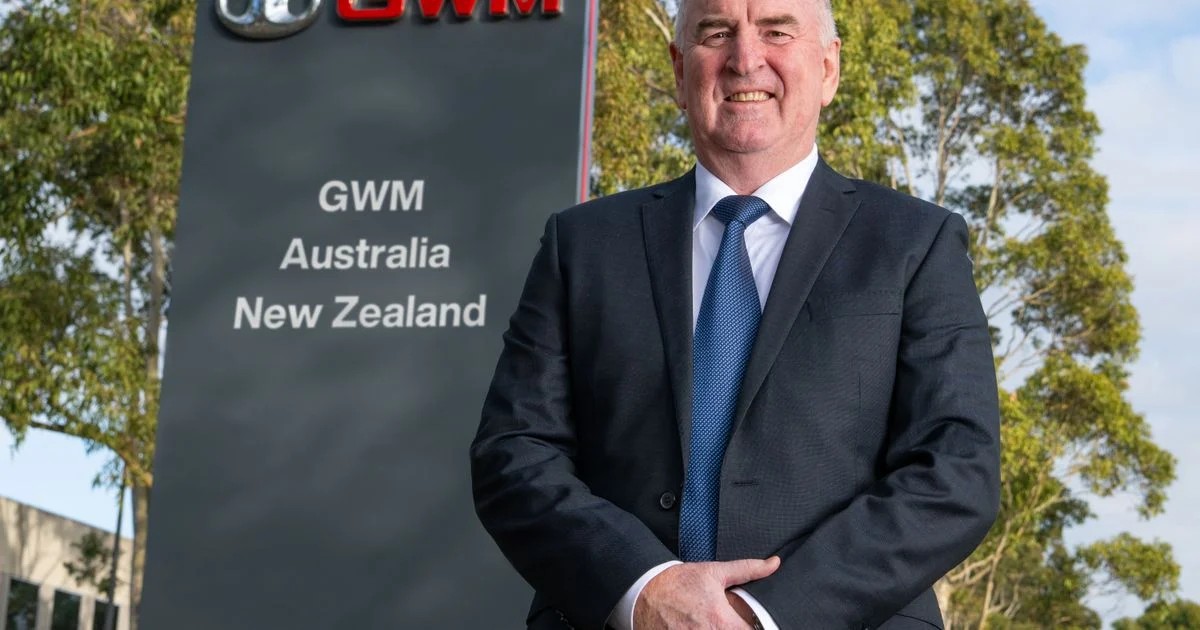
For a brand that was practically invisible ten years ago, the growth trajectory of Great Wall Motor (GWM) in Australia and New Zealand has been steep. Too steep for some to process without hitting the brakes on perception. John Kett, the chief operating officer for the region, knows this. He also knows that the “cheap Chinese car” stigma is dead. The real challenge now? Explaining who you actually are when your name changes depending on whether you’re looking at an SUV or an electric city runabout.
Why GWM rejects the pure-EV narrative
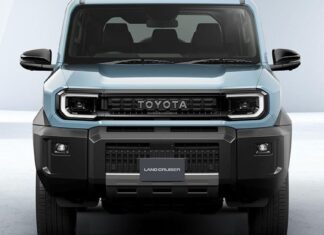
Let’s get the misconceptions out of the way first. If you walk into a dealer asking for “that new electric thing,” they’ll say Ora. Ask for the family hauler, it’s Haval. Want a truck that looks like a tank? Cannon or Tank. And later this year, add Wey to the mental filing cabinet.
Kett admits the branding puzzle is real.
“It’s understandable that some customers are still working out how everything fits together.”
This isn’t accidental confusion. It’s strategic coverage. While other manufacturers are rushing to kill their combustion engines to appease regulators or green PR firms, GWM is playing the long game. They want to be top five in every single powertrain category. Petrol? Check. Diesel? Check. Hybrids, PHEVs, EVs? Check.
Why? Because forcing a remote farmer into a plug-in hybrid makes no sense. Nor does giving a suburban dad towing capacity he doesn’t need if a lighter option suffices. GWM’s strategy is blunt: give people exactly what they want, not what an engineer thinks they should want.
The secret to better Australian road feel? Local engineering that matters
There was a time when GWM had its Lang Lang proving ground. Sold. Gone. Now? They’re moving into a new technical centre in Melbourne.
It’s not just about having a garage. It’s about sovereignty. For years, tweaking ride and handling for local conditions was an afterthought—a tweak here, a software update there. Now, Australian and New Zealand requirements are fed directly into the development process before production.
Kett’s point is simple: right-hand drive vehicles with unique steering and suspension dynamics shouldn’t be an afterthought in China.
The new hub does more than tune suspension. It’s a training academy. They’re building curriculums to turn service technicians into master technicians. Four Chinese engineers are embedded locally, working side-by-side with the Aussie team. The result? Faster fixes, better communication, and fewer PDF manuals.
Yes, we’re finally moving past the PDF era. Diagnostic tools are sharper. Integration is smoother. It sounds boring. It shouldn’t. For a service manager trying to get a customer back on the road, boring is the new exciting.
The diesel die-hards and the upcoming V8 return
Here’s where the chips fall. Diesel is dead. Long live the electric. That’s the chatter online. GWM disagrees.
Kett points to body-on-frame vehicles. Utes. Large SUVs. The Tank 500. The Cannon Alpha. These machines do jobs where electric range anxiety isn’t a buzzword—it’s a breakdown. Towing heavy loads? Trawling through remote outback terrain? Diesel still makes mathematical sense.
They aren’t stopping at old tech, though. Expect new 3.0-litre diesels. Expect them to be paired with hybrids soon. GWM is even teasing plug-in hybrid diesel systems down the track.
Then there’s the elephant in the room. Or rather, the beast in the chassis.
A V8 engine is coming to Australia. Next year.
Not maybe. Definitely.
Kett won’t say which car gets it first—though Tank models are the obvious bet. He won’t announce grades. But the existence of the V8 isn’t in question. How? By using the emissions budget generated by their plug-in hybrids and EVs. It’s a balancing act, sure, but a legal one. Pre-orders will likely open once the dust settles on which model takes the badge.
Why bother? Because choice isn’t dead yet. If the regulations allow for it, GWM will push it. They see it as closing the gap for buyers who love the sound and power but hate the compromise of electrification alone.
The real headache for dealers isn’t competitors
Ask most auto executives about industry trends. They’ll talk supply chains, geopolitics, silicon chips. Ask Kett what keeps him up at night. He talks about paperwork.
The cost of doing business is spiraling. Compliance. Taxes. The invisible administrative weight pressing on the dealer network.
GWM’s dealers are mostly entrepreneurial businesses, not massive corporate giants. They’re getting more efficient. They’re optimizing operations. But they’re running faster just to stay still because regulatory costs are rising faster than profit margins can cover them.
“The priority should be reducing red tape.”
This is a plea for deregulation in a sea of compliance. Kett wants governments in Australia and New Zealand to stop adding friction and start supporting the smaller businesses that actually keep communities running.
It’s a surprisingly human take from a CEO. Not about market share. Not about EV targets. Just keeping the lights on for the guys signing the loan documents.
What’s next for GWM? Chaos, choice, and speed
The automotive industry is fracturing. Legacy brands are shrinking. Chinese brands are surging by filling the voids left by hesitation. Kett watches this with genuine interest, taking his “GWM hat off” for a second. He’s excited by the innovation that usually comes from chaos. Someone will disrupt the disruptors. It happens every time.
For GWM specifically? The next year is about scale. By late next year, they’ll likely have one of the widest portfolios in the market. Every body type. Every powertrain.
No one is forcing you to buy an EV. No one is shaming you for keeping your diesel. The choice is yours.
Is this sustainable long term? Maybe. Maybe not. The regulations might change again. The emissions budgets might tighten until only zero-emission zones exist. But right now, in the messy transition period of the 2020s, GWM is betting that people value variety over virtue signaling.
They’re betting that a dad in Perth, a tradesperson in Auckland, and a young professional in Melbourne have different needs. And that they shouldn’t be penalized for them.
If you want a V8, it’s coming. If you want an electric, it’s there. If you want a hybrid that saves you money on diesel runs, they have that too.
It’s not a clean package. It’s complicated. It’s messy.
But it’s working.