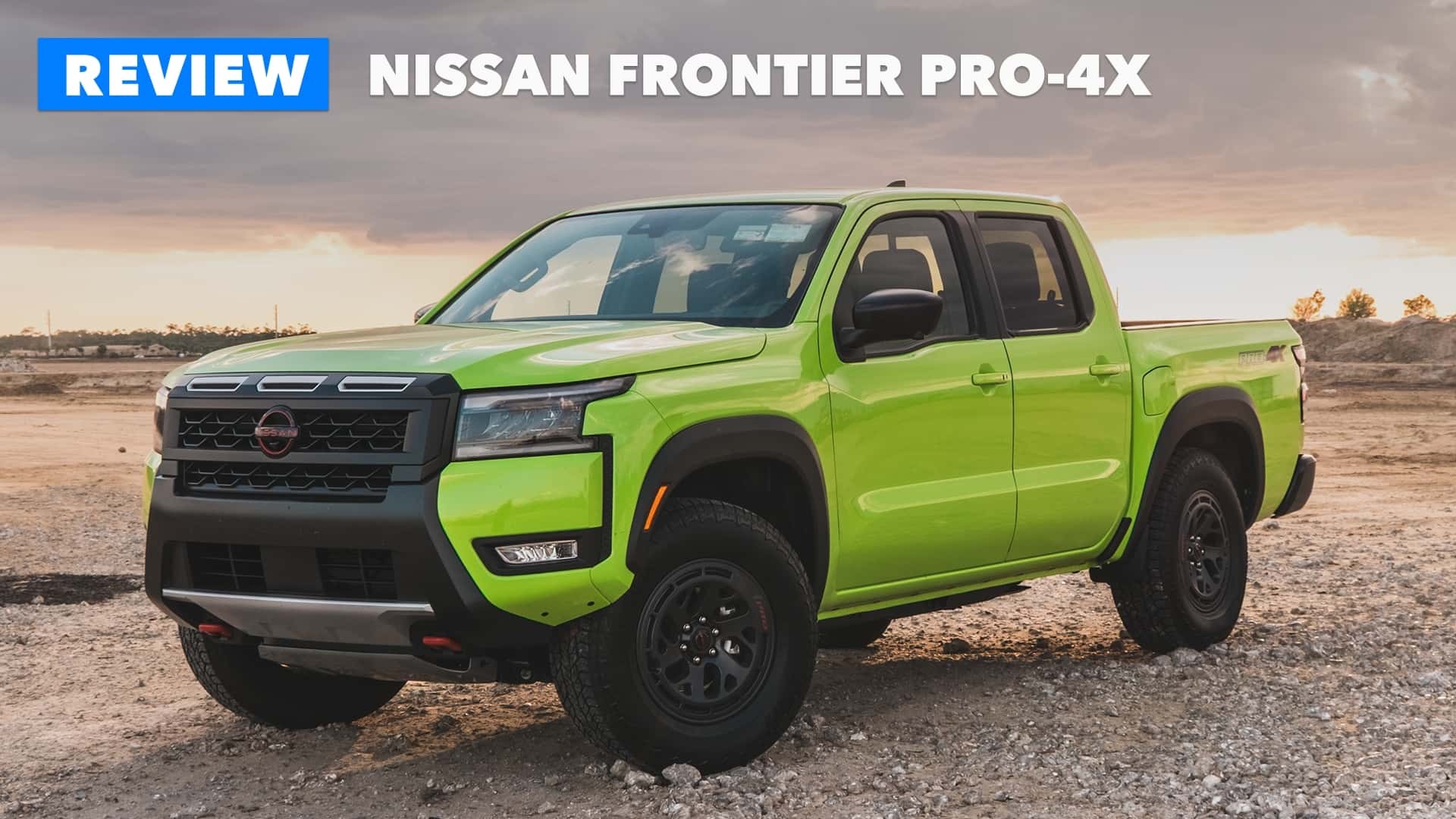
In an automotive landscape rapidly shifting toward turbocharged four-cylinders and electrified powertrains, the 2025 Nissan Frontier Pro-4X stands as a deliberate anomaly. While competitors chase efficiency and digital integration, Nissan has opted to refine what it already has rather than reinvent the wheel. For the 2026 model year, the Frontier remains fundamentally unchanged under the skin, offering a no-nonsense, analog driving experience that appeals to traditionalists who value mechanical simplicity over complex technology.
This approach is not merely nostalgic; it is a strategic positioning. By retaining a naturally aspirated V6 and a robust body-on-frame architecture, Nissan targets buyers who prioritize reliability and straightforward maintenance over peak performance metrics or cutting-edge tech features. The result is a truck that feels familiar, rugged, and surprisingly livable, particularly in the Pro-4X trim.
Powertrain: The Case for the V6
At the heart of the Frontier is the 3.8-liter V6 engine, a unit that has powered this generation of trucks since its debut four years ago. It produces 310 horsepower and 281 pound-feet of torque, paired with a nine-speed automatic transmission.
While these numbers are respectable, they lack the instant grunt provided by modern turbocharged engines. Without electric assist or forced induction, torque peaks at 4,400 rpm, requiring drivers to apply generous throttle pressure for highway merging. The engine’s character is distinct: it can drone at high speeds and lacks the eager response of its rivals. However, this simplicity offers a trade-off. The nine-speed transmission shifts seamlessly, often going unnoticed, and the natural aspiration of the engine avoids the complexity and potential maintenance costs associated with turbos and hybrid systems.
Key Performance Metrics:
* Engine: 3.8-liter V6
* Horsepower: 310 hp
* Torque: 281 lb-ft
* Towing Capacity: Up to 7,150 lbs (6,680 lbs for Pro-4X trim)
Despite not being the torqueiest option in its class, the Frontier’s towing capacity remains competitive, surpassing some four-cylinder rivals. This demonstrates that “old school” does not necessarily mean “weak” when it comes to utility.
Ride and Handling: Refined Roughness
The standard Frontier has historically been criticized for a firm, unremarkable ride. The Pro-4X trim addresses this with significant hardware upgrades, transforming the truck’s daily drivability. Key additions include:
- Bilstein Dampers: Retuned suspension components that significantly improve ride comfort.
- Strengthened Mounting Points: Enhancing durability for off-road use.
- Knobby Hankook Tires: Standard on the Pro-4X, providing grip without sacrificing too much pavement manners.
Even with aggressive off-road tires, the Pro-4X offers a much more civilized ride than the base model. It absorbs bumps with grace rather than crashing down, providing clear feedback to the driver without inducing fatigue. While the hydraulic steering remains heavy and lacks a variable-ratio rack—resulting in a wide turning radius that makes U-turns challenging—the suspension effectively minimizes body roll.
Note: The Pro-4X is positioned as a mid-tier off-roader. It does not compete directly with specialized performance trucks like the Ford Raptor or Toyota TRD Pro. Instead, it aligns more closely with the Toyota TRD Off-Road or Ford Tremor trims, offering a balance of capability and price.
Design and Technology: Analog Charm in a Digital World
For the 2025 model year, Nissan introduced subtle visual updates, including new wheel options and the striking “Citrus Strike” paint job. This bright hue pairs with the Pro-4X’s standard Lava Red exterior accents, creating a bold aesthetic that stands out in a sea of conservative truck colors.
Inside, the Frontier leans into its analog roots. The instrument cluster features traditional gauges, a feature that may appeal to drivers fatigued by screen saturation. However, the cabin is not entirely devoid of modern convenience. The tested model featured a 12.3-inch infotainment screen, which, despite outdated graphics, functions reliably. Standard connectivity includes:
- Wireless Apple CarPlay and Android Auto
- Bluetooth connectivity
- Satellite radio
- Wi-Fi hotspot capability
While the interface lags behind the sleek, responsive systems found in newer competitors, the functionality is sufficient for most users. The inclusion of wireless smartphone integration is a critical modern standard that Nissan has wisely retained.
Value and Positioning
The 2025 Nissan Frontier Pro-4X starts at $43,615. The specific model tested, equipped with the Premium package ($3,080) and Pro Convenience package ($1,640), came to $48,735. These packages add leather seats, a Fender premium audio system, a trailer hitch harness, a spray-on bedliner, and heated exterior mirrors.
When compared to direct competitors like the Chevrolet Colorado, Ford Ranger, and Toyota Tacoma, the Frontier offers a distinct value proposition. It provides a long-bed option on the Pro-4X trim—a rarity among competitors that often limit off-road trims to short beds. This flexibility appeals to buyers who need both utility and adventure capability.
Conclusion
The Nissan Frontier Pro-4X is not attempting to be the fastest, most technologically advanced, or most extreme off-roader in its class. Instead, it succeeds by being a competent, reliable, and characterful pickup that embraces its analog heritage. For drivers who prioritize a simple mechanical experience, a comfortable ride, and versatile bed configurations over turbocharged power or digital gimmicks, the Frontier remains a compelling and charming choice in a rapidly changing market.