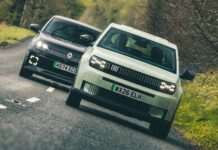
The Corsa sells more copies than anything else in the UK supermini class. No shocker there.
But here is the twist.
It is dropping the petrol engine entirely. Vauxhall’s parent company Stellantis dropped this detail at their recent Investor Day, signaling a hard pivot toward an electric-only future for the brand’s bestseller. Launching in 2028, this new machine runs on something called ‘STLA One’. It sounds tech-bro. It might actually work.
What is this STLA One stuff?
It is a modular platform. Think of it as the skeleton for over 30 new Stellantis models aiming for two million sales by 2030s.
The current Corsa was a rushed project, cobbled together while corporate gears shifted. The new one had time.
STLA One turns the car into a ‘software-defined vehicle’. Every electronic system talks through a single brain. The STLA Brain, specifically. It reduces wiring mess, cuts costs, and allows for complex features that feel native to the hardware rather than bolted on.
Peugeot leads the tech here, obviously. They are introducing steer-by-wire first on the E-208, derived from that wild Polygon concept. Imagine controlling the steering wheel with wires alone. No mechanical link. It frees up packaging space in a tiny car. The Corsa should get this trick too.
Then there is the SmartCockpit. AI-native software that handles voice commands and infotainment. Different brands will have different faces for it, but the underlying logic is identical.
No petrol allowed (mostly)
The platform could support hybrids.
Vauxhall doesn’t want to hear about it. The 2028 Corsa will be pure electric. Expect battery sizes to hover near the current 54kWh capacity, though efficiency gains should stretch the range further.
They are using ‘cell-to-body’ tech. This means the battery integrates directly into the chassis structure, lowering weight and manufacturing costs. Leapmotor is already doing it with the B10. Now the Corsa does it.
Power comes from a single front motor. Forget the dual-motor monster battery from the Gran Turismo concept unless you live in a video game. The real GSE version will be sharper, yes, but grounded in reality, sharing DNA with the hot-hatch version of the next Peugeot 208.
“We see virtually nobody going back once you drive a BEV.” — Florian Huettl
He’s right about the tech. But sales didn’t hit their early targets, slowing down the transition slightly. Vauxhall backpedaled a bit on going EV-only immediately. But for the Corsa? The commitment seems firm.
Florian Huettl admitted they might keep selling the internal combustion version alongside the new EV if consumer demand doesn’t shift fast enough by 2028. That would be a strange sight.
Price war imminent
Here is the part that actually matters to your wallet.
The price point. Huettl pegged the starting cost around 25,00 euros. That’s roughly sub-£25k. He argues this is the price where electric cars finally match the cost of their petrol rivals.
If true, this puts a target on the backs of several competitors. It undercuts the current Corsa Electric in the UK. It challenges the Renault 5 head on. It faces the new Peugeot e-208.
The market has changed since the Corsa-e arrived in 20019. The EVs aren’t just the only game in town anymore, but the choices are exploding.
What does it look like?
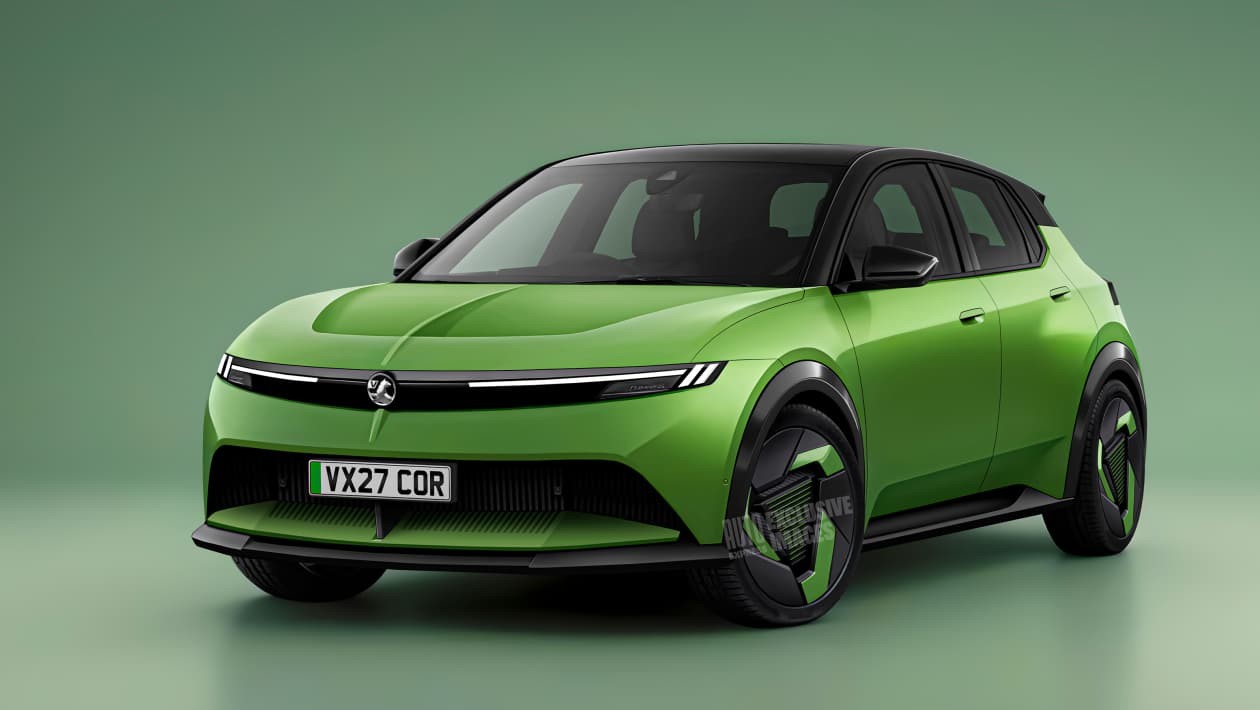
It isn’t just a battery wrapped in plastic. Vauxhall’s design boss, Mark Adams, promises a link between the radical Corsa GSE Vision concept shown in Munich and the real 2028 model.
Forget the bulging arches on the concept. Strip that away, and the core DNA remains. The Vauxhall “Vizor” front end gets cleaner. Slimmer. They removed the chrome rim clutter. Lights sit at the center, using compact LEDs rather than surrounding the panel. It references the “Compass” lighting signature found in their other recent models.
The roof? Contrasting color. No silver or black trim strip separating it from the bodywork this time. It transitions organically along the C-pillar.
It is four doors in real life, not the two on the concept car.
The back is simplified compared to the glass-heavy prototype, opting for a traditional tailgate shape. But the full-width lighting strip stays, as does an aggressive, geometric rear bumper. They hope to bring the triangular rear wing into production too. It gives it a subtle nod to the GT spirit.
Too many choices for 2028
Wait until 2028 and the supermini segment will be absolutely crowded.
Volkswagen brings the electric ID. Polo to the party. Skoda adds its Epiq. Cupra throws the Raval into the ring first. Peugeot has its e-208 sibling right beside the Corsa. Hyundai and Kia have plans too.
Is the competition fierce? Yes.
Does Vauxhall care? Probably not. For the first time in a very long while, they seem ready to actually lead this segment. Not follow it.
Whether people are ready to stop buying petrol cars is still a question. Huettl insists no one goes back.
I wonder if the price alone will force that habit.
We’ll have to wait until 2028 to find out.
Until then, the petrol Corsa keeps limping along, while the future waits in a factory.