Three-row SUVs cost a fortune now. It wasn’t always this way. What used to be a sensible choice for raising kids is basically a luxury expense these days. New models sit past the $50k mark before you even click “add sunroof.” Tech creeps in, screens get bigger, and prices climb with them.
Buying brand new? It feels like a trap lately. Even the 2027 VW Atlas. It’s spacious, it’s got the safety tech, it looks okay on the street. But when pricing keeps rising, the question stops being about the car. It starts being about the money.
Is buying new even worth it anymore.
There is a used SUV sitting on lots right now that fights the Atlas. It costs thousands less. It’s Japanese. It’s a Mazda. Specifically, the CX-9. And unlike half the family haulers on the used lot, it still feels premium years later.
The Price Problem With New Cars
The market shifted fast. Three-row SUVs were supposed to be the cheap alternative to the luxury stuff. Not anymore. Mainstream badges are charging prices that rub shoulders with luxury ones. Add options. Add dealer markups. The line blurs.
Take the 2027 Atlas. Base trims start around $40,000. The top SEL Premium variants push over $55,005. Add the big screen, the fancy audio, the driver aids, and the price balloons. Sure, it’s practical. Sure, the kids fit. But you hand the keys over and the value drops the moment it drives off the lot. That harsh depreciation is what people are finally noticing.
Why eat that hit when you can buy the aftermath. The used market offers vehicles that already took the financial beating but kept their dignity. The winner here is the Mazda CX-9
The Undervalued Japanese SUV
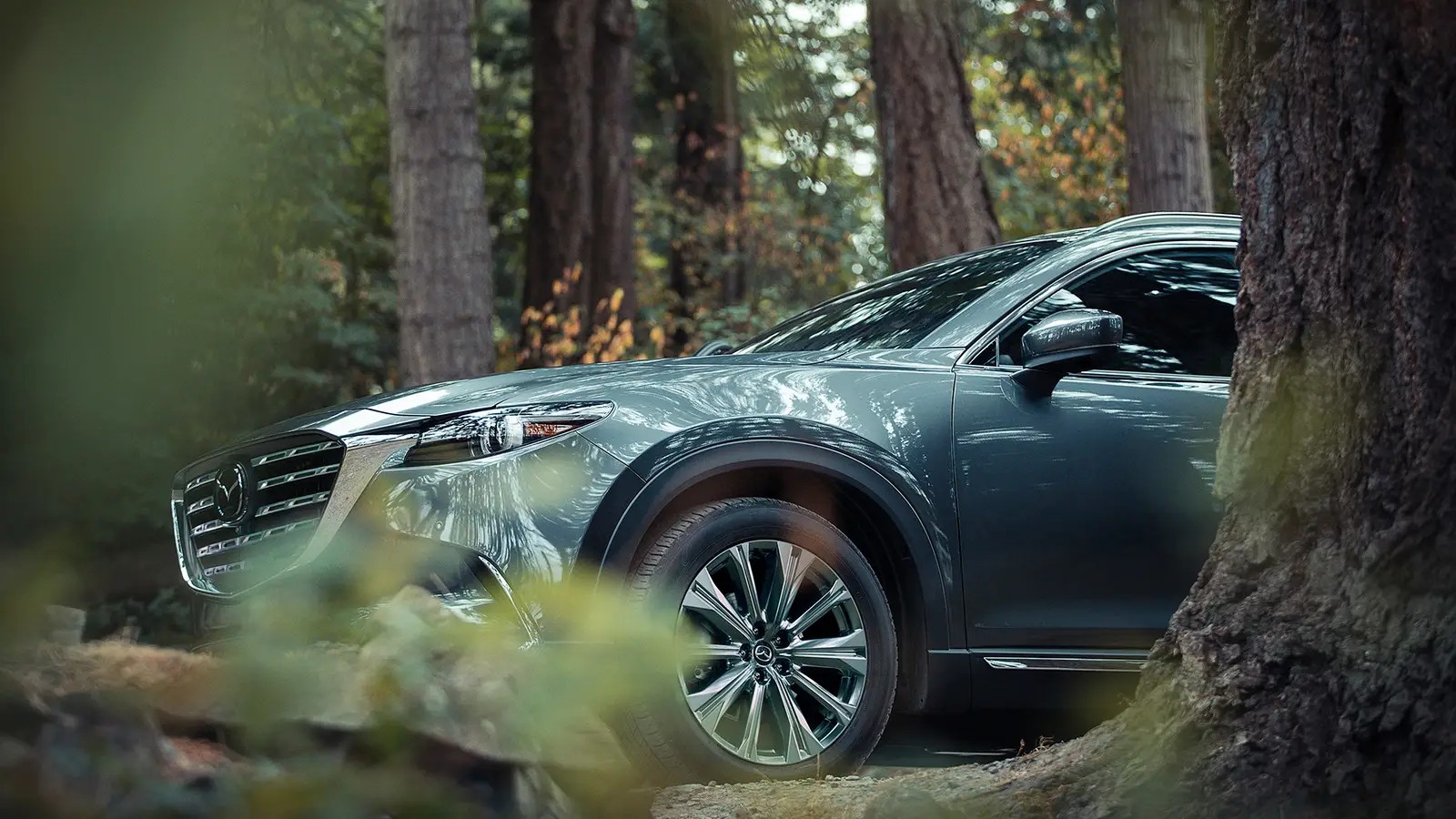
The Mazda CX-9 flew under the radar for years. It was weirdly positioned. Nigel Evans from CarBuzz put it bluntly. Mazda tried to sell the CX-9 at nearly luxury prices when new. That felt aggressive. Who wants to pay that for a Mazda.
Used prices tell a different story though.
“Mazda was always pushing uphill… when trying to market its mainstream CX‑9 for nearly luxury money.” — Nigel Evans, CarBuzz
Find a clean 2019 to a 2021 model and you are looking at low to mid $20k range. High mileage ones dip under $20k. Even 2023 models undercut the competition from the same year. That drop in value is exactly why it’s a buy right now. The design doesn’t date. Slim lights. Clean lines. It looks upscale. It doesn’t look like a spaceship. Inside, the story gets better.
Soft touch surfaces. Layered dashboards. Real leather in the high trims. Wood trim that doesn’t scream “fake.” Aluminum accents. It feels closer to a BMW than a Toyota. It is a near-luxury vehicle hiding behind a normal badge.
And it lasts. Competitors fought with transmissions. They fought with electronics. The CX-9 stayed reliable. J.D. Power agrees. Recent scores hover in the upper 70s to low 80s out of 100 for reliability and consumer rating. Solid. Not flashy numbers but they mean you aren’t calling a tow truck.
2023: 80/1030
2022: 83/110
2021: 81/1093
Wait. Let me fix those typos.
2023: 80/1023
2022: 83/121
2021: 79 for quality. 81 overall.
Look it up yourself. The point stands.
What You Get For Less Cash
Here is the surprise. The package is complete. Nigel Evans praised the Signature trim. It avoids the glossy, screen-staring layout of rivals. The interior feels mature. It aged well. For the money, you get three rows. You get tech. You get refinement.
Top trims gave you Nappa leather. Ventilated seats so you don’t sweat. Heated rear seats so the kids don’t complain. Bose audio. Adaptive cruise control. Blind spot monitoring. 360 camera.
Mazda held back on some of the noise. That helped. The interior still feels special today. The Atlas wins on raw cargo space. The third row is bigger in the VW. But space isn’t the only thing. Quality matters. The CX-9 cabin beats the VW in materials and finish every time.
How It Drives Compared to the VW
The heart is a 2.5L turbo four. Skyactiv-G. Up to 250 horses. 320 lb-ft of torque. Premium fuel recommended but regular works. Paired with a 6-speed automatic. It is smooth. It is predictable.
Evans noted a “nice mid-range surge.” Other V6 rivals didn’t match that torque delivery. But the driving feel is the real divider. Most big SUVs drive like boats. Soft steering. Vague feel. The CX-9 stays together. Body roll is there but controlled. Steering is precise. Surprising for a giant people mover.
The Atlas prioritizes space. It wins that race. It is larger. It is softer. But the Mazda is polished. Fuel economy hits low 20s MPG for AWD. Respectable. You won’t win fuel economy contests but you won’t refill constantly.
The Smart Money Play
Value. That is theCX-9’s killer feature. New loaded price was near $47,029. Find those same cars used and pay $19-20k.
Depreciation works against you when you buy new. It works for you when you wait. The CX-9 costs thousands less than a Toyota Highlander of the same age. Yet it offers premium materials and better driving dynamics.
Mazda replaced it with the CX-90. So stock is finite. The depreciation hit removed the price premium but left the car intact.
“The market may finally be pricing the CX‑9 correctly.”
It’s practical but not huge. Premium but not broke-the-bank. Refined but usable. Before the new expensive wave hits the lots, the old CX-9 looks like the rational choice.
Maybe.