


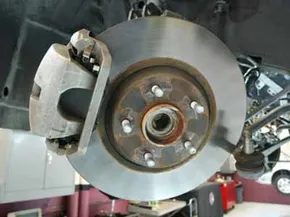
If your brakes squeal or rattle, the culprit is often geometry, not failure. Brake shims are thin layers of rubber or metal positioned between the brake pads and rotors. They correct small imperfections that create noise. Think of them like cabinetry shims. If the floor in an old house is slightly crooked, an installer adds thin wooden wedges to level the cabinets. Brake shims do the exact same job for your stopping power.
For many new vehicles with fresh parts, shims act as anti-rattle pads. They prevent the pad and rotor from banging or squealing against each other. Installation varies by kit. Some come with shims pre-attached to the pads. Others include separate shims with adhesive backings that you stick to the back of the pad. A third category requires you to buy shims separately and secure them with double-sided tape.
Either way, they are straightforward to install. And they make a tangible difference in how the brake components interact. Most stock shims are rubber. But you can upgrade to titanium brake shims.


The temperature spike is the real enemy here. Rubber shims don’t stand a chance against the heat generated when you slam the brakes after a long straight. The friction turns the assembly into a furnace.
That heat doesn’t stay contained. It transfers to the hydraulic fluid. When that fluid boils, the stopping power plummets. You lose pressure. You lose control. Titanium shims act as thermal insulators, blocking that heat transfer before it reaches the fluid reservoir.
Manufacturers typically use a titanium alloy rather than pure titanium to keep production costs manageable.
How Titanium Shims Differ From Rubber
Rubber shims are usually attached with double-sided tape. Simple. Effective for noise dampening. Not built for extreme heat.
Titanium shims are a different animal. They usually feature mounting holes at the top and thread directly onto the caliper pins. They still sit between the pad and the caliper, but their job is thermal protection, not vibration control.
The payoff is longevity. Cooler components mean less thermal decay over time. You also cycle through brake fluid changes less frequently because the fluid isn’t constantly cooking itself.
Why This Matters for Motorcycles
Two wheels change the equation. On a car, you have redundancy. On a motorcycle, you don’t. One wheel is all you have to slow down.
Can a shim make a difference in safety? Absolutely. When you’re trail braking into a corner, the rear brake is working hard. If the heat boils the fluid, you’re left with a spongy lever right when you need it most.
Titanium shims keep that system cool. They preserve the hydraulic integrity of the brake line. For a rider leaning into a turn, that consistency is the difference between a controlled exit and a high-side.

Fixing wheel trueness with motorcycle brake shims
Think of a motorcycle brake shim as a tiny mechanical correction. If your wheel isn’t perfectly true, the pad might not sit flush against the rotor. Sliding a shim between the caliper bracket and the rotor solves that. It centers the assembly so the contact points line up exactly.
You don’t need titanium hardware on a street bike. The thermal load on a standard motorcycle is nowhere near racecar levels. That’s why you’ll mostly find stick-on rubber shims on the shelf. These aren’t just spacers. They dampen vibration and cut down on brake noise. The result is a noticeably smoother ride.
They also keep the pistons from overheating. Excess heat cooks the fluid and degrades the piston seals. By insulating the hardware, the shim protects those components and keeps your stopping power consistent.
Maximizing contact patch for better stopping power
More surface area means more friction. A shim ensures the entire friction material on the brake pad actually touches the rotor. If the caliper is off-center, you lose edge contact. That means less stopping power.
This alignment aid prevents uneven wear. When pads make full contact, they wear evenly. No hot spots. No premature replacement. It’s a small part that directly impacts safety and longevity.
Is it a complex piece of engineering? No. But ignoring it is a mistake. It gives you better braking performance, a quieter ride, and longer component life. Your bike stops better, and you feel less fatigued after a long day in the saddle.


